Seattle Native Grass Replanting for Sustainable Yards
If you’re a homeowner in Seattle, you might be feeling the pressure when it comes to maintaining a beautiful, sustainable yard. With the unique climate and soil conditions here, traditional lawns can often be a hassle—requiring constant watering, mowing, and pest control. Enter native grass replanting. This eco-friendly solution not only enhances curb appeal but also reduces maintenance and promotes local wildlife. In this article, we’ll cover everything you need to know about replanting native grasses, including the step-by-step process, costs, maintenance tips, and more.
Description
What the Service Includes
Replanting native grasses involves several tasks:
- Site Preparation: Clearing existing grass and weeds.
- Soil Assessment and Improvement: Testing and amending the soil as necessary.
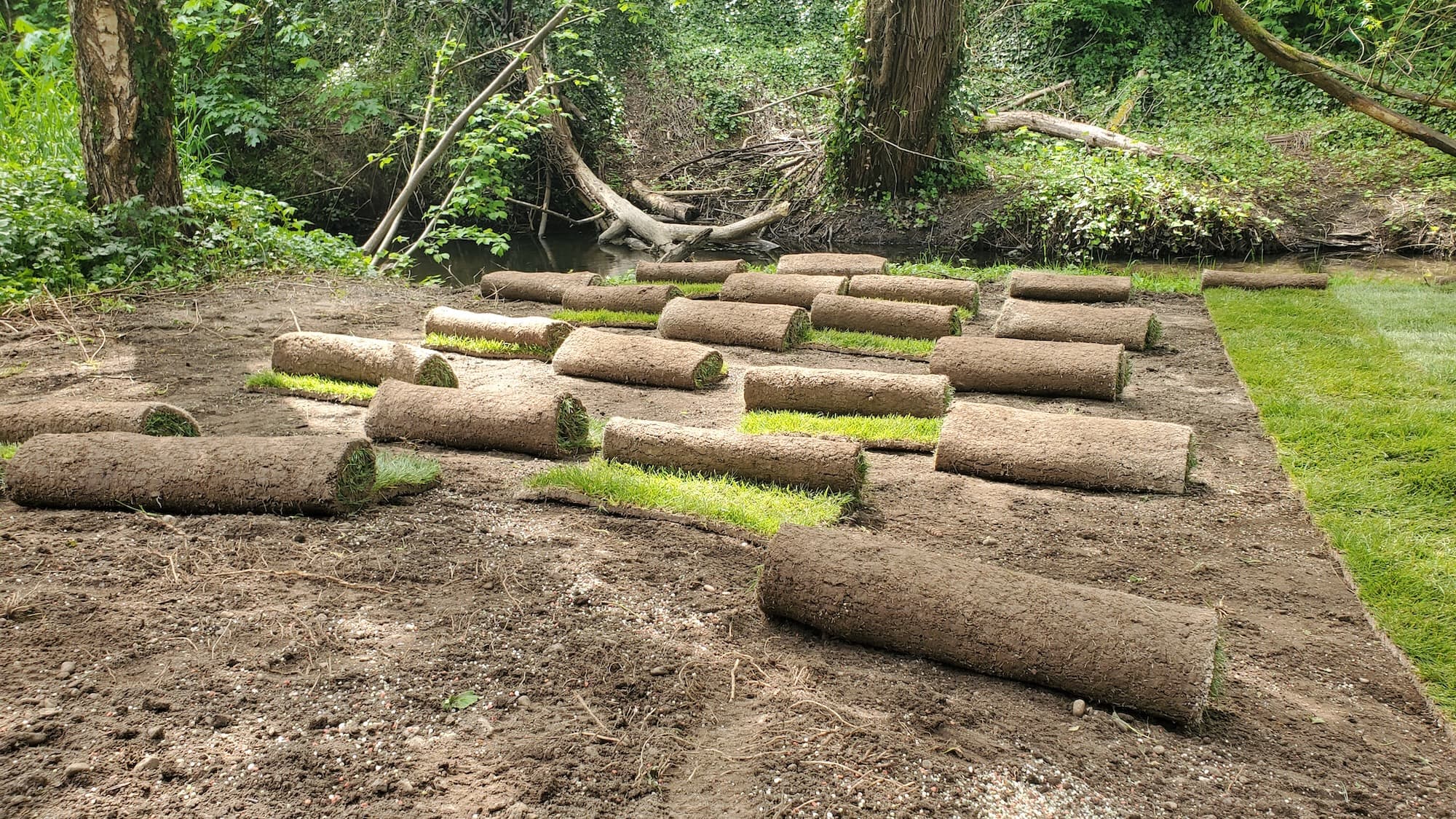
- Planting: Selecting and planting native grass species.
- Mulching: Applying a protective layer to retain moisture and suppress weeds.
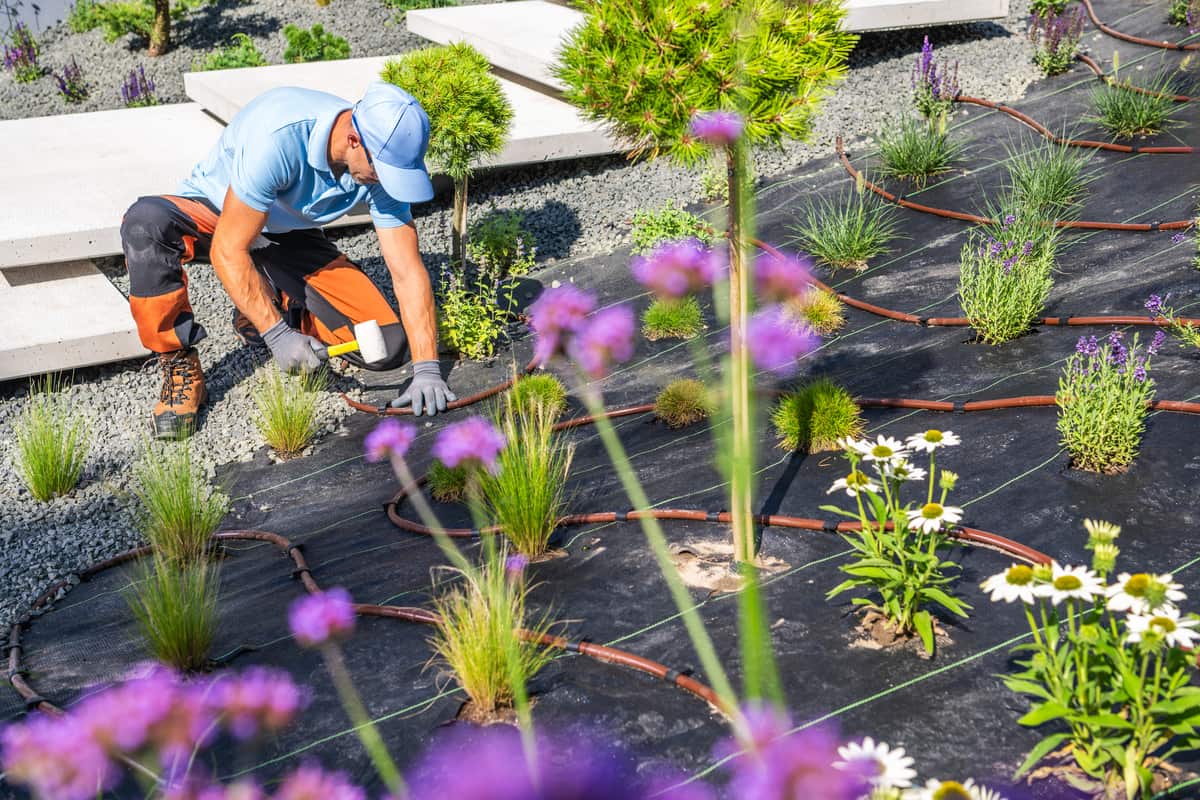
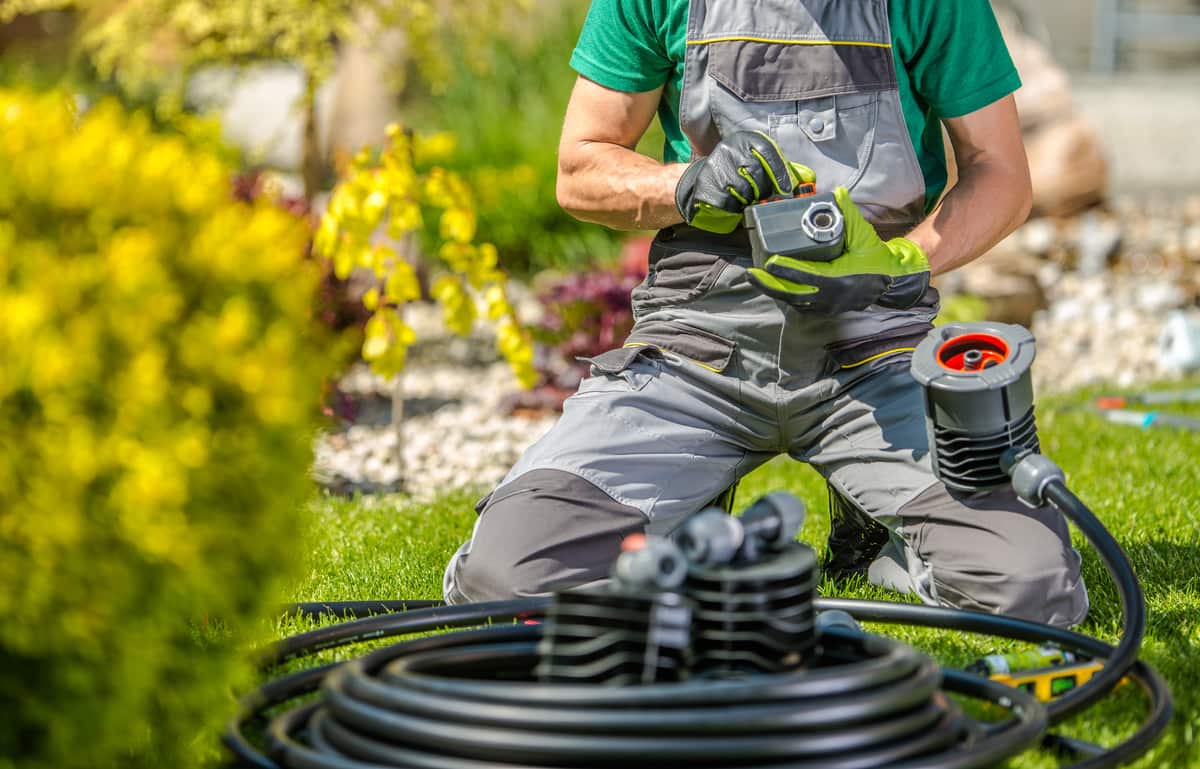
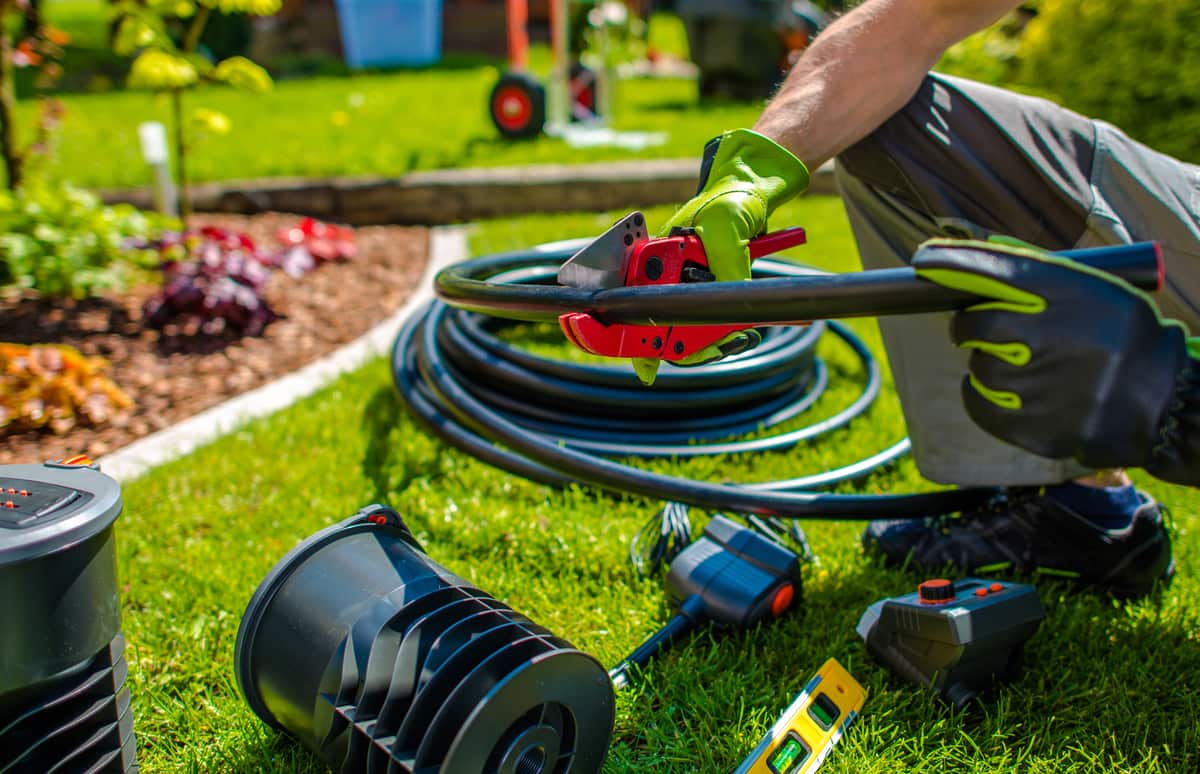
- Irrigation Setup: Installing a watering system if needed.
Key Benefits
- Improved Appearance: Native grasses provide a lush, natural look.
- Durability: These plants are adapted to local conditions, requiring less water and care.
- Safety: Reduces the need for chemical fertilizers and pesticides.
- Eco-Friendly Options: Supports local ecosystems and wildlife.
Why Hire a Pro
- Local Expertise: A professional understands the best native species for your area.
- Licensed & Insured Crew: Protects you from liability and ensures quality work.
- Professional Tools: Access to specialized equipment for efficient and effective planting.
Our Approach
Step-by-Step Breakdown
- Initial Consultation: Discuss goals and assess your yard.
- Site Preparation:
- Clear the area of existing grass and weeds.
- Remove any debris or rocks.
- Soil Preparation:
- Test soil pH and nutrient levels.
- Amend soil with organic matter if needed.
- Planting:
- Choose native grass species (e.g., fescue, bluegrass).
- Space plants according to their growth requirements.
- Mulching:
- Apply a 2-3 inch layer of organic mulch to retain moisture.
- Irrigation Setup:
- Install drip irrigation or a soaker hose if necessary.
On-Site Expectations
- Our crew arrives on time and works efficiently.
- We prioritize safety, using protective gear and following best practices.
- You’ll see improvements in your yard’s appearance right away, with a focus on long-lasting results.
We’re a full-service landscaping and hardscaping crew. Our goal is to tidy your yard, protect your property, and give it lasting curb appeal.
Service Pricing
Pricing Structure
- Flat Rate vs. Custom Pricing: Most projects are priced based on size and complexity.
- Variables to Consider:
- Lot size
- Volume of debris to clear
- Accessibility of the site
- Additional features like irrigation systems or decorative elements
Cost Ranges
- Basic native grass replanting can range from $1,500 to $3,000 depending on the size of your yard and specific requirements.
- Additional costs may apply for soil amendments, irrigation, or decorative features.
Fees to Note
- Tax and Dump Fees: Be aware of potential additional charges for debris disposal.
- Extra Hauling Charges: If access is limited, there may be higher costs for transporting materials.
What’s Included
Core Services
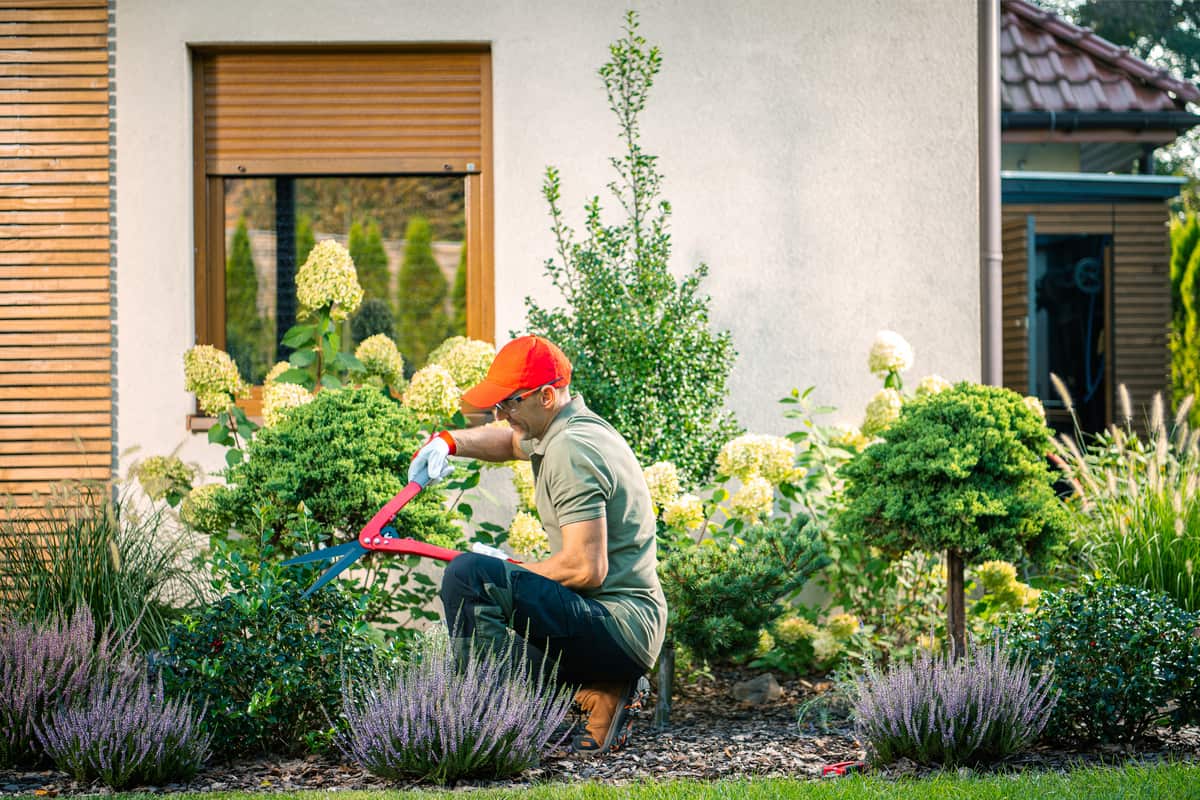
- Trimming and Edging: Keeping borders neat.
- Weeding: Removing unwanted plants to promote healthy growth.
- Mulching: Protecting soil and retaining moisture.
- Pruning: Maintaining any existing plants.
Optional Extras
- Gravel Installation: For paths or decorative areas.
- Landscape Fabric: Additional weed control beneath mulch.
- Seasonal Upgrades: Adding flowering plants or seasonal color.
FAQs
Common Customer Concerns
- Scheduling: We can typically start within 2-4 weeks, depending on weather and crew availability.
- Turnaround Time: Most projects are completed in one day, but larger areas may take longer.
- Dump Fees: We will discuss any potential fees upfront.
Maintenance Tips
- Watering: Newly planted grasses need regular watering until established.
- Mowing: Native grasses usually require less frequent mowing than traditional lawns.
- Weeding: Keep an eye out for invasive species and remove them promptly.
Why Choose Lee’s General Landscaping
- Experienced Local Crew: We know what works best in Seattle’s climate.
- Licensed, Bonded & Insured: Your peace of mind is our priority.
- Hundreds of 5-Star Reviews: Our reputation speaks for itself—check us out on Yelp and Google.
Ready for a yard that stays neat?
Call or text Lee’s General Landscaping for a quick quote and a maintenance plan that fits your property.
⭐⭐⭐⭐⭐ 400+ Yelp Reviews • ⭐⭐⭐⭐⭐ 130+ Google Map Reviews
📧 Email: lees.g.landscaping@gmail.com
📞 Office: 206-259-7919
🕘 Hours: Mon–Sun: 9AM–6PM
🔒 Licensed • Bonded • Insured
DIY vs. Pro
DIY Considerations
- Tools Needed: Shovels, rakes, wheelbarrows, mulch, and native grass seeds.
- Skill Level: Requires some gardening experience and physical labor.
- Time Commitment: Expect to spend a weekend or more, depending on your yard size.
When to Hire a Pro
- If you lack time, tools, or experience.
- For larger projects requiring specialized equipment or knowledge.
- When you want guaranteed results without the hassle.
Common Mistakes
- Ignoring Soil Quality: Poor soil can hinder grass growth.
- Overwatering: Native grasses are adapted to local rainfall; too much water can lead to root rot.
- Choosing Non-Native Species: Stick with local varieties to ensure success.
With the right approach, replanting native grasses can transform your yard into a sustainable oasis that enhances your home’s curb appeal, reduces maintenance, and supports local wildlife. Whether you choose to take on the project yourself or hire a professional, you’ll be making a positive impact on your property and the environment.