Trim ivy off residential fences
Ivy can be a beautiful addition to your garden, but when it starts climbing up your residential fence, it can quickly become a nuisance. Not only does it obscure the view and create an unkempt appearance, but it can also damage the fence and harbor pests. The best solution? Trim that ivy back! This article will guide you through the process, discuss the benefits, and help you decide whether to tackle this as a DIY project or hire a professional.
Description
What the Service Includes
Trimming ivy off residential fences involves several key tasks:
- Assessment: Evaluating the extent of the ivy growth.
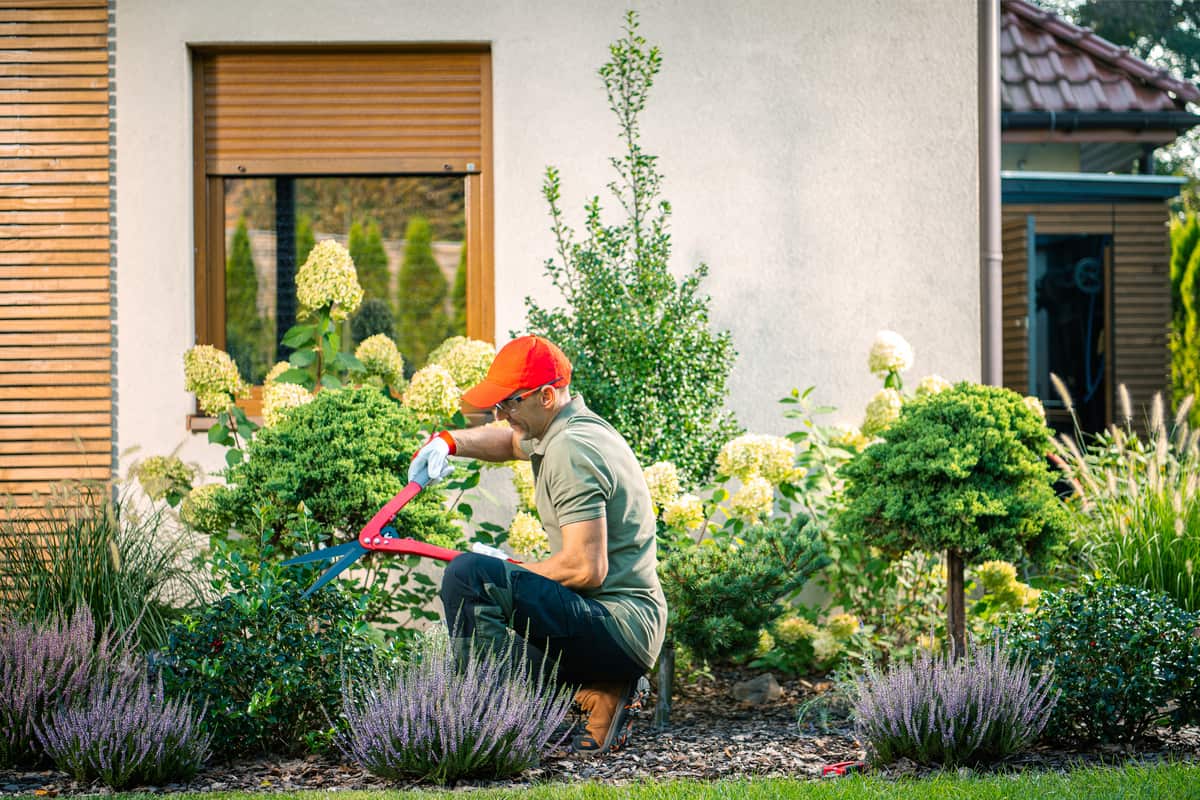
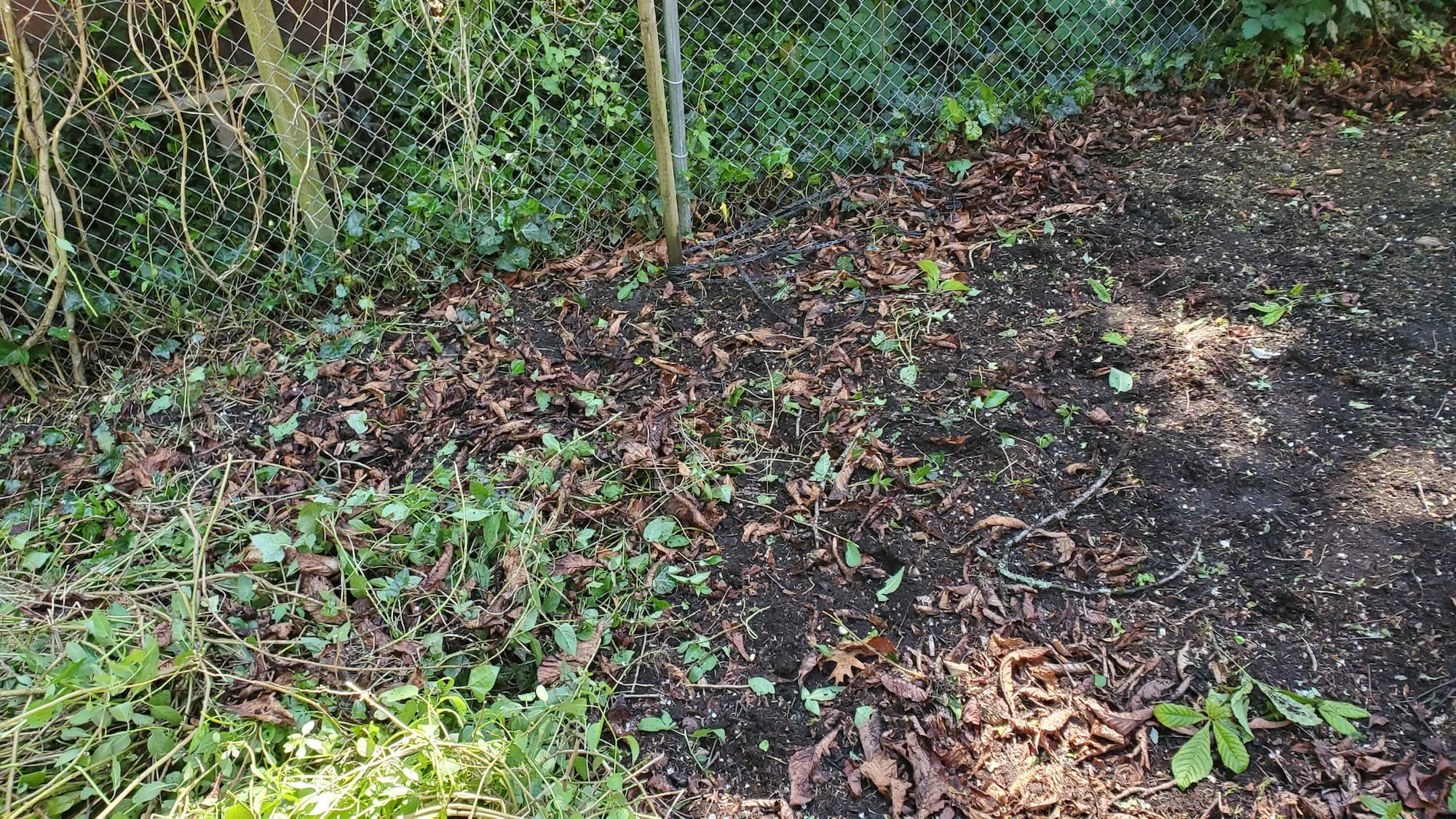
- Trimming: Cutting back the ivy to restore visibility and fence integrity.
- Removal: Clearing away cuttings and debris.
- Maintenance Suggestions: Providing tips for keeping ivy in check.
Key Benefits
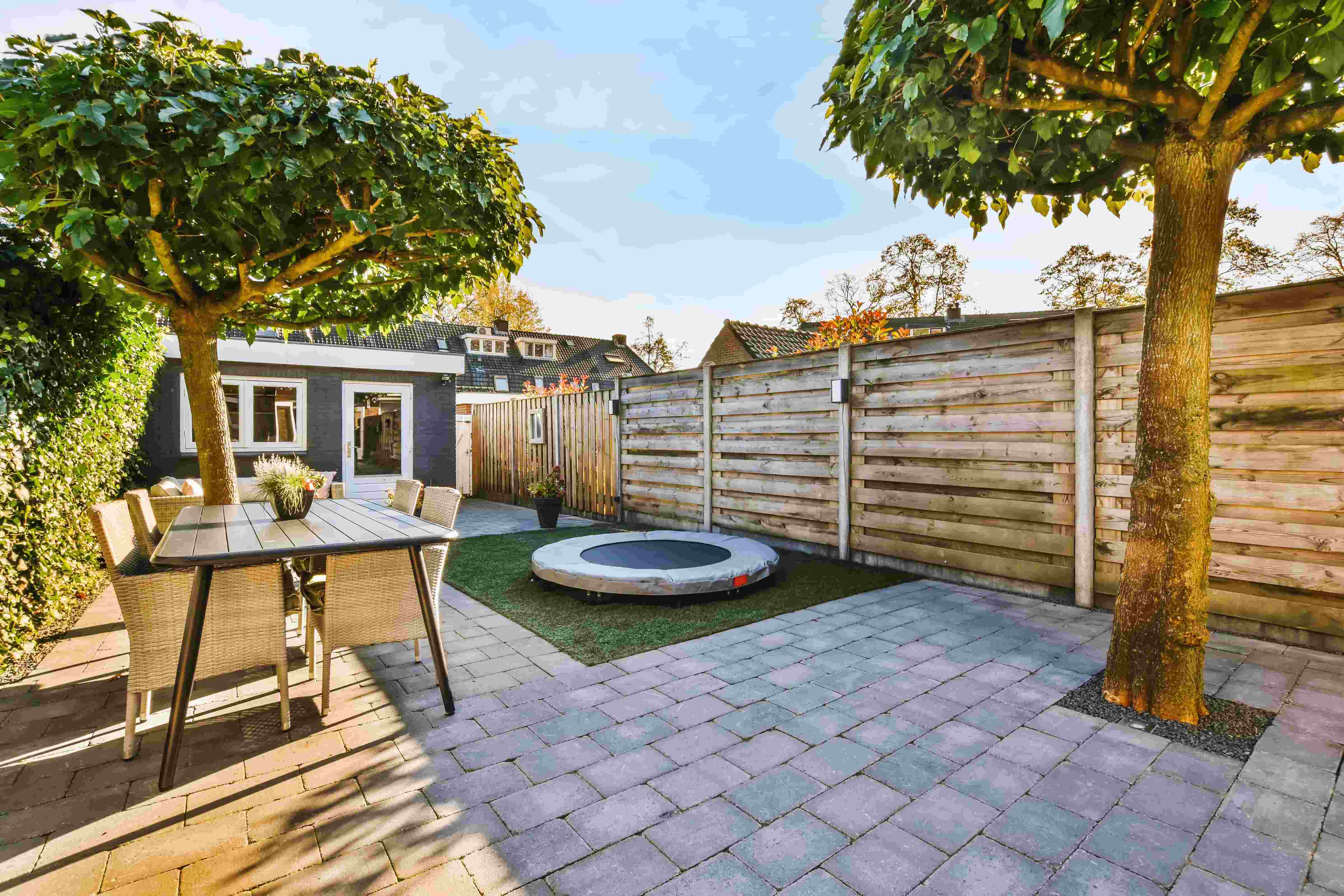
- Improved Appearance: A neatly trimmed fence enhances your home’s curb appeal.
- Durability: Prevents damage to the fence from invasive ivy roots.
- Safety: Reduces the risk of pests and allergens associated with overgrown ivy.
- Eco-Friendly Options: Consider composting cuttings or using organic methods for maintenance.
Why Hire a Pro
- Local Expertise: Professionals understand the best practices for your specific region.
- Licensed & Insured: Peace of mind knowing the job is done right and safely.
- Professional Tools: Access to specialized equipment that makes the job quicker and more efficient.
Our Approach
Step-by-Step Breakdown of Tasks
Gather Tools & Materials:
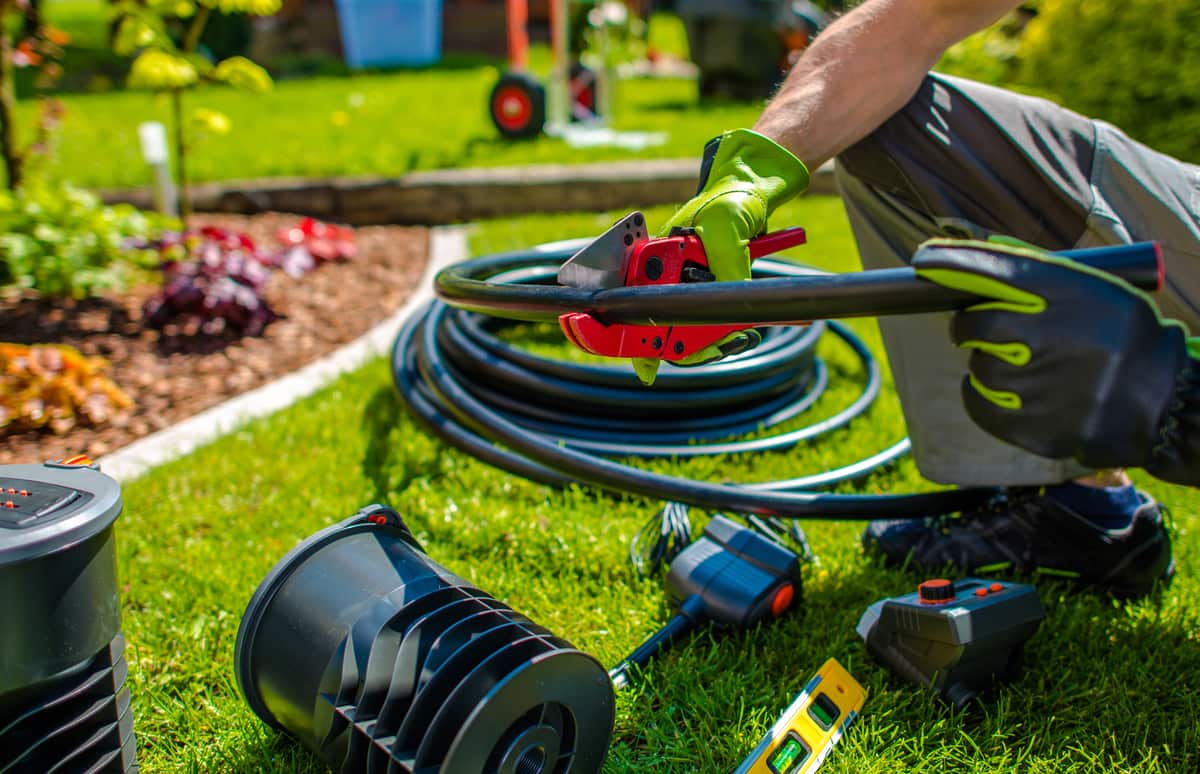
- Pruning shears
- Loppers for thicker stems
- A rake
- Trash bags or a compost bin
- Safety gloves and goggles
Assessment: Evaluate the extent of the ivy growth and determine how much needs to be trimmed.
Preparation: Clear the area around the fence to avoid any obstructions.
Trimming:
- Start at the top of the fence and work your way down.
- Use pruning shears for smaller vines and loppers for thicker ones.
- Cut the ivy back to a manageable height, ideally leaving a few inches above the fence line.
Removal: Gather all cuttings and dispose of them properly. Consider composting if the ivy is healthy.
Final Check: Inspect the fence for any damage caused by ivy and take notes for future maintenance.
What Homeowners Can Expect
- A clear timeline for the job, generally ranging from 1 to 3 hours depending on the size of the area.
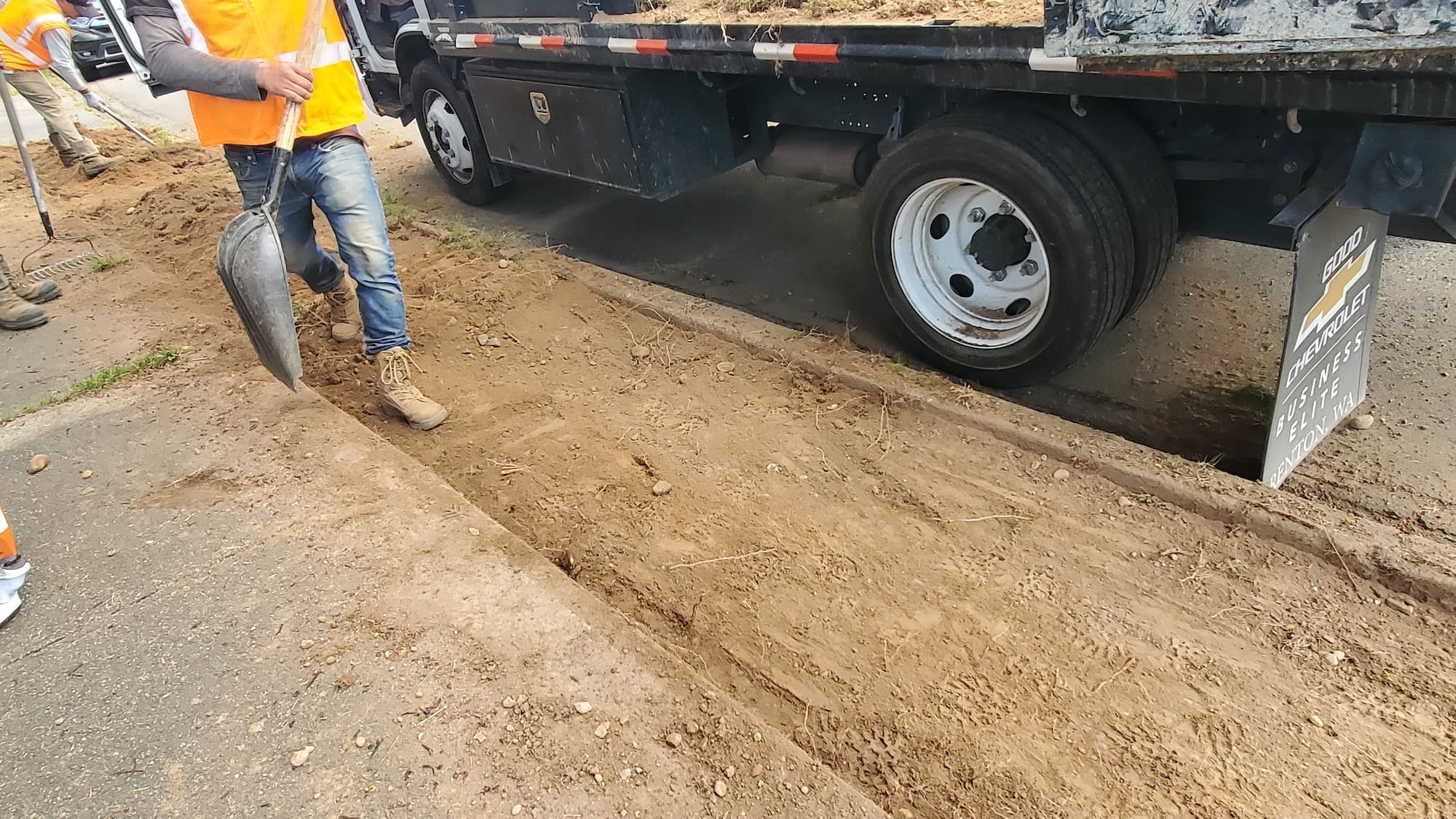
- A clean and tidy yard post-service, with all debris removed.
We’re a full-service landscaping and hardscaping crew. Our goal is to tidy your yard, protect your property, and give it lasting curb appeal.
Service Pricing
Pricing Structure
- Flat Rate vs. Custom: Most services are charged on a flat rate based on the size of the area and the volume of debris.
- Variables Affecting Cost:
- Lot size
- Amount of ivy to trim
- Accessibility of the fence
- Additional services like cleanup or planting
Cost Ranges
- Basic trimming can range from $100 to $300.
- Complex jobs or larger areas might run between $300 and $600.
Additional Costs
- Tax and Dump Fees: Be aware that some services may include additional charges for disposal.
- Extra Hauling Charges: If debris is excessive, expect possible extra fees.
What’s Included
Core Services
- Trimming and cutting back ivy
- Edging around the fence line
- Weeding any accompanying plants
- Basic cleanup of the area
Optional Extras
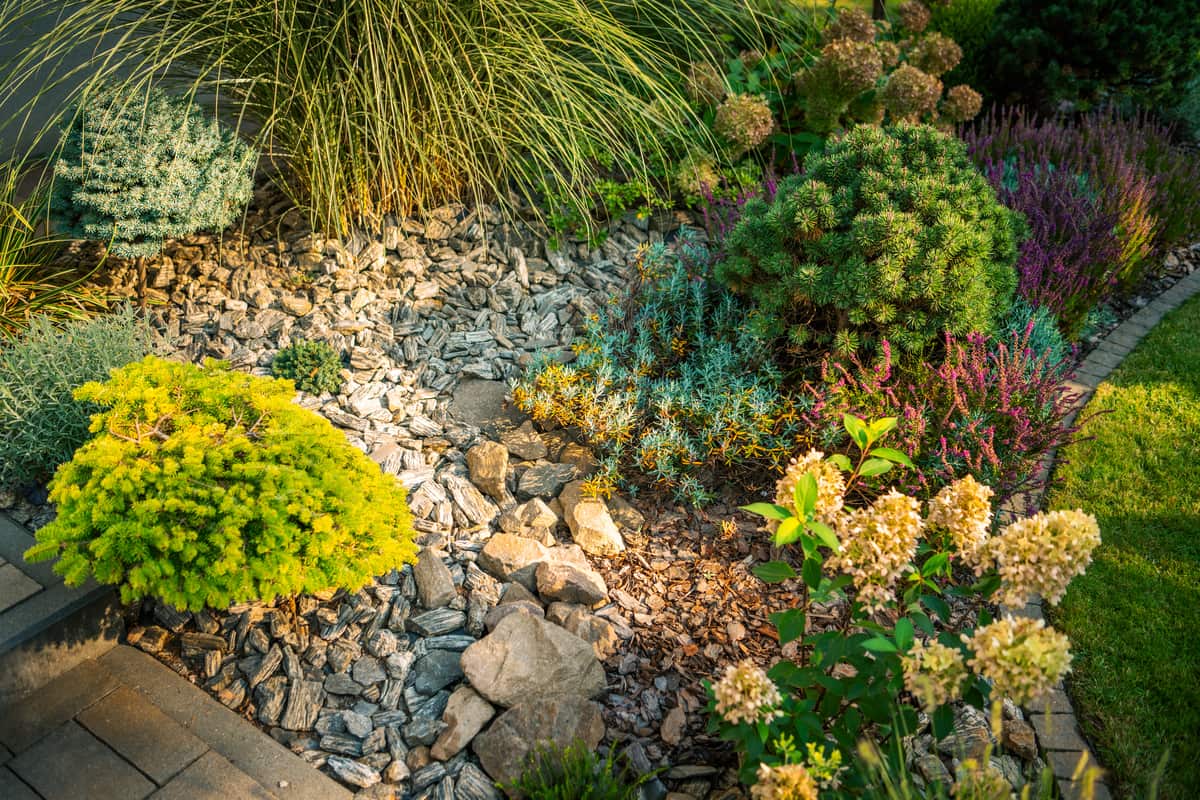
- Gravel Installation: To improve drainage around the fence.
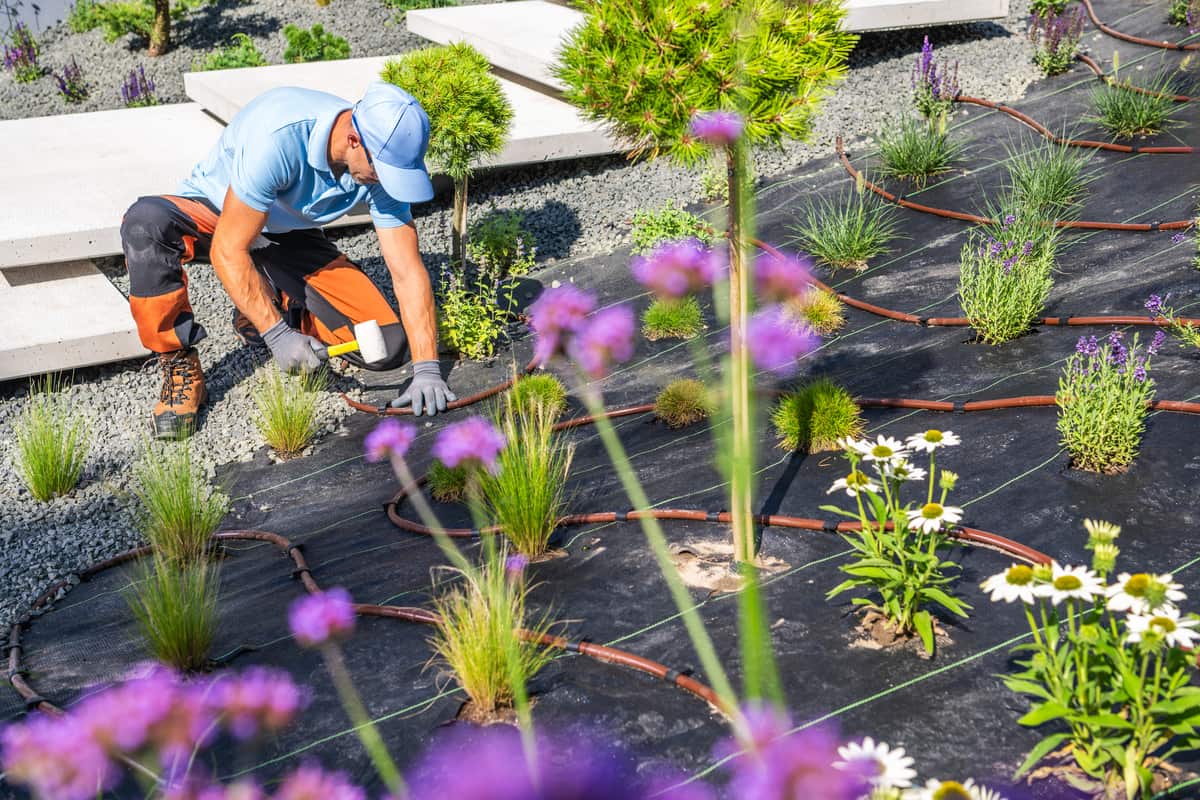
- Landscape Fabric: To prevent regrowth of unwanted plants.
- Planting: Adding new plants for a fresh look.
- Seasonal Upgrades: Such as mulching or seasonal flowers.
FAQs
Common Customer Concerns
- Scheduling: Most jobs can be scheduled within a week.
- Turnaround Time: Typically completed in a few hours.
- Dump Fees: Clarified during the quote process.
Maintenance Tips
- Regularly inspect the fence for ivy growth.
- Trim ivy every 6-12 months to keep it manageable.
- Consider using a barrier or landscape fabric to slow regrowth.
Why Choose Lee’s General Landscaping
- Experienced Local Crew: We pride ourselves on working clean and efficiently.
- Licensed, Bonded & Insured: We prioritize your peace of mind.
- Hundreds of 5-Star Reviews: Our reputation speaks for itself across Yelp and Google.
Ready for a yard that stays neat?
Call or text Lee’s General Landscaping for a quick quote and a maintenance plan that fits your property.
⭐⭐⭐⭐⭐ 400+ Yelp Reviews • ⭐⭐⭐⭐⭐ 130+ Google Map Reviews
📧 Email: lees.g.landscaping@gmail.com
📞 Office: 206-259-7919
🕘 Hours: Mon–Sun: 9AM–6PM
🔒 Licensed • Bonded • Insured
DIY vs. Pro
- DIY: If you’re comfortable with tools and have a small area to manage, trimming ivy can be a rewarding weekend project.
- Pro: For larger areas, or if you prefer a clean, professional finish, hiring experts will save you time and ensure the job is done right.
Common Mistakes
- Cutting Too Much: Avoid cutting down to the roots, as this can damage your fence.
- Ignoring Safety: Always wear gloves and goggles to protect against sharp tools and debris.
- Not Cleaning Up: Leaving debris can create a mess and invite pests.
With the right approach, trimming ivy off your residential fence can enhance your property’s appeal while protecting your investment. Whether you choose to do it yourself or hire a pro, following these guidelines will ensure a successful outcome.