Treat Diseased Lawn Patches
Dealing with diseased patches in your lawn can be frustrating for any homeowner. These unsightly areas not only detract from your yard’s overall beauty but can also lead to safety hazards, such as uneven terrain and increased pest activity. The best solution? Treating those patches effectively to restore your lawn’s health and appearance. In this article, we’ll cover everything you need to know about identifying, treating, and preventing lawn diseases, ensuring your yard remains vibrant, safe, and easy to maintain.
Description
What the Service Includes
- Diagnosis: Identifying the type of disease affecting your lawn (fungal, bacterial, or pest-related).
- Treatment: Applying appropriate fungicides, herbicides, or organic solutions.
- Restoration: Reseeding or sodding the affected areas.
- Maintenance: Implementing a care plan to prevent future outbreaks.
Key Benefits
- Improved Appearance: A healthy lawn boosts curb appeal and enhances your property value.
- Durability: Treating diseases fosters a stronger lawn that withstands weather changes and foot traffic.
- Safety: Eliminates hazards associated with uneven or dead patches.
- Eco-Friendly Options: Many treatments are organic, reducing chemical exposure for your family and pets.
Why Hire a Pro
- Local Expertise: Professionals understand regional pests and diseases.
- Licensed & Insured Crew: Protects you from liability and ensures quality work.
- Professional Tools: Access to high-grade equipment and materials not typically available to homeowners.
Our Approach
Step-by-Step Breakdown of Tasks
- Inspection: Assess the lawn to pinpoint affected areas and identify the cause.
- Soil Testing: Check pH levels and nutrient content to tailor treatment.
- Treatment Application:
- Apply fungicides or pesticides as needed.
- If necessary, aerate the soil to enhance absorption.
- Reseeding/Sodding:
- Reseed with disease-resistant grass varieties or lay sod in severely affected areas.
- Post-Treatment Care: Watering schedule and maintenance tips for the new grass.
On-Site Expectations
- Efficiency: Our crew works systematically, minimizing disruption to your routine.
- Safety Protocols: We follow safety guidelines to protect our team, your family, and pets.
- Long-Lasting Results: Our methods are designed to ensure your lawn thrives long after our visit.
We’re a full-service landscaping and hardscaping crew. Our goal is to tidy your yard, protect your property, and give it lasting curb appeal.
Service Pricing
How Pricing Works
- Flat Rate: Basic lawn treatment services are often priced at a flat rate depending on size.
- Custom Quotes: For extensive damage or specialized treatments, we provide a tailored estimate.
Variables Influencing Cost
- Lot Size: Larger areas require more materials and labor.
- Debris Volume: More extensive cleanup can increase costs.
- Access: Difficult-to-reach areas may require additional time or equipment.
- Add-Ons: Additional services like landscaping or new sod.
Additional Fees
- Taxes: Standard local taxes apply.
- Dump Fees: If debris removal is needed.
- Extra Hauling Charges: For large amounts of waste.
What’s Included
Core Services
- Trimming: Cutting back overgrown grass and weeds.
- Edging: Defining borders between lawn and garden beds.
- Weeding: Removing unwanted plants that compete for resources.
- Mulching: Adding a protective layer to retain moisture and suppress weeds.
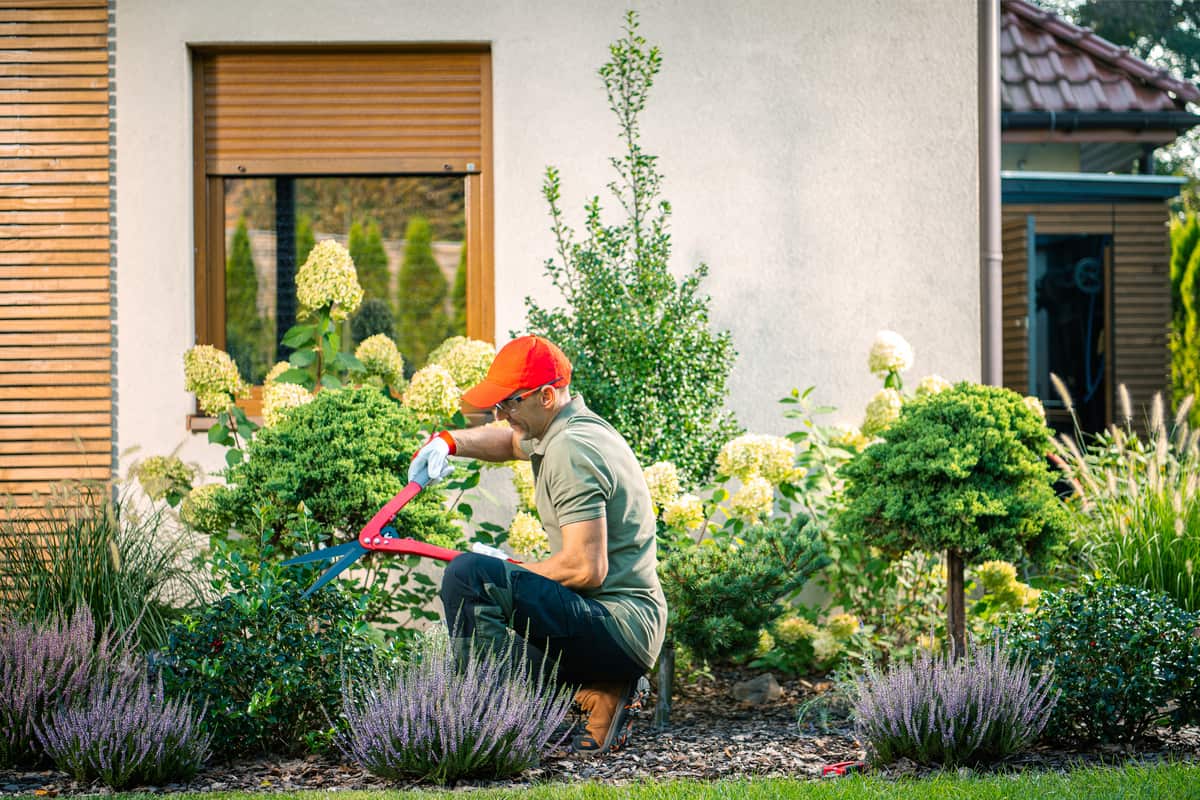
- Pruning: Trimming shrubs and trees to promote healthy growth.
Optional Extras
- Gravel: For pathways or drainage solutions.
- Landscape Fabric: To prevent weed growth in flower beds.
- Planting: Adding new plants for color and diversity.
- Seasonal Upgrades: Fall aeration or spring fertilization.
FAQs
Common Customer Concerns
- Scheduling: We typically schedule within a week, depending on the season.
- Turnaround Time: Most treatments take a day; reseeding or sodding may require follow-up visits.
- Dump Fees: Discussed upfront to avoid surprises.
Add-Ons or Upgrades Explained
- Fertilization: Enhances grass growth; consider a spring and fall application.
- Aeration: Improves soil health; recommended annually.
Maintenance Tips
- Watering: Keep the treated areas consistently moist but not soggy.
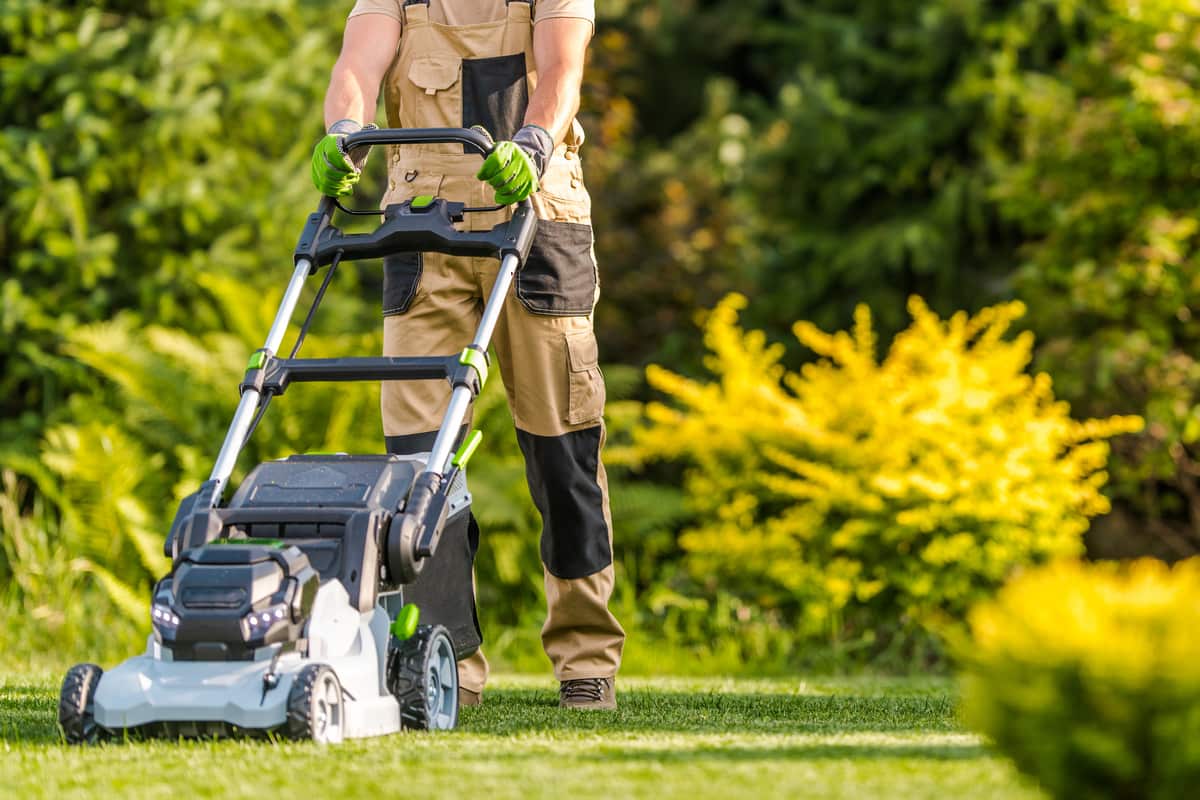
- Mowing: Avoid cutting newly seeded areas until grass reaches at least 3 inches tall.
- Regular Inspections: Check for signs of disease or pest activity periodically.
Why Choose Lee’s General Landscaping
- Experienced Local Crew: We know what works in our area.
- Licensed, Bonded & Insured: Your peace of mind is our priority.
- Hundreds of 5-Star Reviews: Our satisfied customers speak for us.
DIY vs. Pro
DIY: If you’re handy and have basic lawn care knowledge, you might tackle minor patches yourself. However, diagnosing diseases accurately can be tricky.
Pro: For extensive damage, or if you’re unsure about treatment methods, hiring a professional ensures that the job is done right the first time.
Common Mistakes
- Ignoring Symptoms: Waiting too long to address patches can lead to more extensive damage.
- Overwatering: Too much water can promote fungal diseases.
- Using Wrong Treatments: Not all products are suitable for every type of lawn disease.
Ready for a yard that stays neat?
Call or text Lee’s General Landscaping for a quick quote and a maintenance plan that fits your property.
⭐⭐⭐⭐⭐ 400+ Yelp Reviews • ⭐⭐⭐⭐⭐ 130+ Google Map Reviews
📧 Email: lees.g.landscaping@gmail.com
📞 Office: 206-259-7919
🕘 Hours: Mon–Sun: 9AM–6PM
🔒 Licensed • Bonded • Insured