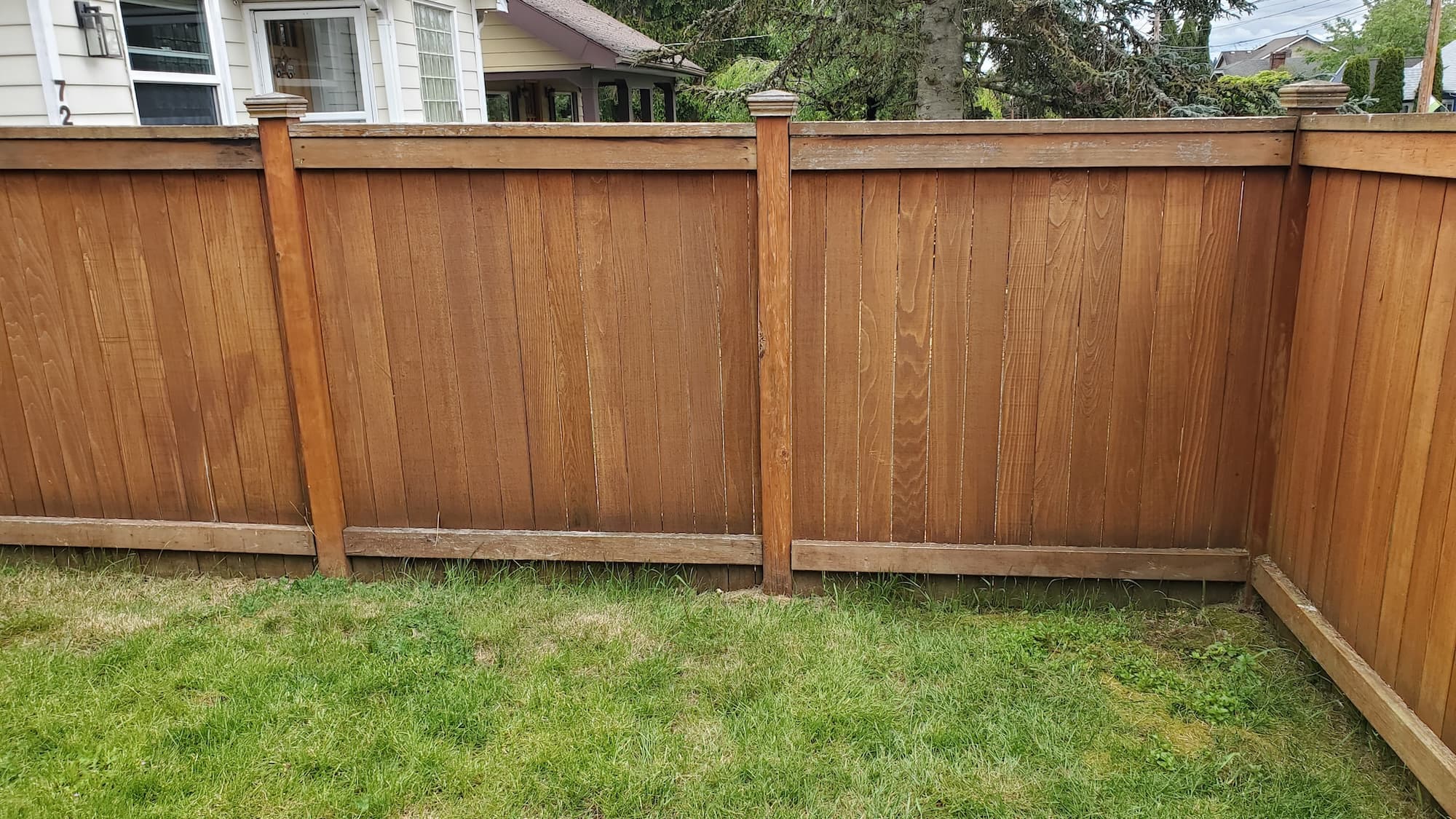
Tighten Loose Fence Panels
Loose fence panels can be a frustrating problem for homeowners. Not only do they detract from your property’s curb appeal, but they can also pose safety hazards for children and pets. The good news is that tightening those panels is a straightforward task that can enhance your home’s appearance, improve durability, and reduce long-term maintenance. In this article, we’ll cover everything you need to know, from tools and materials to step-by-step instructions.
Description
When you tighten loose fence panels, you’ll typically address the following tasks:
- Inspect the entire fence for loose panels.
- Tighten screws, nails, or bolts that hold the panels in place.
- Replace any damaged or rotting wood.
- Reinforce the frame if necessary.
Key Benefits
- Improved Appearance: A well-maintained fence enhances your property’s curb appeal.
- Durability: Tightening panels can extend the life of your fence.
- Safety: A secure fence protects children and pets from wandering off.
- Eco-Friendly Options: Consider using sustainable materials for repairs.
Why Hire a Pro
While tightening loose panels can be a DIY project, hiring a professional offers advantages:
- Local Expertise: Pros understand the common issues in your area.
- Licensed & Insured: Protects you in case of accidents.
- Professional Tools: Access to specialized tools ensures a better finish.
Our Approach
Here’s how to tighten those loose fence panels effectively:
Step-by-Step Breakdown
Gather Your Tools and Materials
- Tools: Drill, screwdriver, hammer, level, measuring tape.
- Materials: Replacement wood panels (if needed), screws/bolts, wood glue, brackets.
Inspect the Fence
- Walk around the entire fence and identify loose panels.
- Check for any damage like rotting wood or broken fasteners.
Tighten Fasteners
- Use a drill or screwdriver to tighten screws or bolts on loose panels.
- For nails, use a hammer to drive them deeper into the wood.
Replace Damaged Panels
- Remove any damaged sections using a pry bar or hammer.
- Measure and cut new wood panels to size.
- Attach new panels with screws or nails.
Reinforce the Frame (if necessary)
- If the frame is weak, add brackets or additional supports.
- Use a level to ensure everything is straight and secure.
Final Inspection
- Walk around the fence again to ensure all panels are tight.
- Check for any remaining loose areas and address them.
What to Expect On-Site
When working with a professional crew, expect:
- A thorough inspection of your fence.
- Efficient work to minimize disruption.
- Clean-up of any debris after the job is done.
Service Pricing
Typically, pricing for tightening fence panels varies based on:
- Flat Rate vs. Custom: Some services may have a set rate, while others will customize based on your specific needs.
- Variables: Lot size, the number of panels, accessibility, and any additional repairs can impact the overall cost.
- Extra Charges: Be aware of potential tax, dump fees, or extra hauling charges for debris removal.
Cost Ranges
- DIY Costs: $50 - $150 for tools and materials if you do it yourself.
- Pro Costs: $200 - $600, depending on the complexity of the job and local rates.
What’s Included
Core services for tightening fence panels generally include:
- Inspection and Assessment: Detailed look at the entire fence.
- Panel Tightening: Secure all loose panels.
- Replacement of Damaged Sections: Swap out any broken or rotting wood.
- Reinforcement: Additional support as needed.
Optional Extras
Consider these upgrades for enhanced durability:
- Wood Treatment: Apply sealant or stain for weather resistance.
- New Fencing: If your fence is old, consider replacing it entirely.
- Decorative Elements: Add caps or decorative panels for curb appeal.
FAQs
- How long will it take? Most jobs can be completed in 1-3 hours, depending on the extent of the repairs.
- What if I have more questions? Don’t hesitate to ask your contractor about any concerns you have during the assessment.
- How do I maintain my fence after repairs? Regularly check for loose panels and clean the fence to prevent rot and insect damage.
Common Mistakes
- Ignoring Minor Issues: Small problems can escalate if not addressed promptly.
- Using Wrong Fasteners: Ensure you use the correct size and type of screws or nails for your fence.
- Neglecting Maintenance: Regular upkeep can prevent larger issues down the road.
DIY vs. Pro
- DIY: Great for handy homeowners, but be prepared for potential challenges and safety risks.
- Pro: Offers peace of mind, especially for extensive repairs or if you’re unsure about the process.
Why Choose Lee’s General Landscaping
- Experienced Local Crew: We know the common issues in your area and how to fix them.
- Licensed, Bonded & Insured: We prioritize your safety and satisfaction.
- Hundreds of 5-Star Reviews: Trust our reputation on platforms like Yelp and Google.
Ready for a yard that stays neat?
Call or text Lee’s General Landscaping for a quick quote and a maintenance plan that fits your property.
⭐⭐⭐⭐⭐ 400+ Yelp Reviews • ⭐⭐⭐⭐⭐ 130+ Google Map Reviews
📧 Email: lees.g.landscaping@gmail.com
📞 Office: 206-259-7919
🕘 Hours: Mon–Sun: 9AM–6PM
🔒 Licensed • Bonded • Insured