Straighten Leaning Retaining Walls
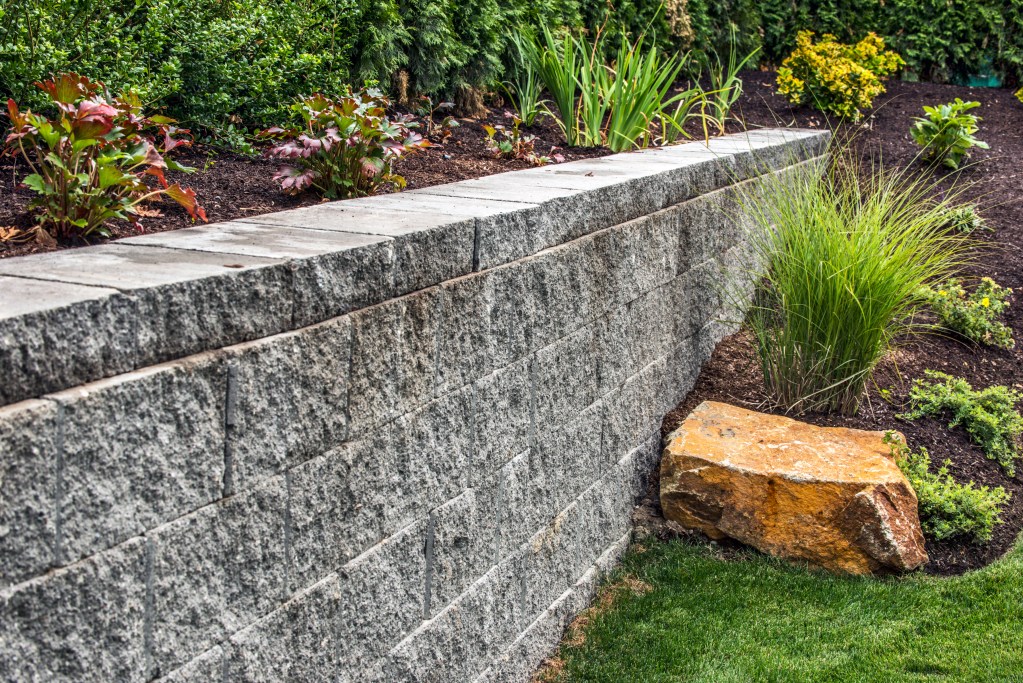
Leaning retaining walls can be a real headache for homeowners. Not only do they detract from your property’s curb appeal, but they can also pose safety risks and lead to costly repairs if left unaddressed. Fortunately, straightening a leaning retaining wall is a manageable project that can restore both its functionality and appearance. In this article, we’ll cover the step-by-step process to tackle this issue, the tools and materials you’ll need, timelines, costs, and maintenance tips to ensure your wall stands tall for years to come.
Description
Straightening a leaning retaining wall involves several key tasks:
- Assessment: Evaluating the extent of the lean and the cause.
- Excavation: Clearing soil around the wall to allow for repairs.
- Reinforcement: Adding structural support, such as backfill or additional materials.
- Realignment: Adjusting the wall back to its original position.
- Finishing Touches: Restoring the landscaping around the wall.
Key Benefits
- Improved Appearance: A straight wall enhances your yard’s overall look.
- Increased Durability: Properly reinforced walls last longer and resist future leaning.
- Safety: A stable wall prevents accidents and property damage.
- Eco-Friendly Options: Choose sustainable materials for a greener approach.
Why Hire a Pro
While some homeowners may opt for a DIY approach, hiring a professional offers several advantages:
- Local Expertise: Professionals understand regional soil types and weather impacts.
- Licensed & Insured: Protects you from liability and ensures quality work.
- Professional Tools: Access to heavy-duty equipment for efficient repairs.
Our Approach
Step-by-Step Breakdown
Initial Assessment:
- Identify the cause of the lean (e.g., drainage issues, soil erosion).
- Measure the degree of the lean for reference.
Excavation:
- Clear soil around the wall to expose its foundation.
- Remove any vegetation obstructing the wall.
Reinforcement:
- Add backfill material or gravel to support the wall.
- Install drainage pipes if water accumulation is an issue.
Realignment:
- Carefully push or pull the wall back to an upright position.
- Use a level to ensure proper alignment.
Finishing Touches:
- Fill in around the wall with soil or mulch to stabilize it.
- Restore landscaping features, like plants or edging.
On-Site Expectations
Expect our crew to arrive on time, equipped with the necessary tools. We prioritize safety and efficiency, ensuring minimal disruption to your property. Throughout the process, we’ll keep you informed about our progress and any unexpected findings.
Service Pricing
Pricing for straightening a retaining wall can vary based on several factors:
- Flat Rate vs. Custom: Smaller jobs may have a flat rate, while larger or complex projects will be custom-quoted.
- Variables: Lot size, volume of debris, access to the site, and any required add-ons will influence the final cost.
- Additional Fees: Be aware of potential taxes, dump fees, or extra hauling charges.
Estimated Cost Range: $500 - $2,500 depending on the complexity and materials needed.
What’s Included
Core Services
- Assessment: Initial evaluation of the wall’s condition.
- Excavation: Clearing soil and debris around the wall.
- Reinforcement: Adding necessary support structures.
- Realignment: Adjusting the wall to its proper position.
- Finishing Touches: Restoring landscaping.
Optional Extras
- Drainage Solutions: Installing pipes or gravel for better water management.
- Vegetation Management: Planting shrubs or flowers to enhance aesthetics.
- Seasonal Upgrades: Adding decorative stones or mulch.
FAQs
Common Customer Concerns
How long will the project take?
- Most jobs can be completed within 1-3 days, depending on the wall’s condition.
Are there any hidden costs?
- We provide a detailed quote upfront, but unforeseen issues may arise during excavation.
What maintenance is required after repairs?
- Regularly check for drainage issues and inspect the wall for any signs of leaning.
Maintenance Tips
- Keep the area around the wall clear of debris.
- Monitor for signs of water pooling or erosion.
- Trim back vegetation that may exert pressure on the wall.
DIY vs. Pro
DIY: If you have experience with landscaping and heavy lifting, you might tackle this project yourself. However, be prepared for the physical demands and potential complications.
Pro: Hiring a professional can save you time and ensure the job is done right the first time, especially for larger or more complicated walls.
Common Mistakes
- Ignoring Drainage: Failing to address water issues can lead to future leaning.
- Inadequate Support: Not reinforcing the wall properly can result in repeated issues.
- Skipping the Assessment: Jumping straight to repairs without a proper evaluation can complicate the process.
Why Choose Lee’s General Landscaping
- Experienced Local Crew: We understand the unique challenges of your area.
- Licensed, Bonded & Insured: You’re protected throughout the process.
- Hundreds of 5-Star Reviews: Our reputation speaks for our quality of work.
Ready for a yard that stays neat?
Call or text Lee’s General Landscaping for a quick quote and a maintenance plan that fits your property.
⭐⭐⭐⭐⭐ 400+ Yelp Reviews • ⭐⭐⭐⭐⭐ 130+ Google Map Reviews
📧 Email: lees.g.landscaping@gmail.com
📞 Office: 206-259-7919
🕘 Hours: Mon–Sun: 9AM–6PM
🔒 Licensed • Bonded • Insured