Rainwater harvesting integration design
Rainwater harvesting is an eco-friendly solution that allows homeowners to collect and use rainwater for various purposes, such as irrigation and even indoor use. However, integrating a rainwater harvesting system into your existing landscape can be a challenge. The good news is that with the right design and implementation, you can enhance your property’s curb appeal, ensure safety, and lower maintenance costs. In this article, we’ll cover everything you need to know about designing a rainwater harvesting system, from the initial planning stages to maintenance tips and common pitfalls.
Description
What the Service Includes
Rainwater harvesting integration involves several key tasks:
- Assessing your property’s layout and drainage patterns
- Designing a collection system (gutters, downspouts, and storage tanks)
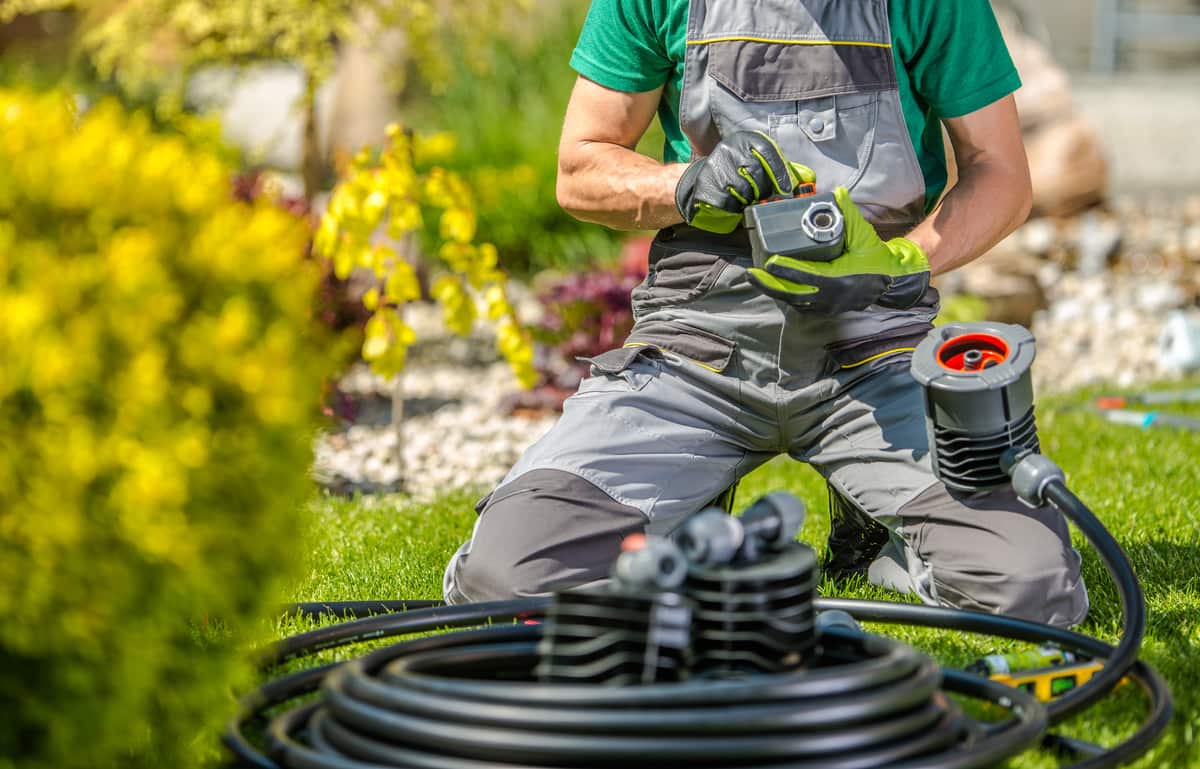
- Installing filtration and distribution systems
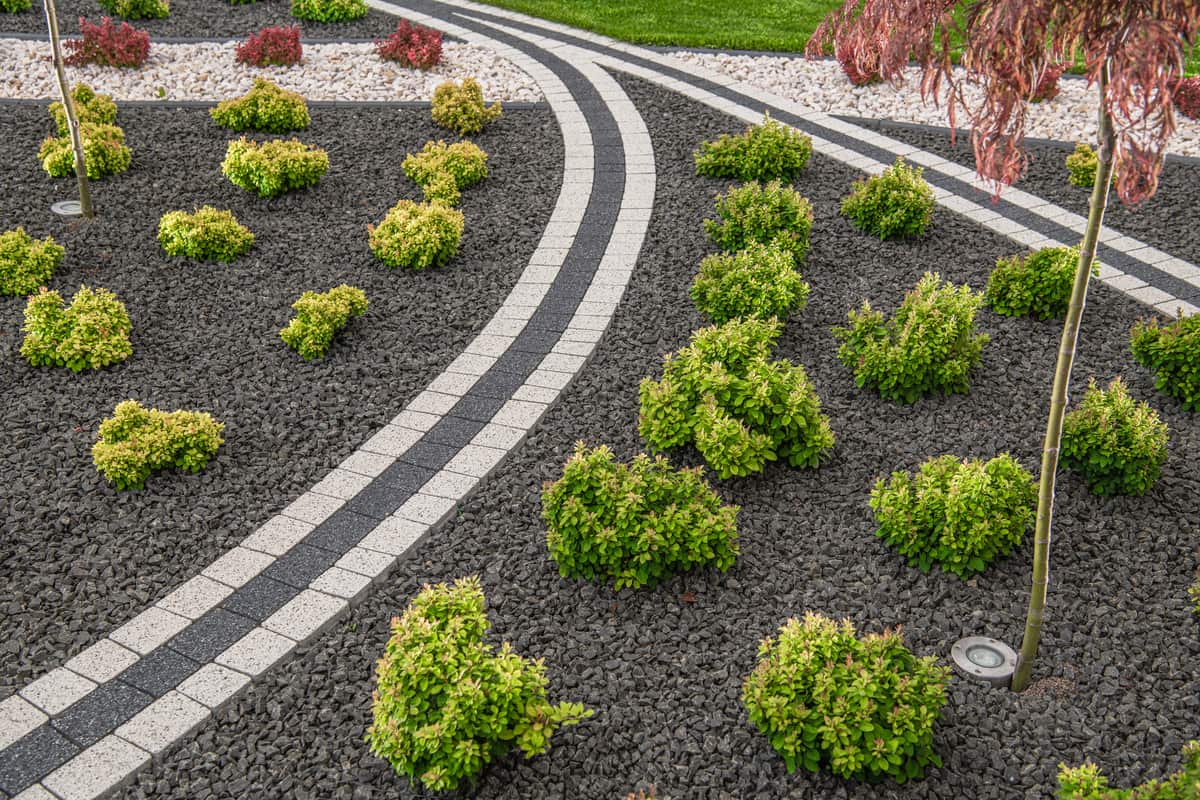
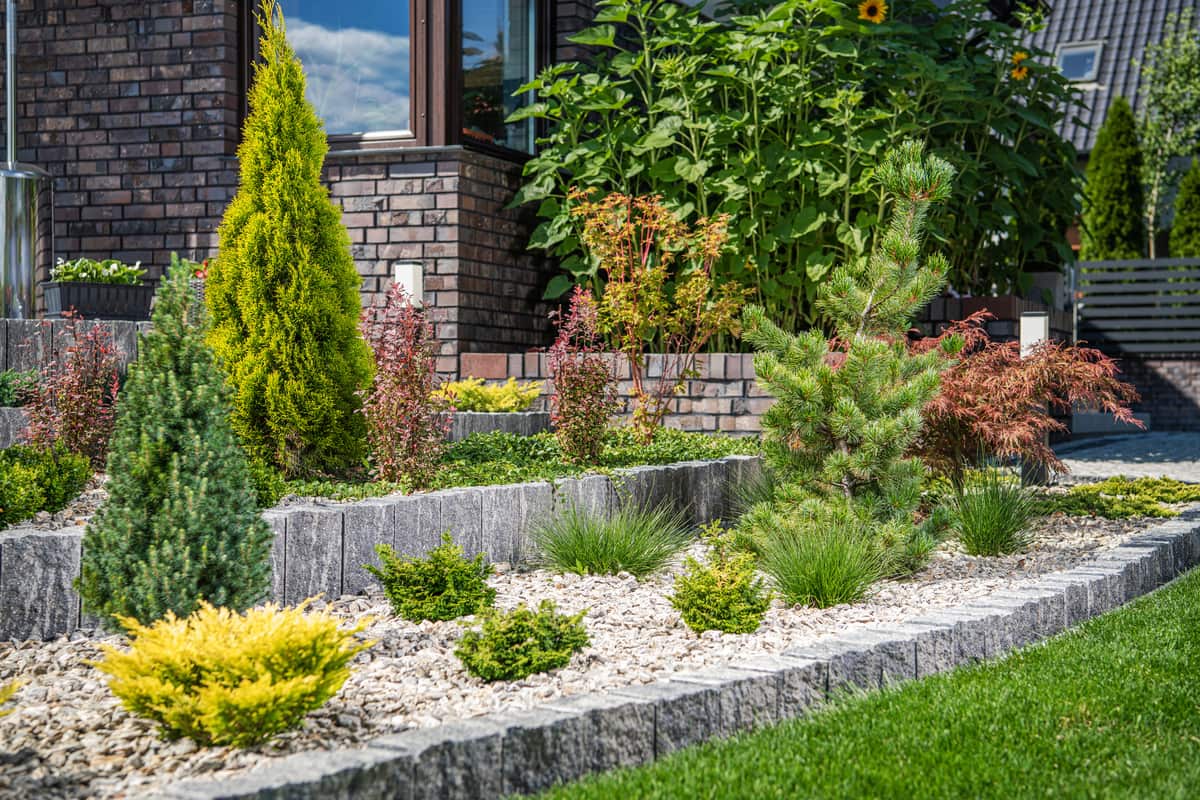
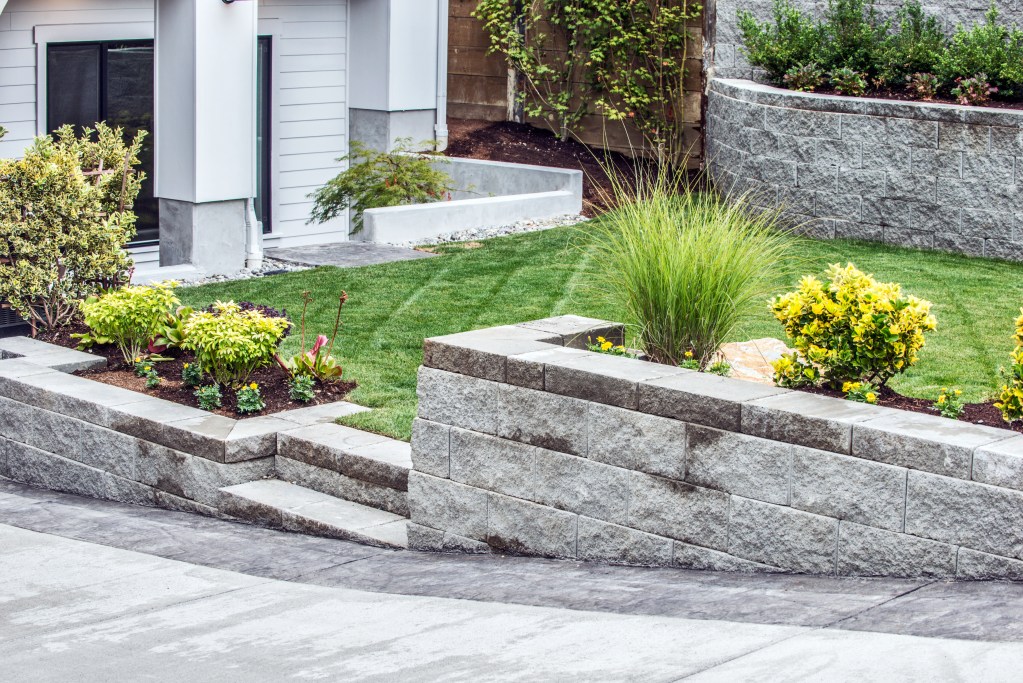
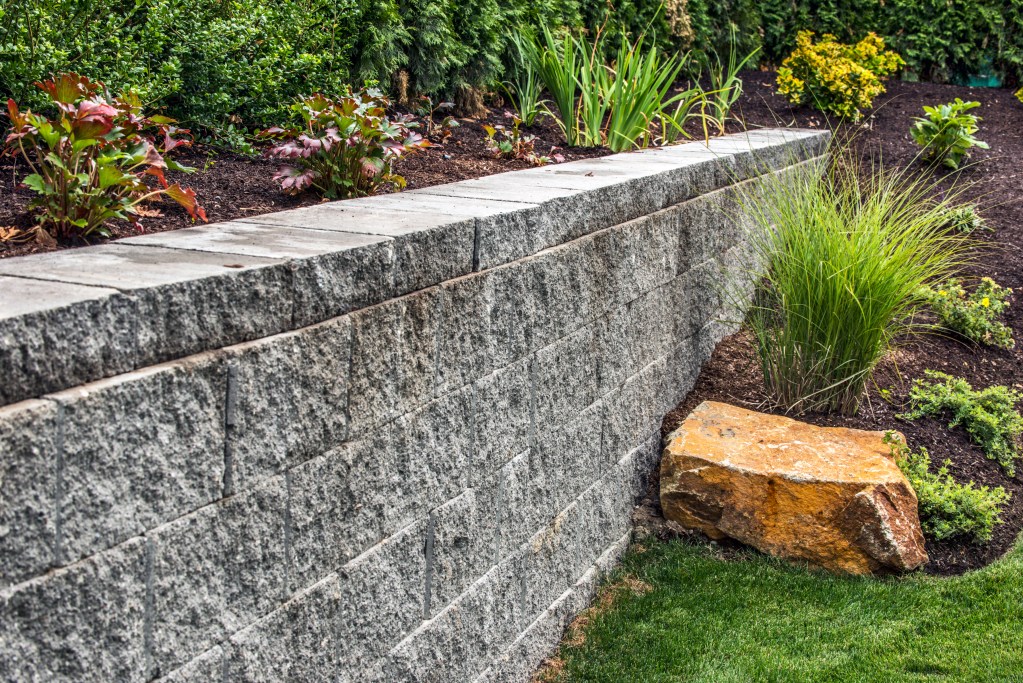
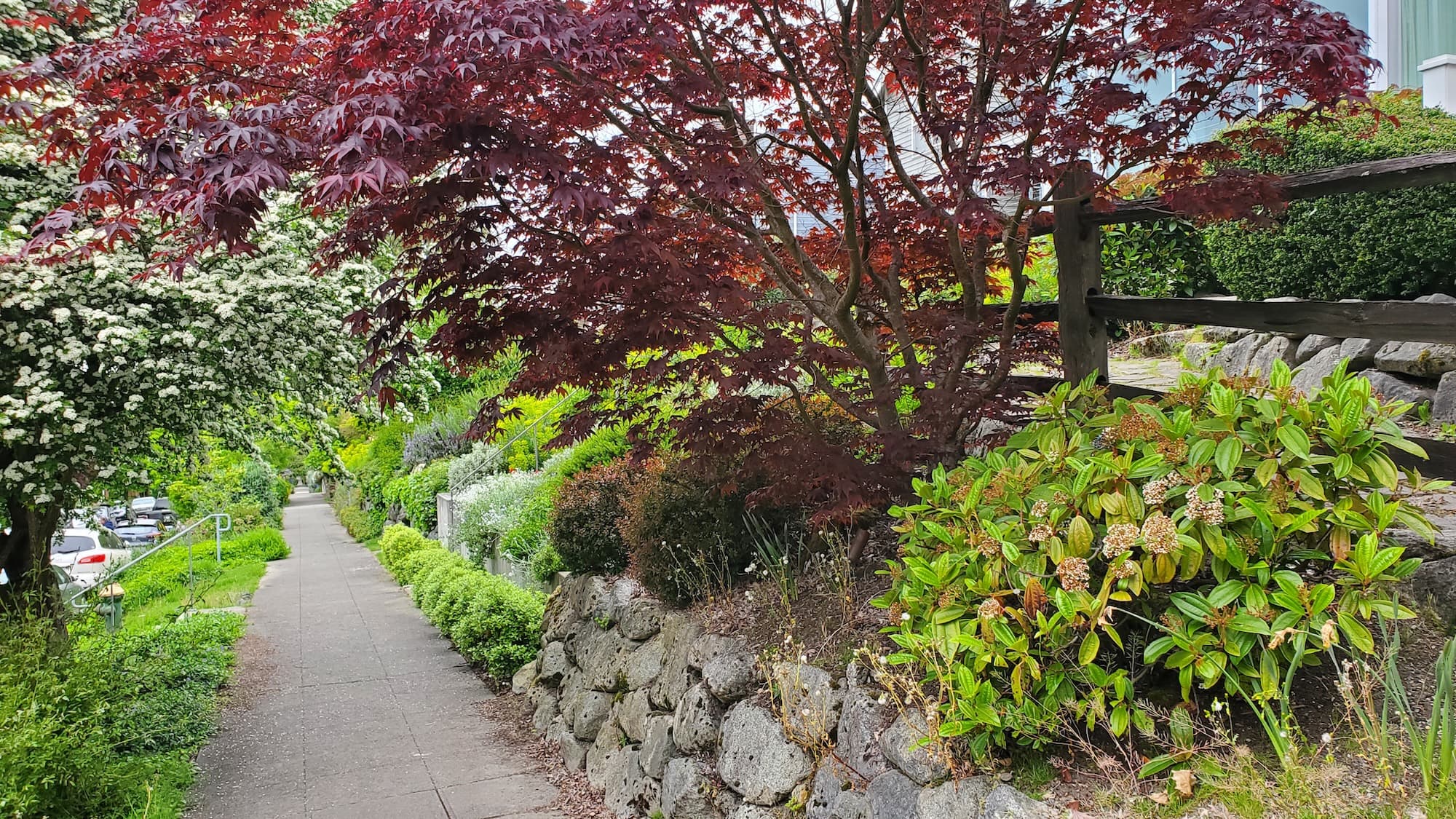
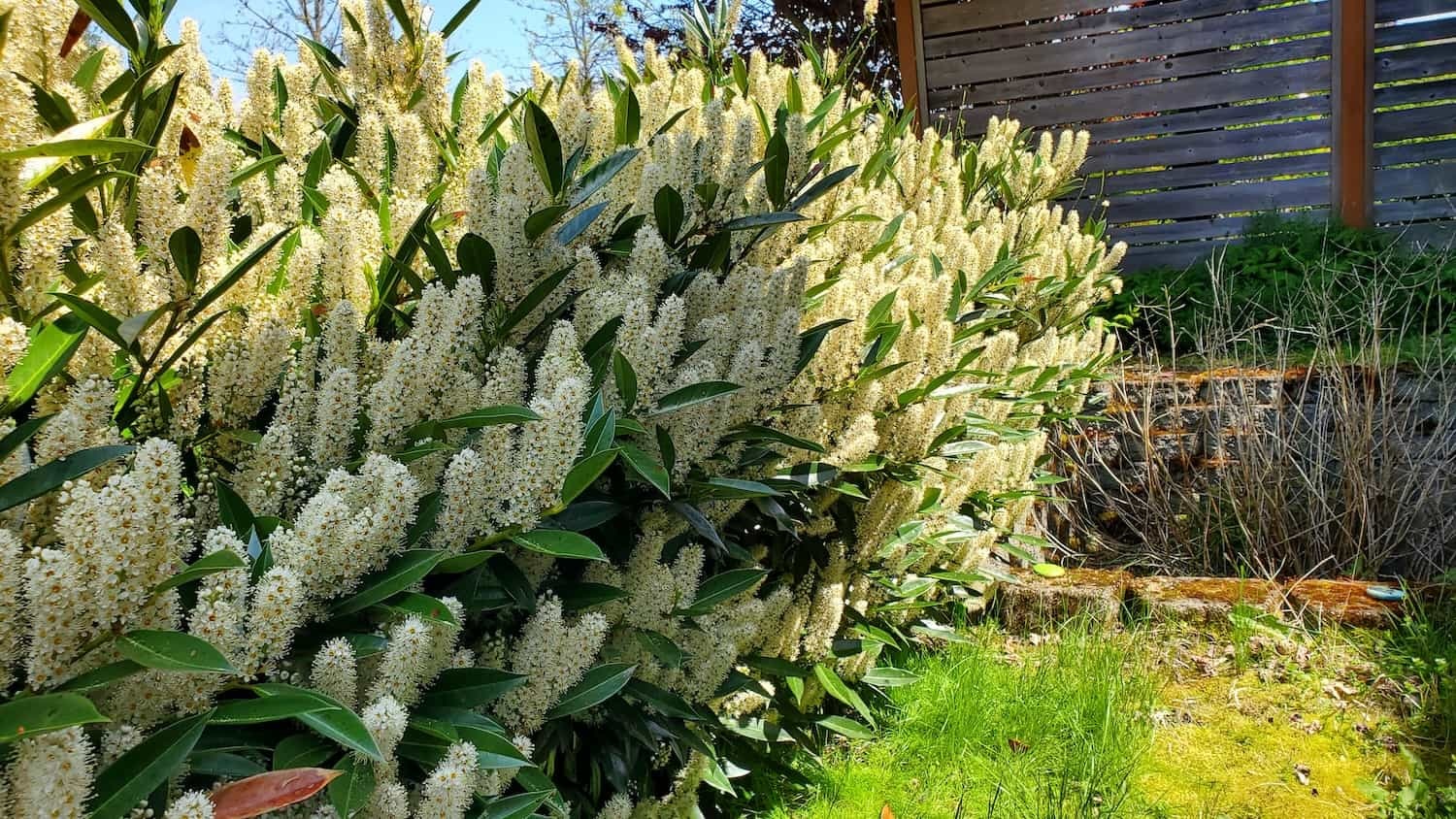
- Integrating with existing landscaping for aesthetic appeal
Key Benefits
- Improved Appearance: A well-designed system can blend seamlessly into your landscape.
- Durability: Quality materials ensure long-lasting performance.
- Safety: Proper installation reduces standing water and mosquito breeding.
- Eco-Friendly Options: Reduces reliance on municipal water supplies and conserves resources.
Why Hire a Pro
While DIY can be tempting, hiring a professional offers several advantages:
- Local Expertise: Knowledge of regional regulations and weather patterns.
- Licensed & Insured Crew: Peace of mind knowing the job is done safely and correctly.
- Professional Tools: Access to specialized equipment for efficient installation.
Our Approach
Step-by-Step Breakdown of Tasks
- Site Assessment: Evaluate your property to identify optimal locations for collection.
- Design Planning: Create a detailed plan that includes system layout, materials, and costs.
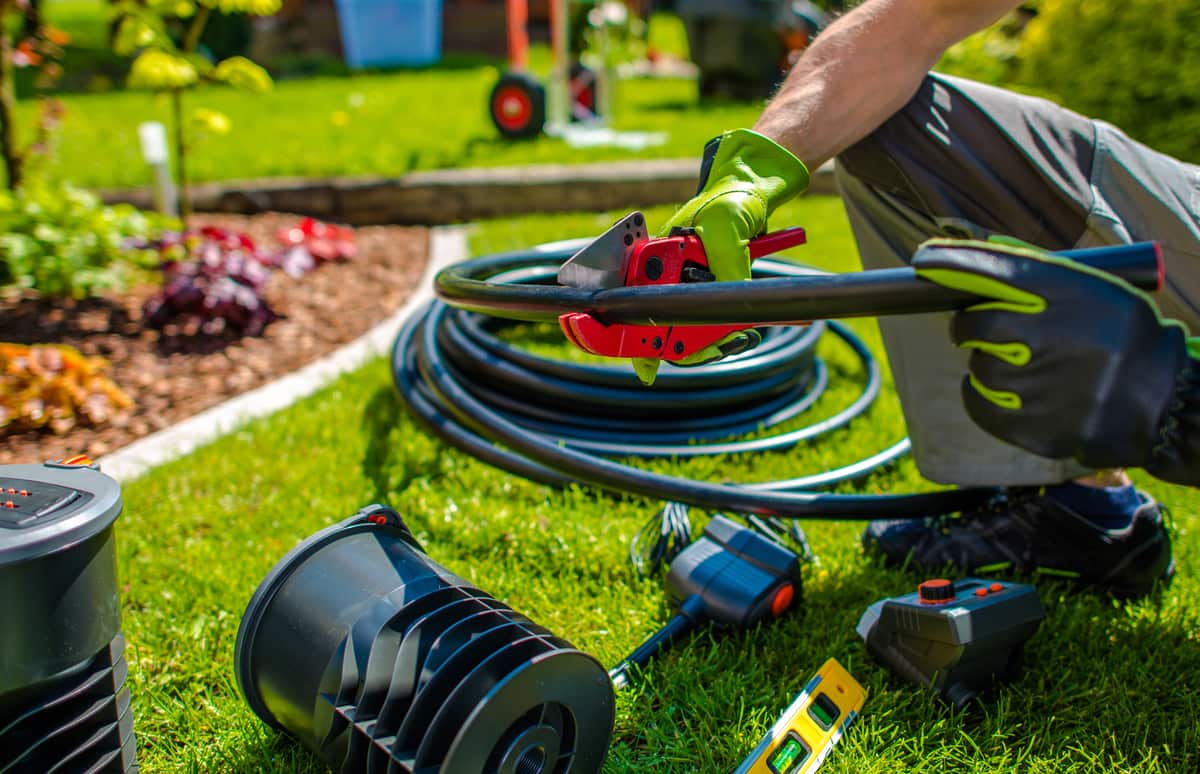
- Installation:
- Install gutters and downspouts to channel rainwater.
- Set up a storage tank (above or below ground).
- Implement a filtration system to ensure clean water.
- Integration with Landscaping: Use plants and hardscaping to enhance the system’s appearance.
- Final Checks: Ensure everything is functioning correctly and make adjustments as needed.
On-Site Expectations
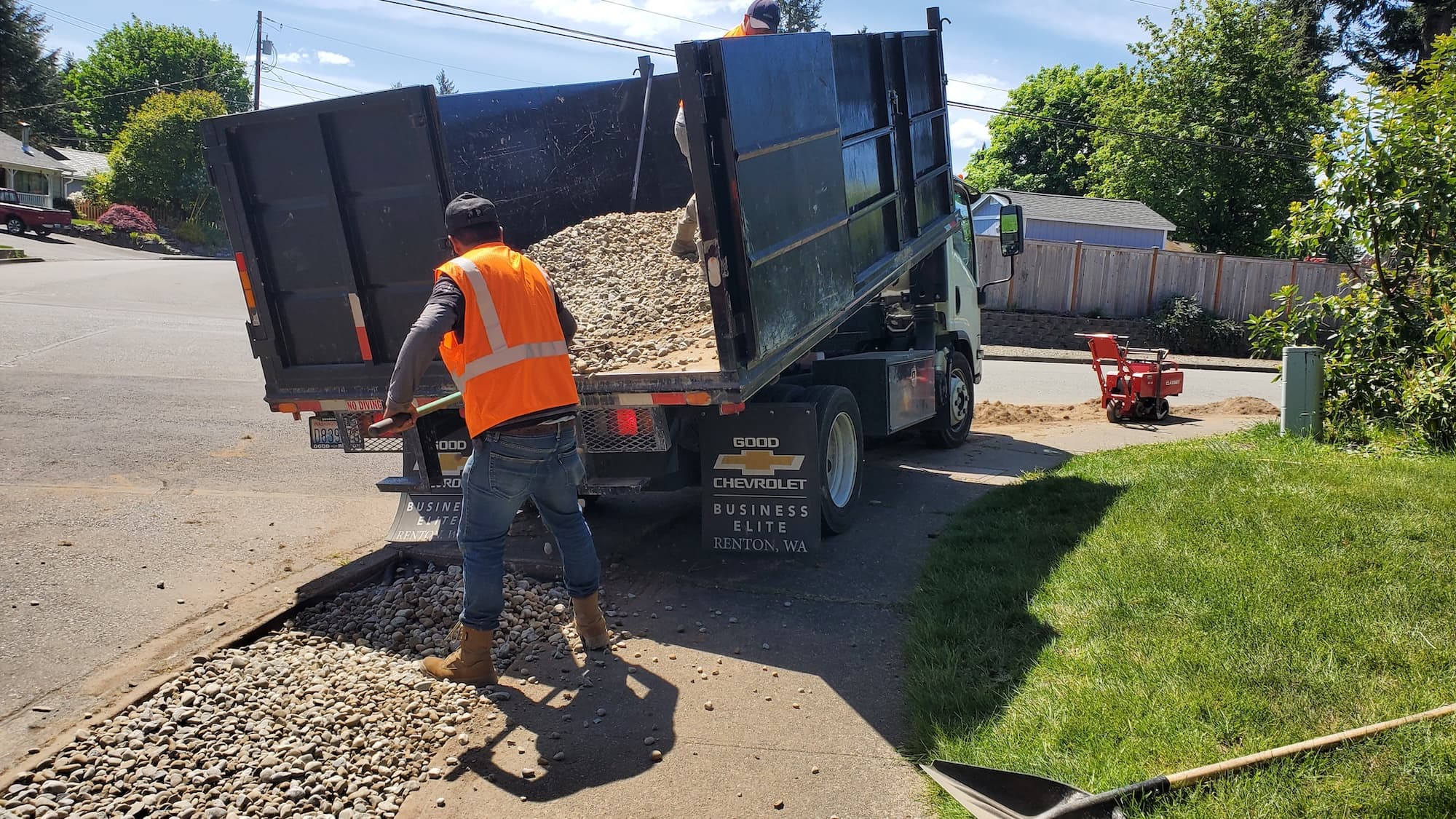
- The crew will arrive with all necessary tools and materials.
- Expect a clean and organized workspace.
- Communication is key; we’ll keep you updated on progress and any adjustments needed.
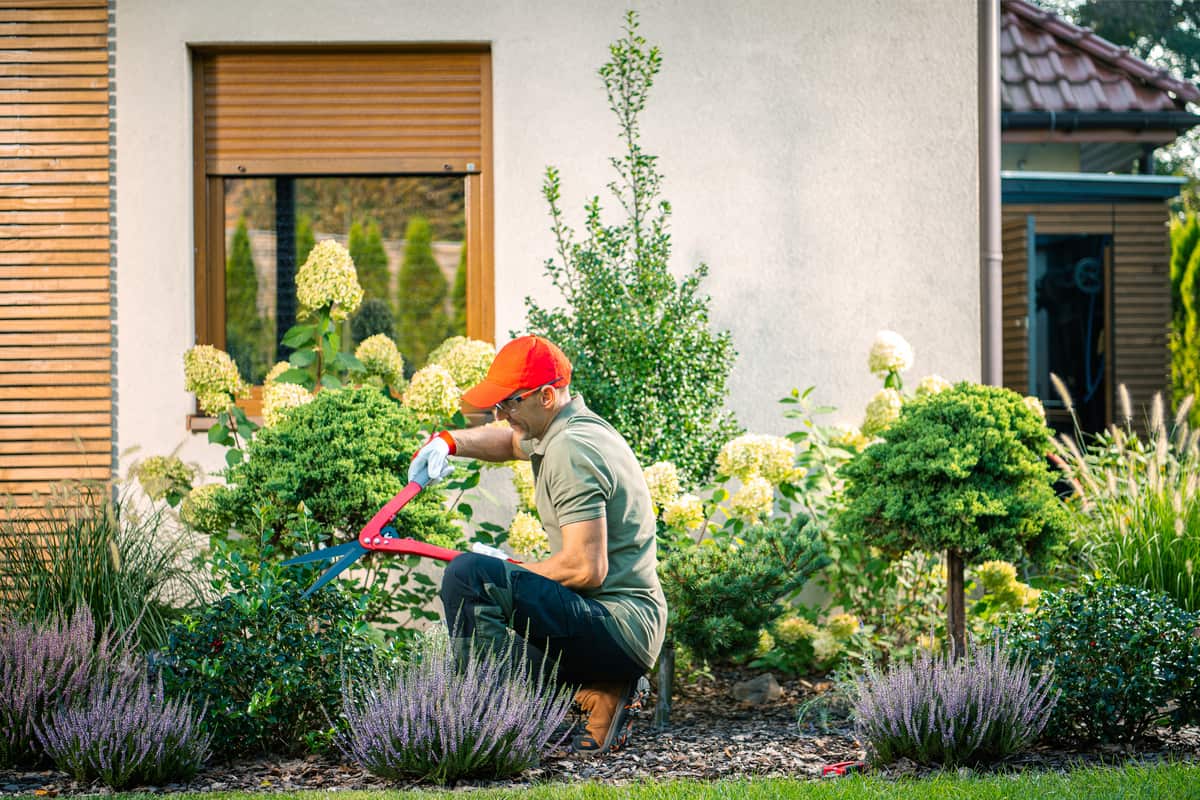
We’re a full-service landscaping and hardscaping crew. Our goal is to tidy your yard, protect your property, and give it lasting curb appeal.
Service Pricing
How Pricing Works
- Flat Rate vs. Custom: Basic installation may have a flat rate, but complex systems will be customized based on your needs.
- Variables Affecting Cost:
- Lot size and water catchment area
- Volume of debris and existing drainage issues
- Accessibility for equipment and crew
- Add-ons like advanced filtration or decorative elements
Additional Costs
- Taxes and Fees: Be aware of potential taxes on services and any dump fees for waste removal.
- Hauling Charges: If extra materials need to be transported, this may incur additional costs.
What’s Included
Core Services
- Assessment and Design: Initial evaluation and planning.
- Installation: Complete setup of the rainwater collection system.
- Filtration and Distribution: Ensuring clean water reaches your intended use areas.
Optional Extras
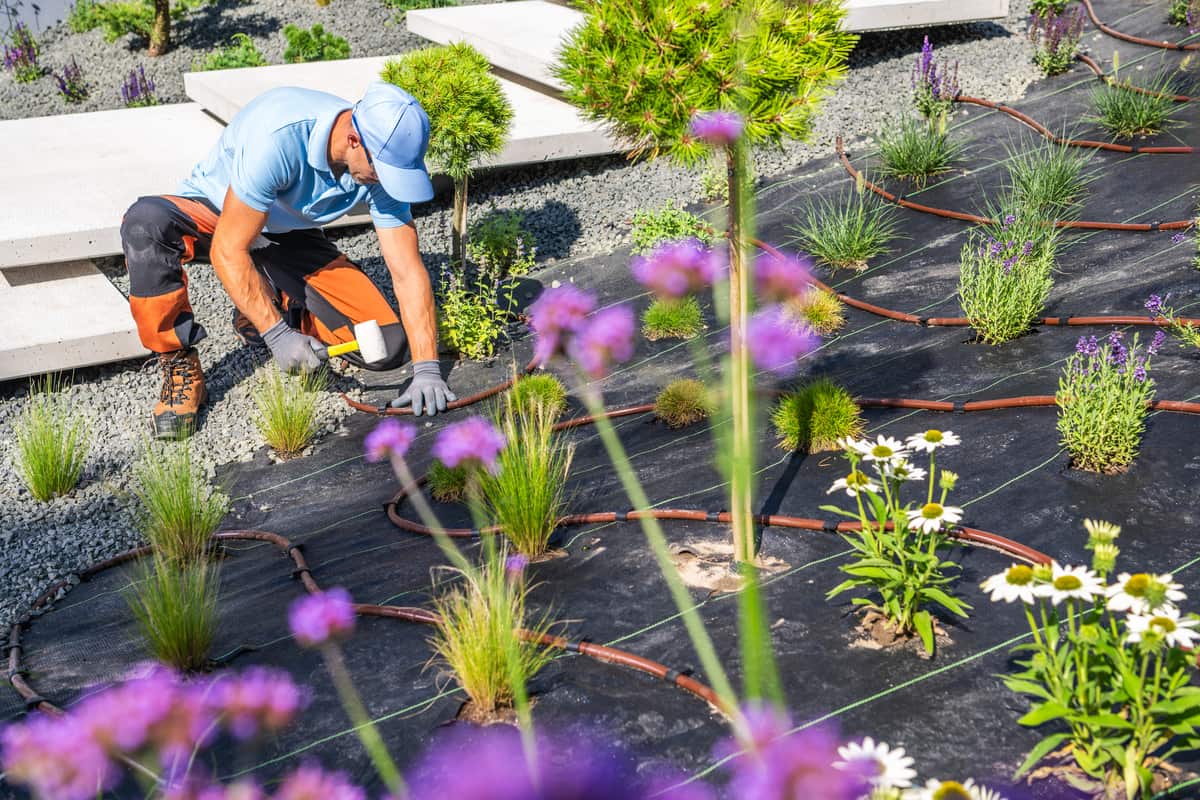
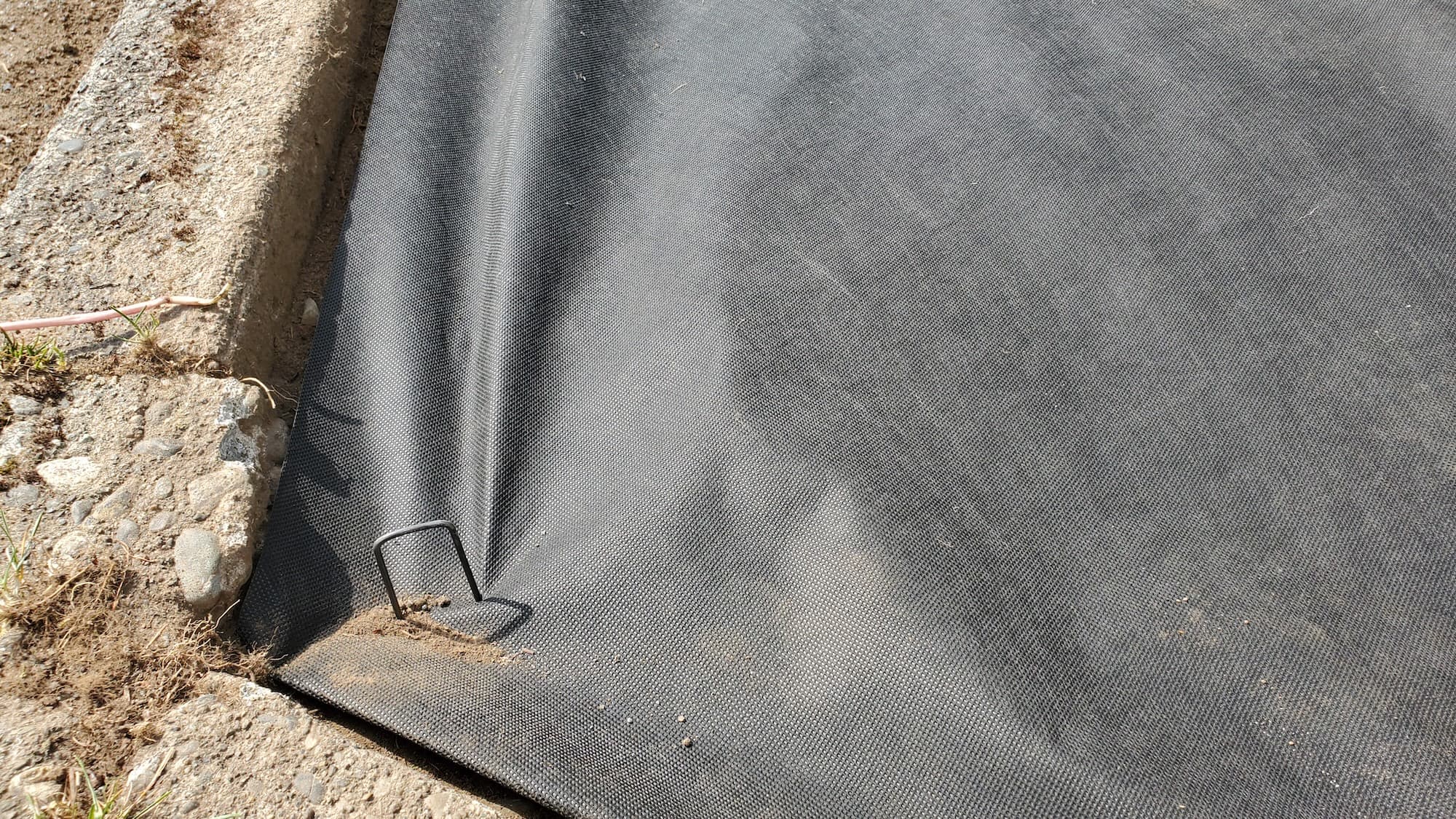
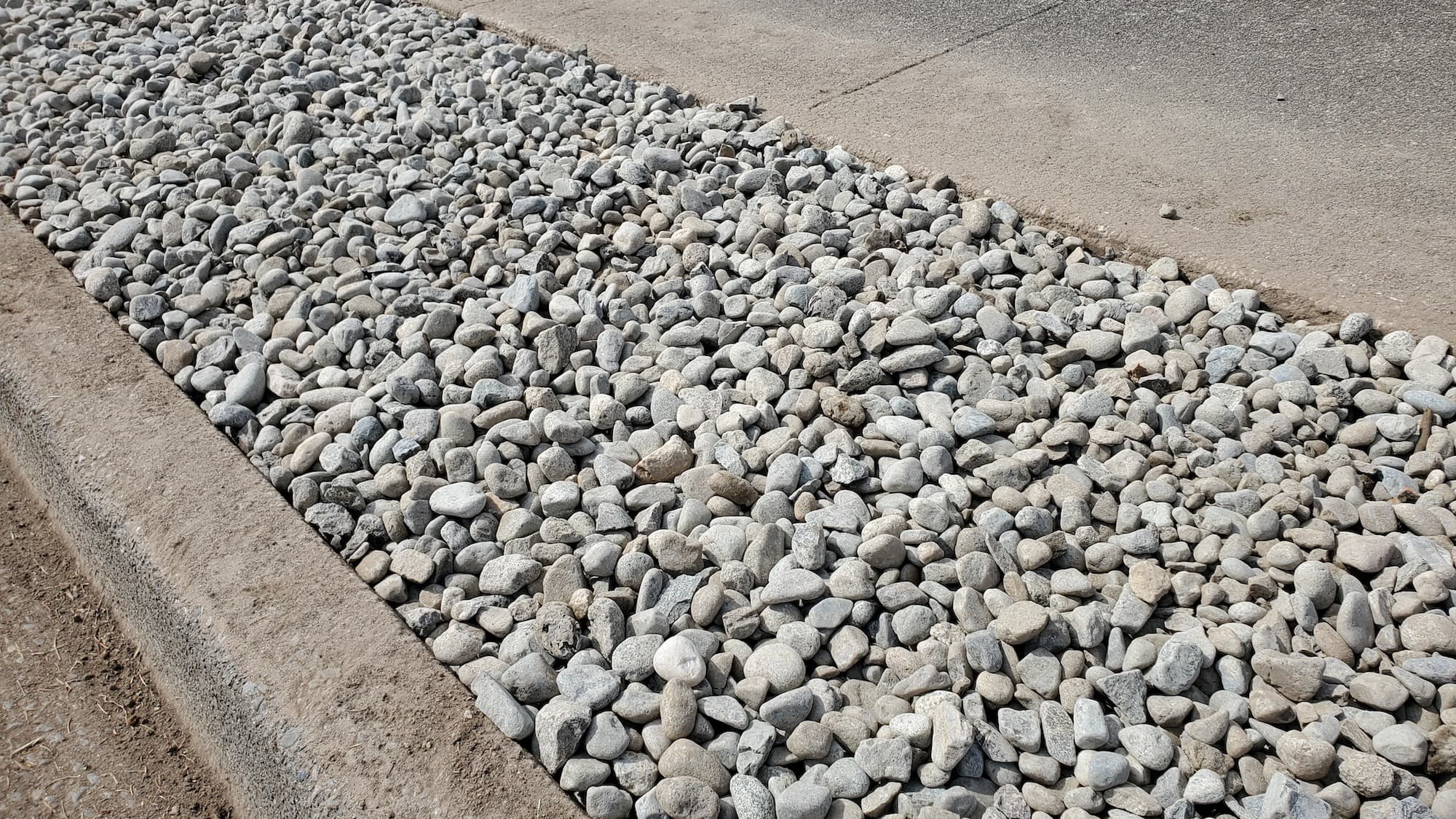
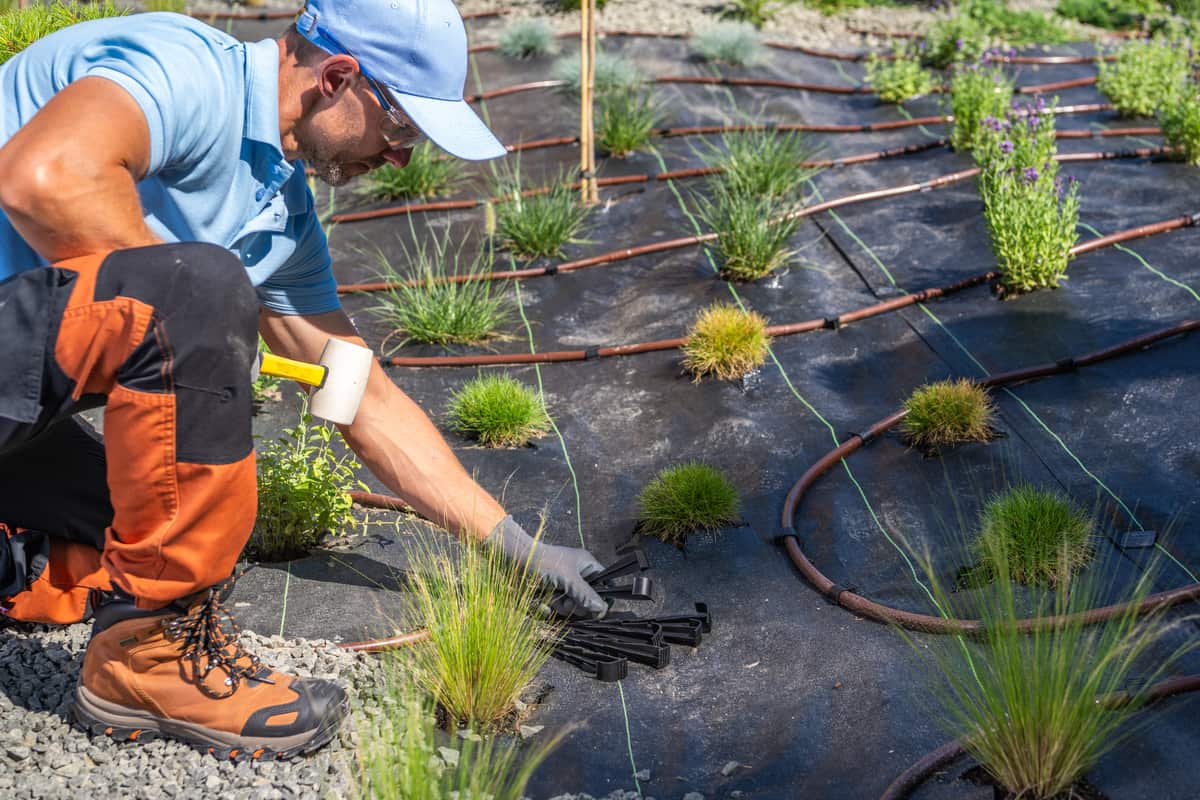
- Gravel and Landscape Fabric: Improve drainage around the system.
- Planting: Use native plants that thrive on harvested rainwater.
- Seasonal Upgrades: Adjustments for different seasons or water needs.
FAQs
Common Customer Concerns
- Scheduling: Typical installation takes 1-3 days, depending on complexity.
- Turnaround Time: Initial assessments can be scheduled within a week.
- Dump Fees: Discuss any potential fees during your consultation.
Add-Ons or Upgrades
- Exploring additional filtration options or automated distribution systems can enhance functionality.
Maintenance Tips
- Regularly inspect and clean gutters and filters.
- Check for leaks in the storage tank and repair promptly.
- Monitor plants to ensure they are thriving with the new water source.
Why Choose Lee’s General Landscaping
- Experienced local crew that works clean and efficiently.
- Licensed, bonded & insured for peace of mind.
- Hundreds of 5-star reviews across Yelp and Google.
Ready for a yard that stays neat?
Call or text Lee’s General Landscaping for a quick quote and a maintenance plan that fits your property.
⭐⭐⭐⭐⭐ 400+ Yelp Reviews • ⭐⭐⭐⭐⭐ 130+ Google Map Reviews
📧 Email: lees.g.landscaping@gmail.com
📞 Office: 206-259-7919
🕘 Hours: Mon–Sun: 9AM–6PM
🔒 Licensed • Bonded • Insured
DIY vs. Pro
While a DIY approach can save some money, consider the following:
- Time Commitment: Installation can take a weekend or more if you’re inexperienced.
- Skill Level: Mistakes can be costly and lead to system failures.
- Long-Term Value: A professional installation often results in a more efficient and durable system.
Common Mistakes
- Ignoring Local Regulations: Ensure you’re compliant with any local codes regarding rainwater harvesting.
- Poor Sizing of Components: An undersized tank or filter can lead to overflow or contamination.
- Neglecting Maintenance: Regular upkeep is crucial for long-term success.
By following this guide, you’ll be well on your way to successfully integrating a rainwater harvesting system into your landscape, reaping the benefits of an eco-friendly and efficient water management solution.