Rain Sensor Installation for Irrigation Systems
If you’re tired of overwatering your garden or lawn, a rain sensor might be the perfect solution for you. Homeowners often face the challenge of managing irrigation systems efficiently, and without a rain sensor, it’s easy to waste water and money. Installing a rain sensor can enhance your property’s curb appeal, ensure safety by preventing flooding, and significantly lower maintenance costs. In this article, we’ll cover everything you need to know about installing a rain sensor for your irrigation system, including step-by-step instructions, tools and materials needed, and the benefits of hiring a professional.
Description
What the Service Includes
- Assessment of Your Current System: Evaluating your existing irrigation setup to determine the best type of rain sensor.
- Installation Process: Mounting the rain sensor, connecting it to the irrigation control system, and testing functionality.
- Calibration: Adjusting the sensor settings to ensure it responds to varying rainfall amounts effectively.
Key Benefits
- Improved Appearance: A well-watered lawn without puddles or dry patches enhances your home’s curb appeal.
- Durability: Protects your irrigation system from excessive wear and tear.
- Safety: Reduces the risk of flooding and water pooling, which can lead to slippery surfaces.
- Eco-Friendly: Conserves water, making your home more sustainable.
Why Hire a Pro
- Local Expertise: Professionals understand the best practices for your area’s climate and soil conditions.
- Licensed & Insured: Peace of mind knowing the job is done correctly and safely.
- Professional Tools: Access to specialized tools for efficient installation.
Our Approach
Step-by-Step Breakdown
Gather Tools & Materials:
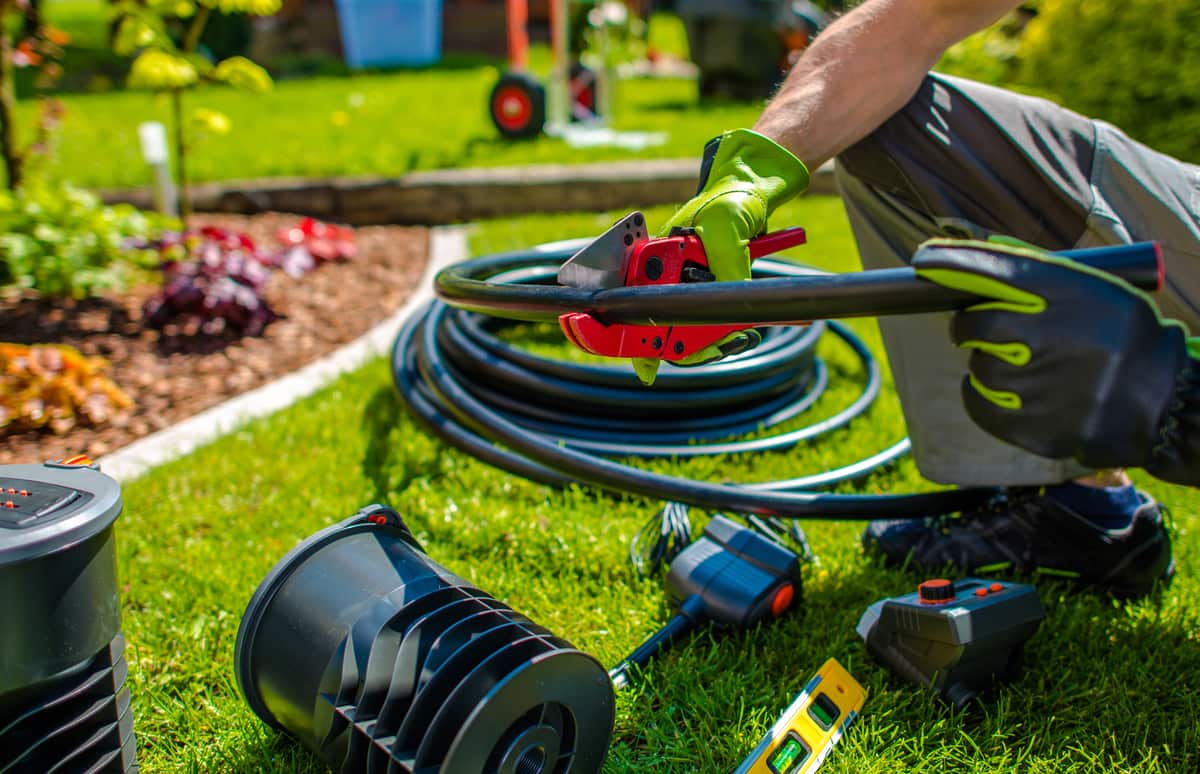
- Rain sensor kit
- Screwdriver
- Wire strippers
- Electrical tape
- Drill (if mounting on a hard surface)
- Waterproof connectors
Choose the Installation Location:
- Select a spot that is unobstructed by trees or buildings.
- Ensure it’s within reach of your irrigation control panel.
Mount the Sensor:
- Follow the manufacturer’s instructions for mounting.
- Use screws or adhesive to secure it in place.
Connect to the Irrigation System:
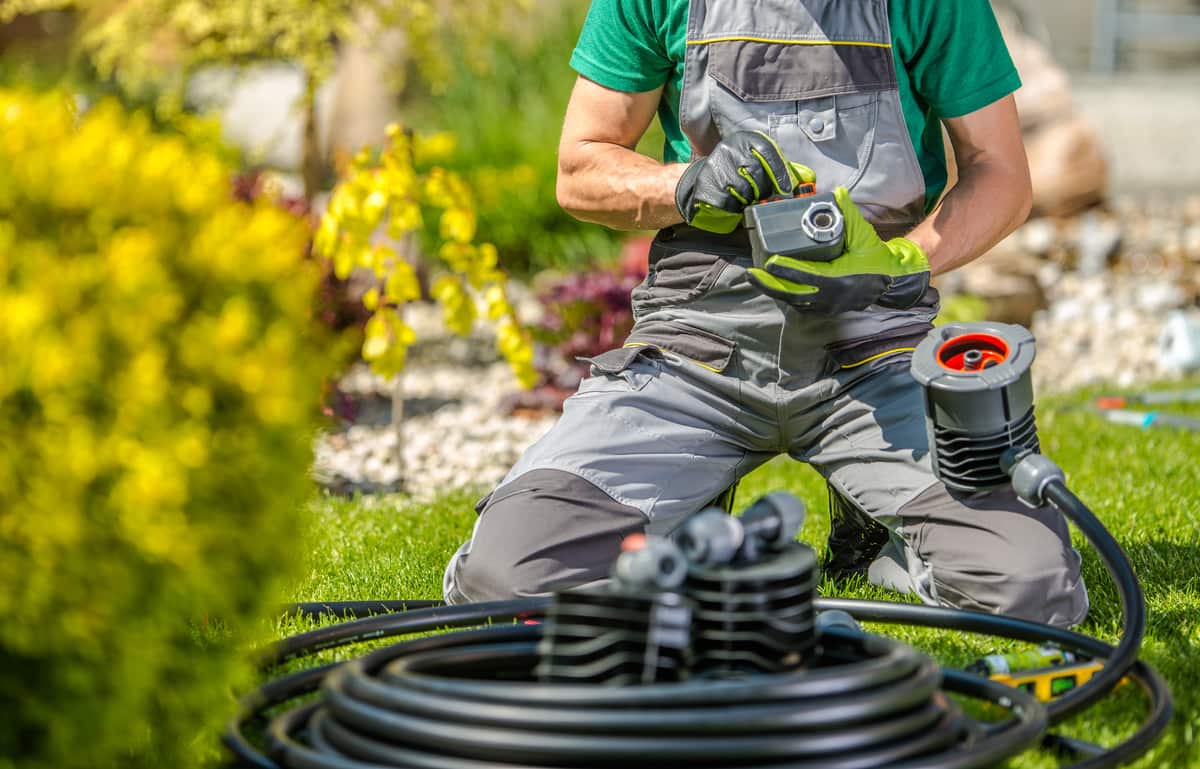
- Cut the wire to the appropriate length.
- Strip the ends and connect to the control panel using waterproof connectors.
Calibrate the Sensor:
- Set the rain threshold according to your preferences (typically between 1/8 to 1/2 inch of rain).
- Test the system to ensure it shuts off irrigation when it rains.
Final Check:
- Run a test cycle of your irrigation system to ensure everything is functioning correctly.
On-Site Expectations
- Our crew arrives on time, ready to work efficiently.
- We prioritize safety and cleanliness, ensuring your yard remains tidy throughout the installation.
We’re a full-service landscaping and hardscaping crew. Our goal is to tidy your yard, protect your property, and give it lasting curb appeal.
Service Pricing
Pricing Structure
- Flat Rate vs. Custom Pricing: Installation typically ranges from $150 to $500, depending on system complexity and location.
- Variables Affecting Cost:
- Lot size and existing irrigation system type
- Amount of debris or obstacles
- Access to the installation site
- Additional Charges: Be aware of possible tax, dump fees, or extra hauling charges if necessary.
What’s Included
Core Services
- Installation of rain sensor
- Basic system check and calibration
- Safety and functionality testing
Optional Extras
- Upgrading to a smart irrigation controller
- Adding soil moisture sensors for enhanced control
- Seasonal system checks and maintenance plans
FAQs
Common Customer Concerns
- Scheduling: Installation usually takes 1-2 hours, depending on the complexity.
- Turnaround Time: Most installations can be completed within a week of scheduling.
- Dump Fees: Typically not applicable unless additional debris removal is needed.
Maintenance Tips
- Regularly check the sensor for debris.
- Test functionality after heavy rain or storms.
- Adjust calibration settings as needed based on seasonal changes.
Why Choose Lee’s General Landscaping
- Experienced Local Crew: We work clean and efficiently, minimizing disruption to your property.
- Licensed, Bonded & Insured: Enjoy peace of mind knowing your investment is protected.
- Proven Track Record: Hundreds of 5-star reviews across Yelp and Google speak to our commitment to quality.
Ready for a yard that stays neat?
Call or text Lee’s General Landscaping for a quick quote and a maintenance plan that fits your property.
⭐⭐⭐⭐⭐ 400+ Yelp Reviews • ⭐⭐⭐⭐⭐ 130+ Google Map Reviews
📧 Email: lees.g.landscaping@gmail.com
📞 Office: 206-259-7919
🕘 Hours: Mon–Sun: 9AM–6PM
🔒 Licensed • Bonded • Insured
DIY vs. Pro
DIY Installation
- Pros: Save on labor costs, gain hands-on experience.
- Cons: May lack tools and expertise, potential for improper installation.
Professional Installation
- Pros: Quick, efficient, and guarantees proper setup.
- Cons: Higher upfront cost, but often results in long-term savings.
Common Mistakes
- Poor Location Choice: Installing the sensor in a shady area can lead to inaccurate readings.
- Skipping Calibration: Failing to set the rain threshold correctly can negate the sensor’s benefits.
- Neglecting Maintenance: Regular checks ensure the system operates effectively.
With a rain sensor, you can rest easy knowing your irrigation system is working smarter, not harder. Enjoy a lush, green landscape while saving water and reducing your maintenance efforts.