Rain sensor installation
Installing a rain sensor can feel like a daunting task for many homeowners. However, this small device can save you time, water, and money while enhancing your landscape’s health and appearance. The best part? Once installed, it helps automate your irrigation system, ensuring that your plants receive just the right amount of water, even when you’re not around. In this article, we’ll walk you through the process of rain sensor installation, covering everything from tools and materials to timelines, costs, and maintenance tips.
Description
What the Service Includes
- Assessment: Evaluate your irrigation system and the best location for the sensor.
- Installation: Mount the sensor and connect it to your irrigation system.
- Testing: Ensure the sensor works correctly and communicates with the controller.
- Instruction: Provide guidance on how to adjust settings for optimal performance.
Key Benefits
- Improved Appearance: A properly watered landscape looks lush and healthy.
- Durability: Prevent overwatering, which can damage plants and lead to soil erosion.
- Safety: Reduce the risk of mold and mildew from overly wet areas.
- Eco-Friendly: Conserve water and lower your utility bills.
Why Hire a Pro
- Local Expertise: Knowledge of local climate conditions and plant needs.
- Licensed & Insured: Protects you from potential liabilities.
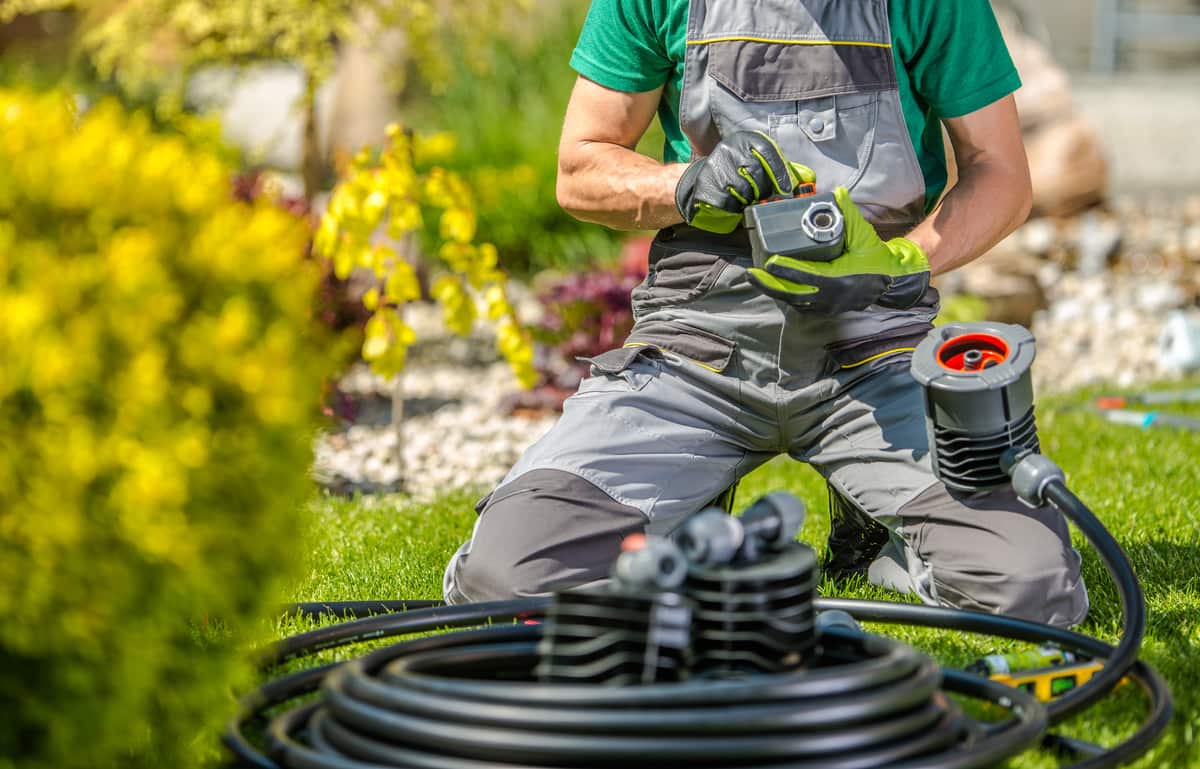
- Professional Tools: Access to the right tools ensures a clean and efficient installation.
Our Approach
Step-by-Step Breakdown of Tasks
Gather Tools and Materials:
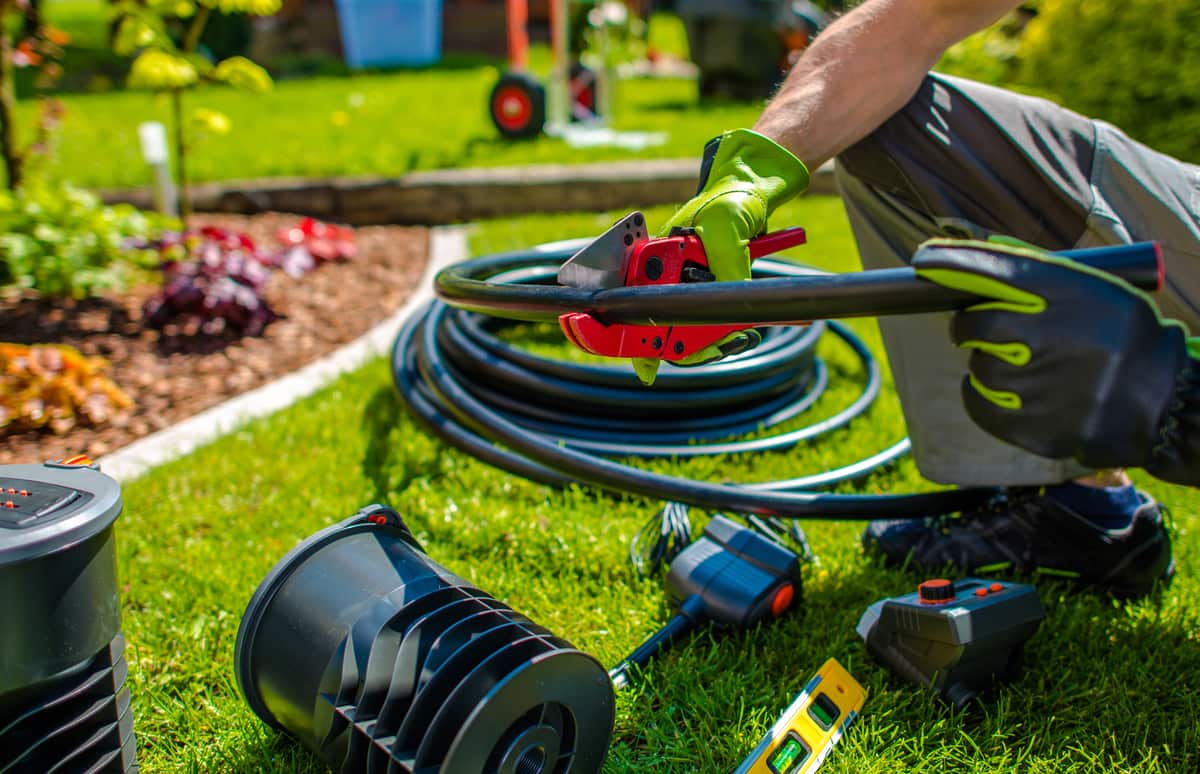
- Tools: Screwdriver, wire strippers, drill, level, measuring tape, and pliers.
- Materials: Rain sensor, mounting hardware, wire connectors, and electrical tape.
Choose the Right Location:
- Select a spot on your roof or an elevated area free from obstructions (trees, buildings).
- Ensure the sensor can receive direct rainfall to function effectively.
Mount the Sensor:
- Use a drill to secure the sensor to the chosen location.
- Ensure it’s level to accurately detect rainfall.
Connect the Wiring:
- Strip the wire ends and connect them to the irrigation controller according to the manufacturer’s instructions.
- Use wire connectors and electrical tape for secure connections.
Test the System:
- Activate the irrigation system to ensure the sensor communicates effectively.
- Adjust settings as necessary for optimal performance.
On-Site Expectations
- Our crew will arrive on time and ready to work.
- We prioritize safety and efficiency, ensuring minimal disruption to your yard.
- We’ll leave the site clean and tidy, just as we found it.
Service Pricing
Pricing Structure
- Flat Rate: Typically ranges from $100 to $300 for installation, depending on complexity.
- Custom Quotes: Based on yard size, sensor type, and additional features.
Variables Affecting Cost
- Lot Size: Larger properties may require more extensive wiring or additional sensors.
- Debris Volume: Clearing obstacles can add to the time and cost.
- Access: Difficult-to-reach areas may require special tools or additional labor.
- Add-Ons: Additional sensors or features (like smart technology) will increase costs.
Additional Charges
- Taxes, dump fees, or extra hauling charges may apply, depending on your location and the service.
What’s Included
Core Services
- Installation of the rain sensor.
- Basic system check and adjustments.
Optional Extras
- Additional sensors for larger properties.
- Smart irrigation system upgrades.
- Seasonal maintenance checks for your irrigation system.
FAQs
Common Customer Concerns
- Scheduling: We can often schedule installations within a week of your request.
- Turnaround Time: Most installations take about 1-2 hours, depending on the complexity.
- Dump Fees: Typically not applicable for rain sensor installations.
Maintenance Tips
- Regularly check the sensor for debris or blockages.
- Adjust the sensitivity settings based on seasonal rainfall patterns.
DIY vs. Pro
DIY
- Pros: Cost-saving, hands-on experience.
- Cons: Requires knowledge of electrical systems, risks of improper installation.
Pro
- Pros: Expertise ensures proper installation; saves you time and hassle.
- Cons: Higher upfront cost, but it pays off in efficiency and peace of mind.
Common Mistakes
- Poor Location: Installing in a shaded area can prevent accurate rainfall detection.
- Neglecting Connections: Failing to secure wiring can lead to malfunctions.
- Ignoring Manufacturer Instructions: Each sensor has specific installation requirements.
Why Choose Lee’s General Landscaping
- Experienced Local Crew: We know the ins and outs of local climates and plants.
- Licensed, Bonded & Insured: Your peace of mind is our priority.
- Hundreds of 5-Star Reviews: Our customers trust us for quality and reliability.
Ready for a yard that stays neat?
Call or text Lee’s General Landscaping for a quick quote and a maintenance plan that fits your property.
⭐⭐⭐⭐⭐ 400+ Yelp Reviews • ⭐⭐⭐⭐⭐ 130+ Google Map Reviews
📧 Email: lees.g.landscaping@gmail.com
📞 Office: 206-259-7919
🕘 Hours: Mon–Sun: 9AM–6PM
🔒 Licensed • Bonded • Insured