Ivy cutback for fences, walls, and groundcover control
Ivy can be a beautiful addition to your landscape, but it can quickly become a nuisance if left unchecked. Invasive growth can damage fences, walls, and other structures while making your yard look unkempt. The best solution? A thorough ivy cutback. This essential maintenance task not only enhances your property’s curb appeal but also improves safety and reduces ongoing maintenance. In this article, you’ll learn the step-by-step process for cutting back ivy, the tools you’ll need, and how to decide whether to tackle it yourself or call in the pros.
Description
Ivy cutback involves trimming back overgrown ivy from fences, walls, and groundcover areas. This service typically includes:
- Assessment: Evaluating the extent of ivy growth and identifying areas needing attention.
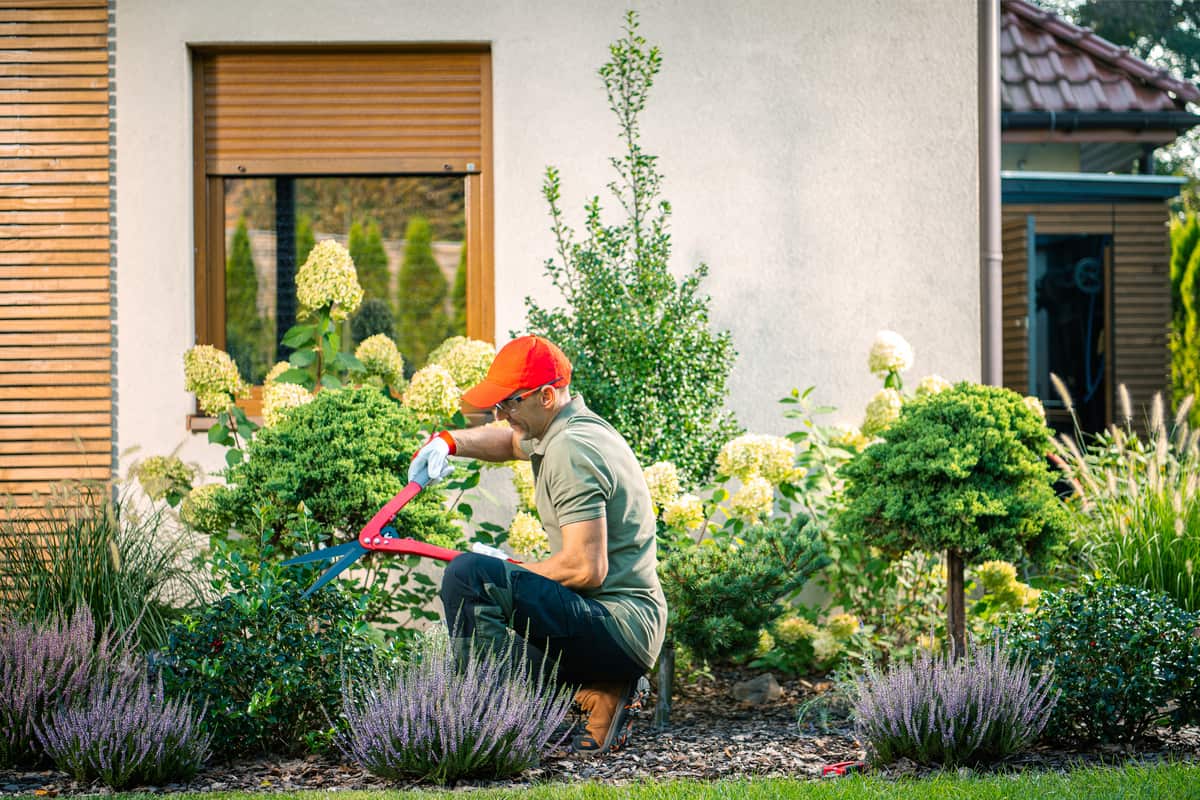
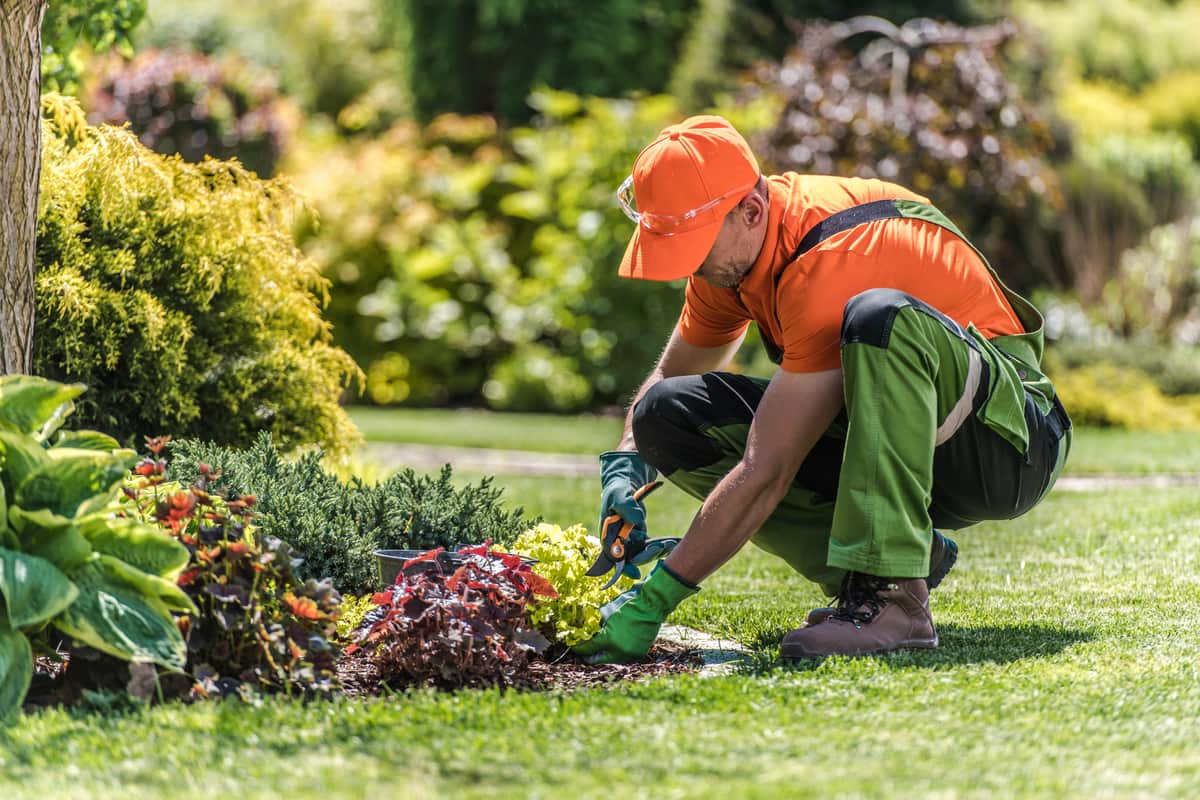
- Trimming: Cutting back ivy to prevent it from damaging structures.
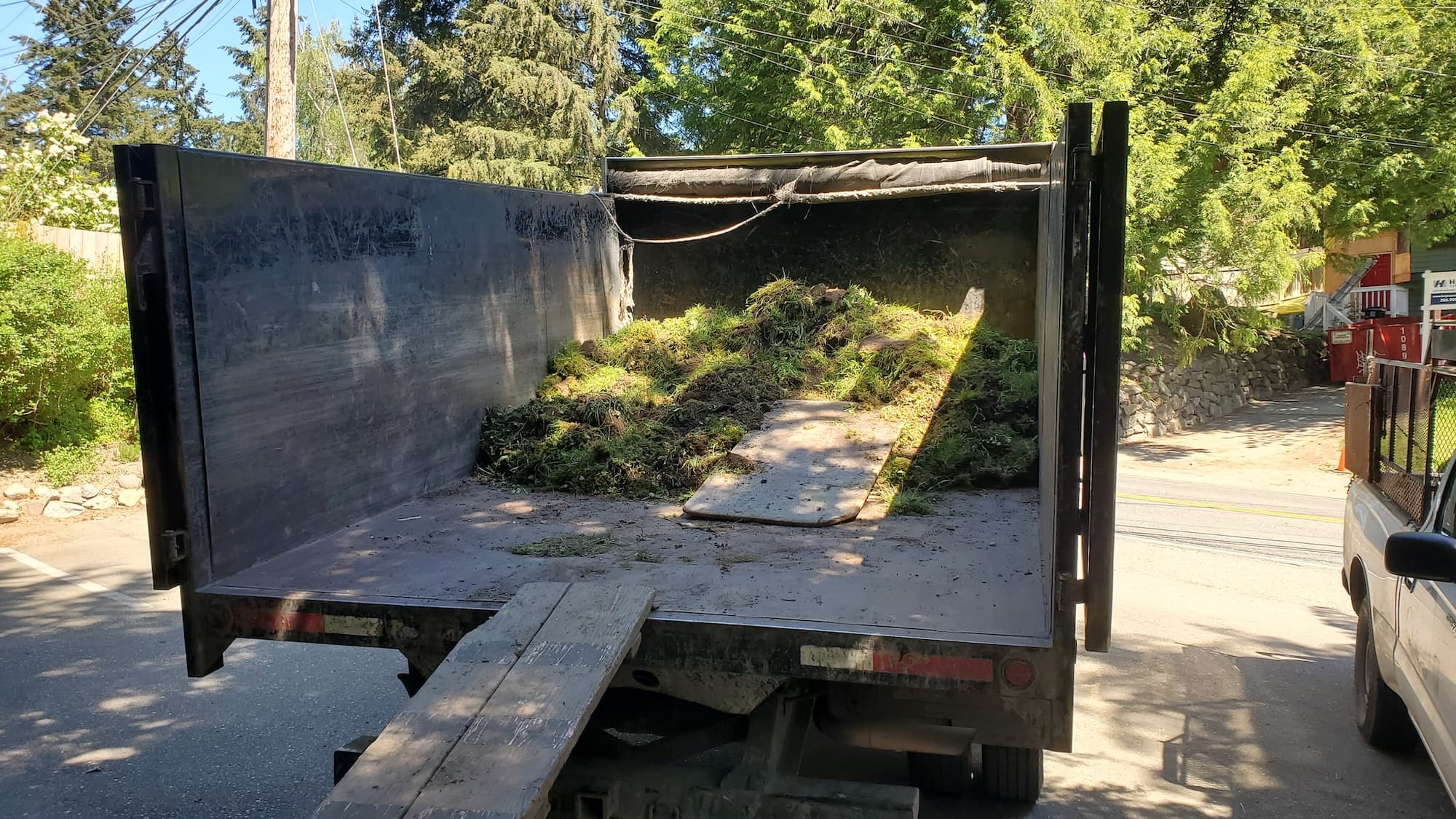
- Removal: Disposing of cuttings and debris to clear your landscape.
Key Benefits:
- Improved Appearance: A tidy yard enhances your home’s curb appeal.
- Durability: Regular maintenance helps protect fences and walls from damage.
- Safety: Reduces the risk of ivy-related injuries or property damage.
- Eco-Friendly Options: Many landscaping services offer sustainable practices.
Why Hire a Pro:
- Local Expertise: Professionals understand the best practices for your specific region.
- Licensed & Insured Crew: Peace of mind knowing the job is handled safely and correctly.
- Professional Tools: Access to specialized equipment ensures a thorough job.
Our Approach
Here’s how we tackle ivy cutback in a few simple steps:
Step-by-Step Breakdown:
- Assess the Area: Walk through the property to identify overgrown ivy spots and potential hazards.
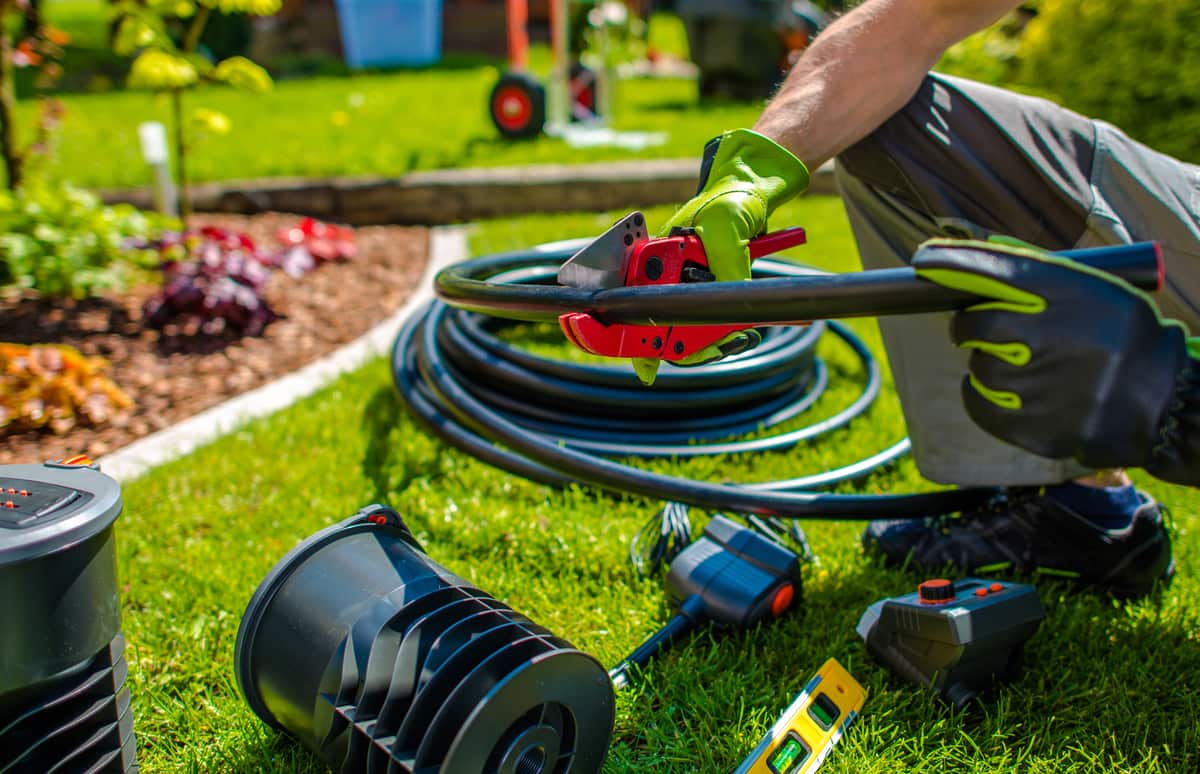
- Gather Tools: Collect necessary equipment—pruning shears, loppers, gloves, and trash bags.
- Trim the Ivy:
- Start at the top of walls or fences, cutting back ivy to about 6 inches above the ground.
- For groundcover, trim back to the desired level, taking care not to damage surrounding plants.
- Remove Cuttings: Gather and dispose of cuttings to prevent regrowth.
- Clean Up: Rake the area free of debris and ensure all tools are cleaned and stored.
What Homeowners Can Expect:
- Efficiency: Our crew works quickly and methodically to minimize disruption.
- Safety: We take precautions to ensure the safety of your property and our team.
- Long-lasting Results: Regular cutbacks can keep ivy at bay, enhancing your landscape over time.
We’re a full-service landscaping and hardscaping crew. Our goal is to tidy your yard, protect your property, and give it lasting curb appeal.
Service Pricing
Pricing for ivy cutback services can vary based on several factors:
- Flat Rate vs. Custom: Some companies offer flat rates for small jobs, while larger or more complex jobs may require a custom quote.
- Variables:
- Lot Size: Larger areas take more time and resources.
- Debris Volume: Heavily overgrown areas require more disposal effort.
- Access: Hard-to-reach areas may increase labor time and costs.
- Additional Fees: Be mindful of potential tax, dump fees, or costs for extra hauling.
What’s Included
When you hire a professional service for ivy cutback, expect these core services:
- Trimming: Cutting back ivy to manageable levels.
- Edging: Defining borders to prevent overgrowth into unwanted areas.
- Weeding: Removing unwanted plants that compete with ivy.
- Mulching: Applying mulch to suppress regrowth and retain moisture.
Optional Extras:
- Gravel: For better drainage around structures.
- Landscape Fabric: To prevent weed growth beneath new plantings.
- Planting: Adding new plants or flowers for enhanced aesthetics.
- Seasonal Upgrades: Offering seasonal maintenance packages for ongoing care.
FAQs
Common Customer Concerns:
- Scheduling: We typically operate on a flexible schedule, accommodating your availability.
- Turnaround Time: Most jobs can be completed within a day, depending on size.
- Dump Fees: We inform you upfront about any potential disposal charges.
Maintenance Tips:
- Regular Check-ups: Schedule annual ivy cutbacks to keep growth manageable.
- Mulching: Apply mulch post-cutback to suppress weeds and retain moisture.
- Monitor Growth: Keep an eye on ivy regrowth and address it promptly.
Why Choose Lee’s General Landscaping
- Experienced Local Crew: Our team is skilled and familiar with local flora and fauna.
- Licensed, Bonded & Insured: We prioritize safety and professionalism.
- Hundreds of 5-Star Reviews: Our reputation speaks for itself across platforms like Yelp and Google.
Ready for a yard that stays neat?
Call or text Lee’s General Landscaping for a quick quote and a maintenance plan that fits your property.
⭐⭐⭐⭐⭐ 400+ Yelp Reviews • ⭐⭐⭐⭐⭐ 130+ Google Map Reviews
📧 Email: lees.g.landscaping@gmail.com
📞 Office: 206-259-7919
🕘 Hours: Mon–Sun: 9AM–6PM
🔒 Licensed • Bonded • Insured
DIY vs. Pro
While cutting back ivy can be a DIY project, consider these points:
- Skill Level: If you’re comfortable using tools and managing plant growth, you might handle it yourself.
- Time Commitment: DIY can be time-consuming; professionals can often complete the task faster.
- Safety Risks: If ivy is growing on high walls or near power lines, hiring a pro is safer.
Common Mistakes
- Cutting Too Much: Avoid cutting ivy too short; it can stress the plant and lead to poor recovery.
- Ignoring Roots: Failing to remove roots can lead to regrowth; ensure you trim at the base.
- Neglecting Clean-Up: Leaving debris can lead to new growth and pests.
By following these guidelines, you can keep your ivy in check, enhancing both the beauty and safety of your property. Whether you choose to DIY or hire a pro, the right approach will lead to a cleaner, more appealing landscape.