Hydroponic Irrigation Setup
Setting up a hydroponic irrigation system can feel like a daunting task for homeowners looking to cultivate a thriving garden without the hassle of traditional soil gardening. However, the benefits are numerous: increased curb appeal, reduced maintenance, and a more eco-friendly approach to growing plants. This article will guide you through the process of setting up a hydroponic irrigation system, detailing the tools you’ll need, the steps to follow, and considerations for both DIYers and those who may prefer hiring a professional.
Description
A hydroponic irrigation setup involves creating a soil-less growing environment where plants receive nutrients directly from a water solution. This service typically includes:
- Site Assessment: Evaluating the area for sunlight, space, and water access.
- System Design: Choosing the right hydroponic system (e.g., NFT, DWC, or aeroponics).
- Installation: Setting up the necessary components, including reservoirs, pumps, and grow lights.
- Nutrient Delivery: Installing a nutrient solution delivery system.
Key Benefits
- Improved Appearance: A well-designed hydroponic garden can enhance your property’s aesthetics.
- Durability: Hydroponic systems are designed to be long-lasting and efficient.
- Safety: Reduces the risk of soil-borne pests and diseases.
- Eco-Friendly: Uses less water than traditional gardening methods.
Why Hire a Pro
While DIY is an option, hiring a professional ensures you benefit from local expertise, licensed and insured crews, and access to professional-grade tools.
Our Approach
Step-by-Step Breakdown
Site Assessment
- Identify the best location for your hydroponic setup.
- Check access to water and electricity.
Choose Your Hydroponic System
- Decide between options like Nutrient Film Technique (NFT), Deep Water Culture (DWC), or aeroponics based on your space and plant types.
Gather Tools & Materials
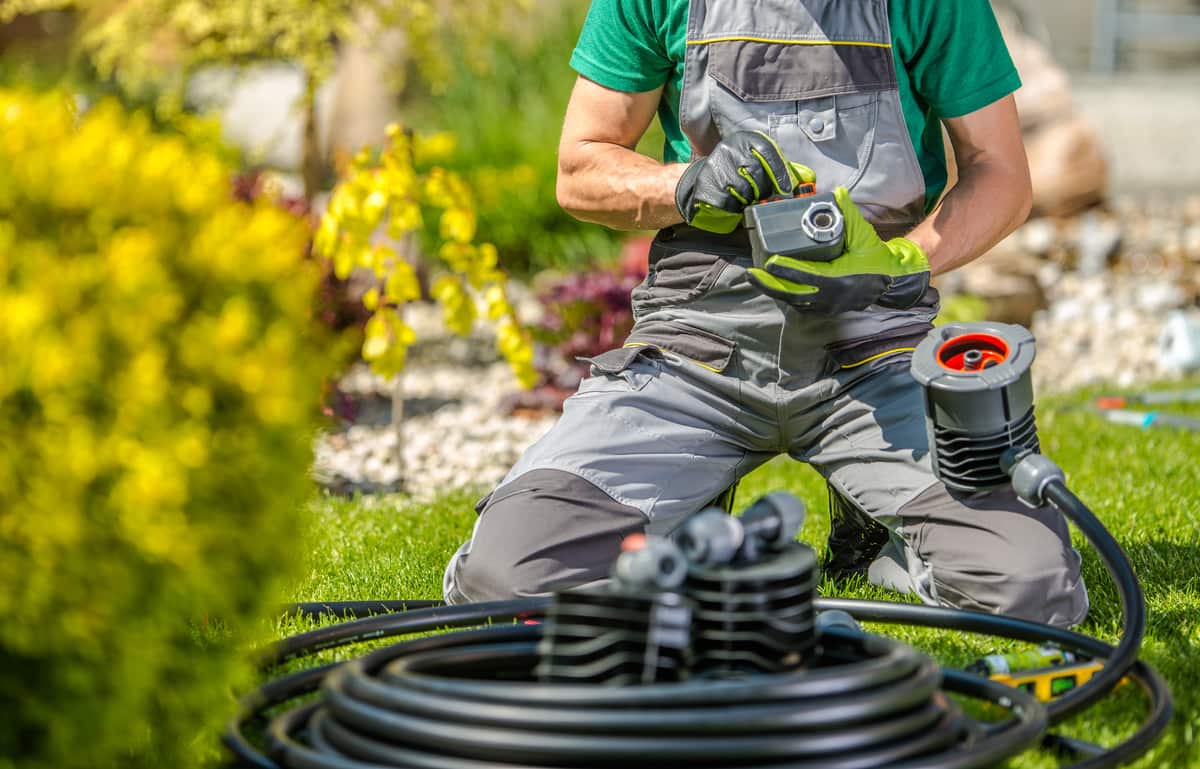
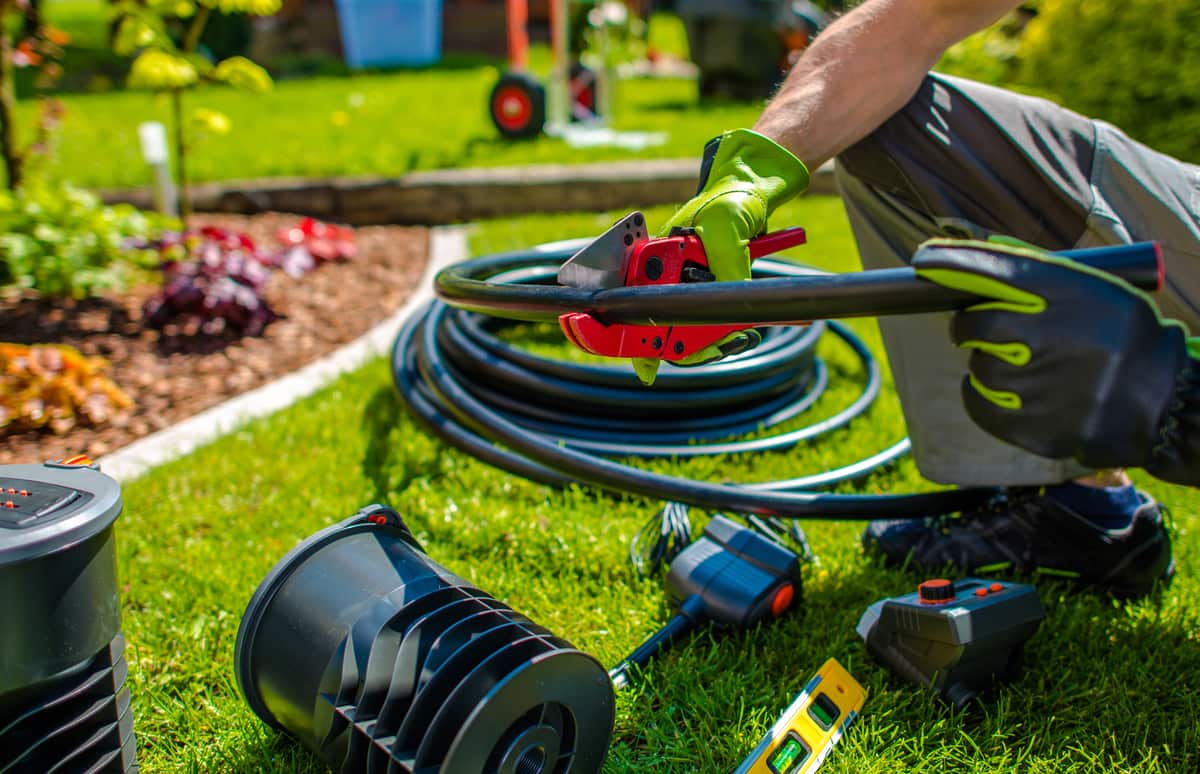
- Tools: Drill, PVC cutter, wrenches, measuring tape, level.
- Materials: PVC pipes, reservoir tank, submersible pump, air pump, air stones, nutrient solution, grow lights, timers, and plants.
Install the System
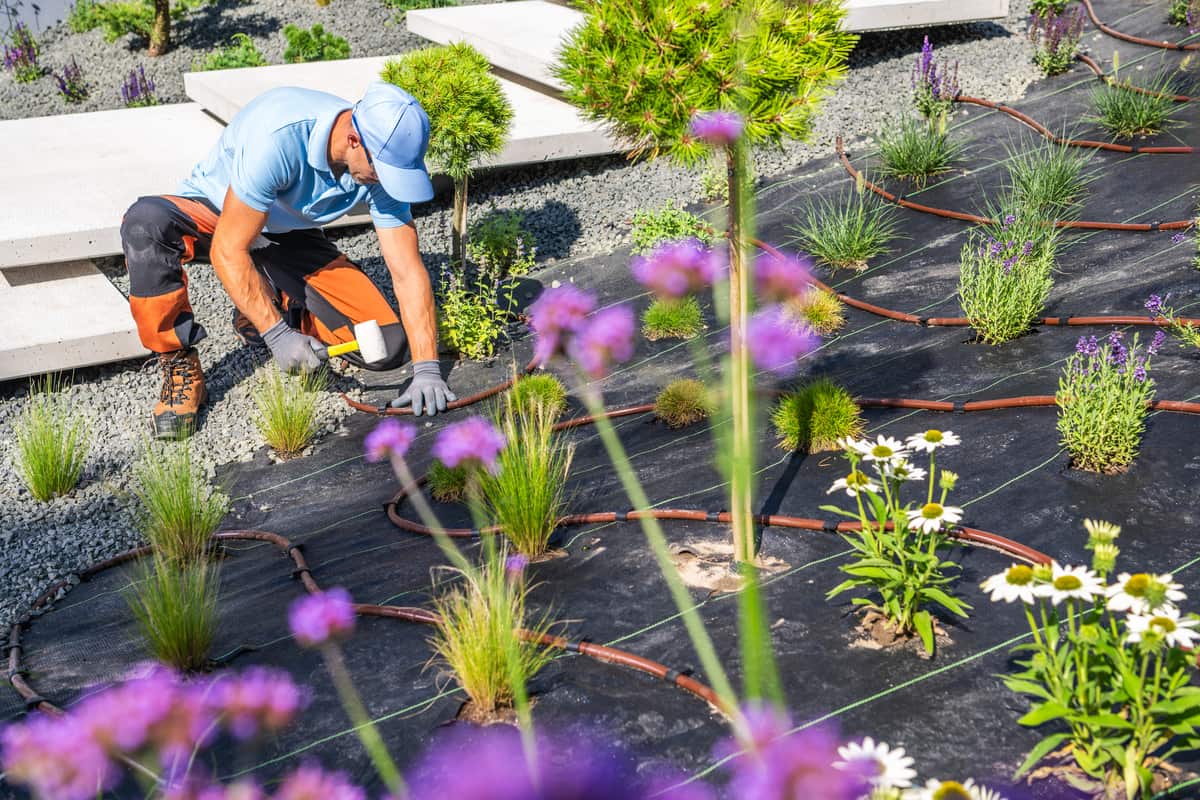
- Set up the reservoir and connect the pump.
- Assemble the hydroponic system based on your chosen method.
- Install grow lights if necessary.
Nutrient Solution Mixing
- Prepare your nutrient solution according to the manufacturer’s instructions.
- Fill the reservoir with water and add nutrients.
Test the System
- Run the pump to check for leaks and ensure proper nutrient delivery.
- Adjust the pH levels to ensure optimal plant growth.
Plant Your Crops
- Start with seedlings or seeds depending on your chosen plants.
- Monitor growth and adjust nutrient levels as needed.
What to Expect
When you hire a professional crew, you can expect efficient installation, clear communication, and long-lasting results. They will handle all the heavy lifting and technical aspects, leaving you to enjoy your new garden.
Service Pricing
Pricing for hydroponic irrigation setups can vary widely based on several factors:
- Flat Rate vs. Custom: Some services offer flat rates for standard setups, while custom installations may be priced based on your specific needs.
- Variables: Lot size, complexity of the system, accessibility, and additional features (like grow lights) can all influence costs.
- Additional Charges: Be aware of potential extra charges for taxes, dump fees, or hauling if materials need to be disposed of.
Realistic Cost Ranges
- Basic DIY setup: $200 - $500
- Professional installation: $1,000 - $3,000, depending on system complexity.
What’s Included
Core Services
- Initial consultation and site assessment.
- Complete installation of the hydroponic system.
- Instruction on how to maintain the system.
Optional Extras
- Upgraded nutrient solutions.
- Additional grow lights or environmental controls.
- Seasonal planting services.
FAQs
Common Customer Concerns
- Scheduling: Installation can typically be completed within 1-3 days, depending on complexity.
- Turnaround Time: Expect your plants to start showing growth in 1-2 weeks.
- Maintenance Costs: Regular maintenance may require additional investment for nutrients and repairs.
Maintenance Tips
- Regularly check pH and nutrient levels.
- Clean the system every few months to prevent algae buildup.
- Monitor plant health and adjust nutrient delivery as needed.
DIY vs. Pro
DIY: If you have experience with home improvement projects and are comfortable with plumbing and electrical work, a DIY hydroponic setup can save you money. However, it requires research and a time investment.
Pro: Hiring a professional means you can focus on enjoying your garden while ensuring everything is set up correctly. Pros bring expertise and can troubleshoot issues that may arise.
Common Mistakes
- Ignoring pH Levels: Not monitoring pH can lead to nutrient lockout.
- Over or Under-Watering: Finding the right balance is crucial for plant health.
- Neglecting Light Requirements: Plants need adequate light to thrive; don’t skimp here.
Why Choose Lee’s General Landscaping
With our experienced local crew, you can expect a clean and efficient installation. We are licensed, bonded, and insured, providing peace of mind. Our hundreds of 5-star reviews across Yelp and Google speak to our commitment to quality service.
Ready for a yard that stays neat?
Call or text Lee’s General Landscaping for a quick quote and a maintenance plan that fits your property.
⭐⭐⭐⭐⭐ 400+ Yelp Reviews • ⭐⭐⭐⭐⭐ 130+ Google Map Reviews
📧 Email: lees.g.landscaping@gmail.com
📞 Office: 206-259-7919
🕘 Hours: Mon–Sun: 9AM–6PM
🔒 Licensed • Bonded • Insured