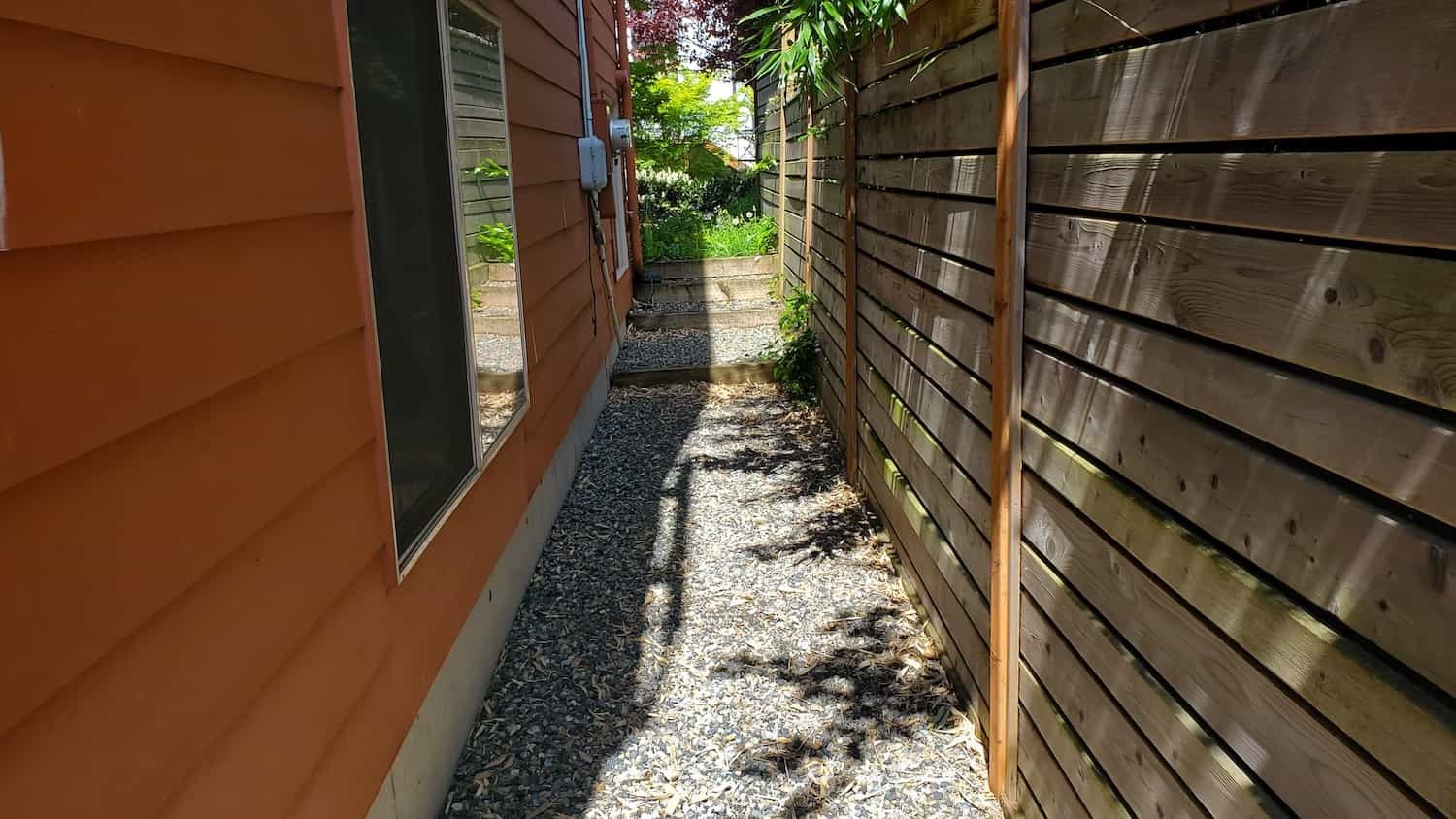
Cut back perennials in fall and spring
As a homeowner, you want your garden to look its best year-round, but managing perennials can be a challenge. Cutting back these plants at the right time is essential for their health and your landscape’s curb appeal. The best solution? A simple, seasonal cut-back routine in the fall and spring. Not only does this enhance the beauty of your garden, but it also promotes healthier growth, reduces maintenance, and ensures safety by eliminating potential hazards. In this article, we’ll cover the steps to cut back perennials, the tools you’ll need, and the benefits of keeping your plants in check.
Description
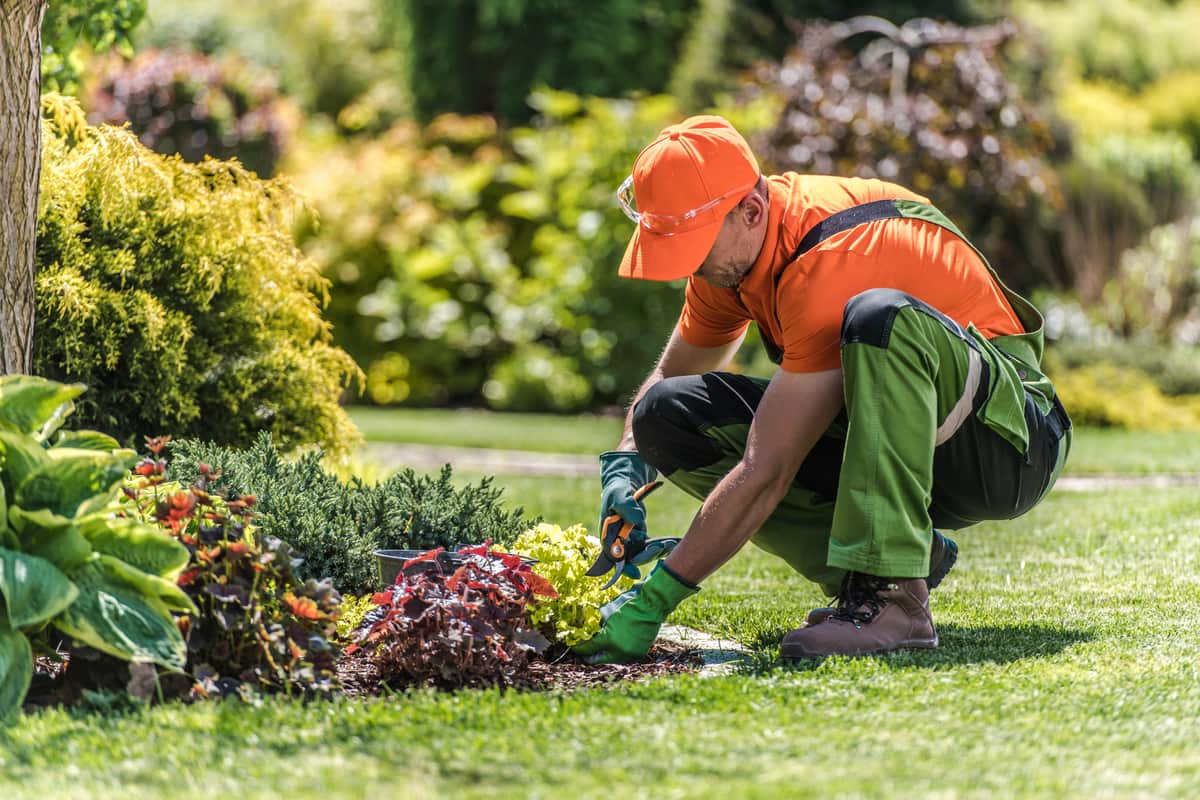
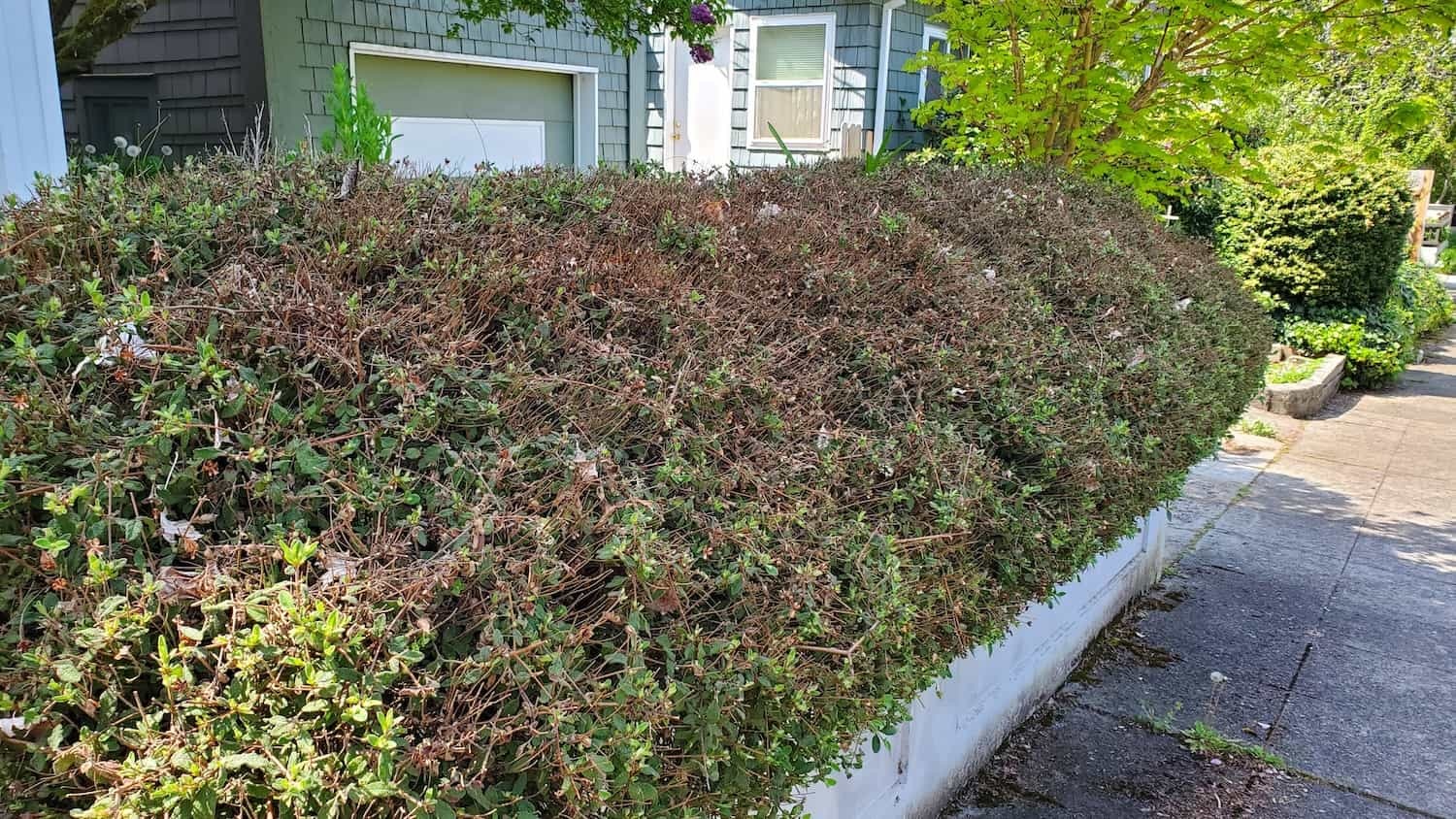
Cutting back perennials involves trimming the plants down to their base to promote new growth and maintain an attractive appearance. This service typically includes:
- Tasks:
- Pruning dead or damaged stems
- Removing old foliage
- Cleaning up debris around the plants
- Scope: Focus on all perennial plants in your garden, including both flowering and non-flowering varieties.
- Process: Assess each plant, cut back to the appropriate height, and dispose of the cuttings.
Key Benefits
- Improved Appearance: A tidy garden enhances curb appeal and makes your property more inviting.
- Durability: Regular maintenance helps prevent disease and encourages stronger growth.
- Safety: Removing dead plant material reduces the risk of pests and potential tripping hazards.
- Eco-Friendly Options: Composting cuttings can enrich your soil naturally.
Why Hire a Pro
Local experts bring invaluable knowledge about plant types and regional care. A licensed and insured crew will have the right tools and experience to efficiently cut back your perennials, ensuring the job is done safely and effectively.
Our Approach
Here’s a step-by-step breakdown of how we tackle cutting back perennials:
- Assess the Garden: Identify which perennials need cutting back based on the season and their specific growth habits.
- Gather Tools: Assemble necessary tools (see below).
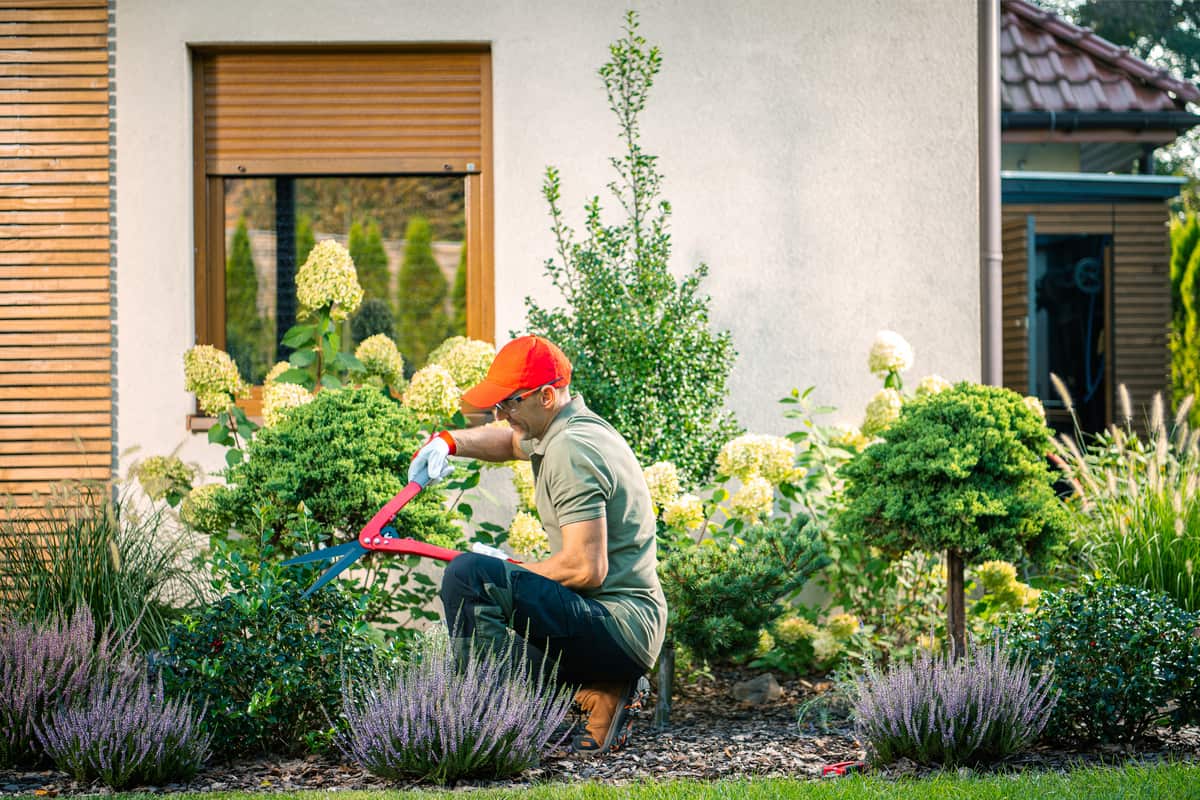
- Cut Back: Using sharp pruners, trim down perennials to about 3-6 inches above the ground, depending on the plant type.
- Clean Up: Collect and dispose of cuttings properly, either by composting or taking them to a green waste facility.
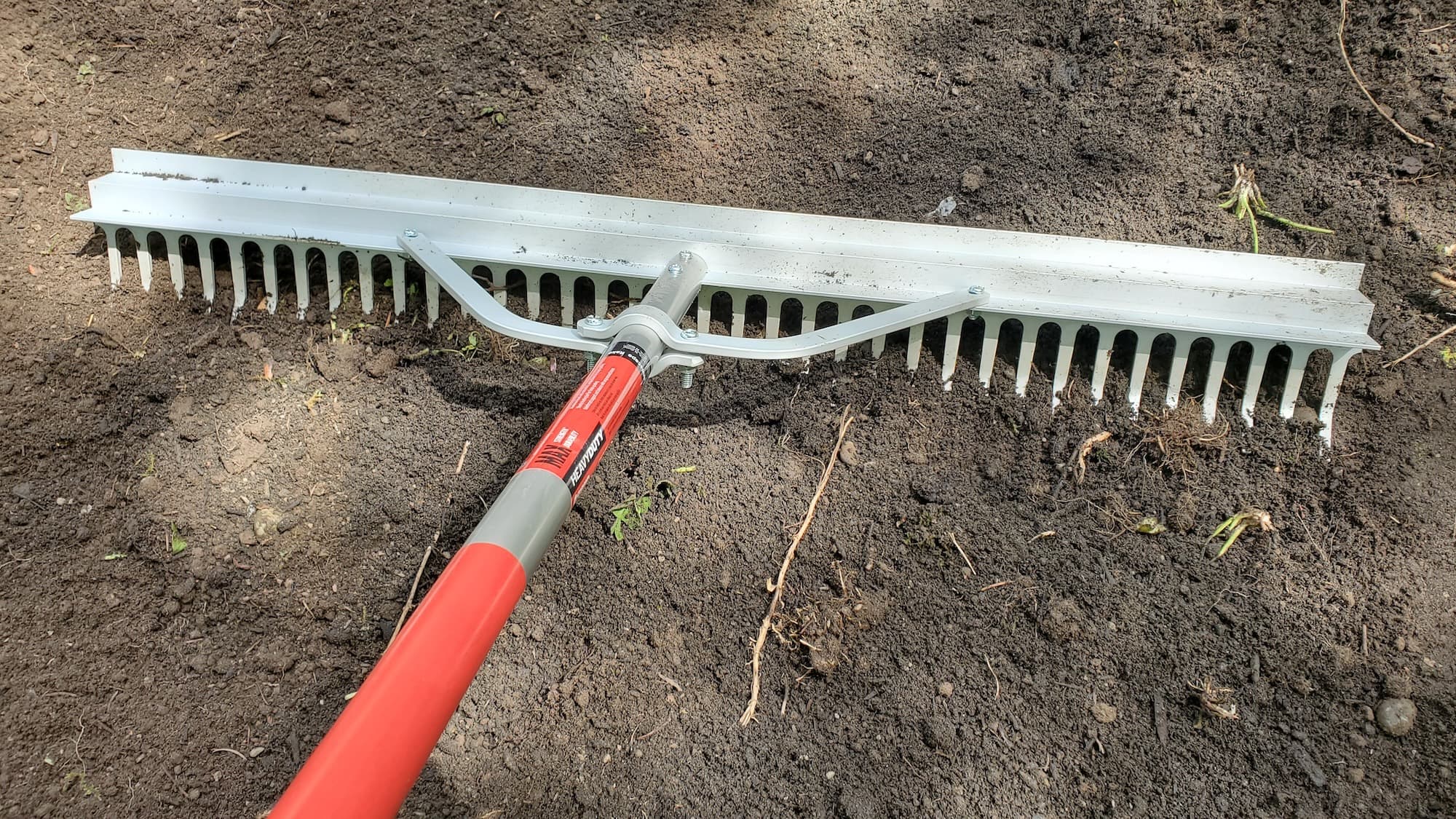
- Final Touches: Rake the area to remove any remaining debris and ensure a clean look.
Tools & Materials Needed
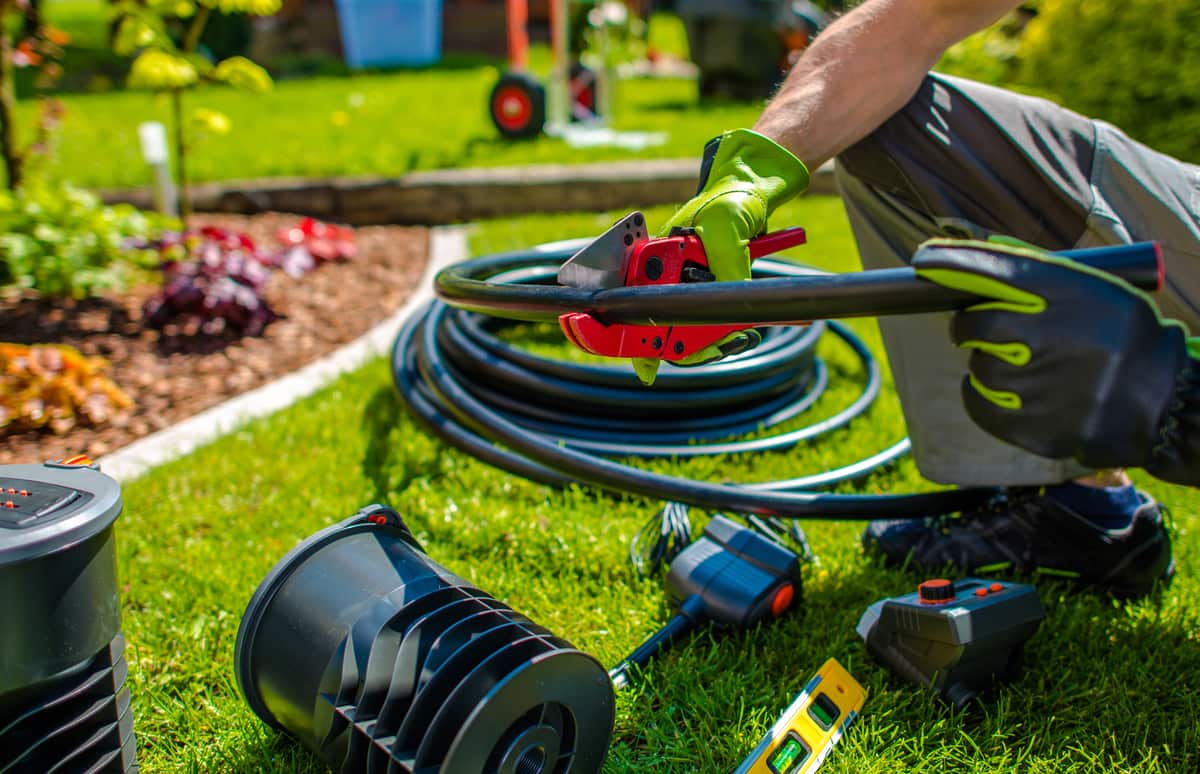
- Hand Pruners: For smaller stems and precise cuts.
- Loppers: For thicker branches that need cutting.
- Gloves: Protect your hands from sharp edges and plant sap.
- Rake: For cleaning up debris after cutting.
- Trash Bags or Compost Bin: For disposing of plant material.
Timelines
- Fall: Ideal time to cut back perennials is late fall, after the first frost (typically October to November).
- Spring: Early spring is best for any remaining clean-up before new growth starts (March to April).
Cost Ranges
- DIY: If you do it yourself, expect to spend around $50-$100 on tools if you don’t already own them.
- Professional Service: Hiring a landscaping crew can range from $100 to $300 depending on yard size, plant variety, and debris volume.
Safety Notes
- Always wear gloves to protect your hands.
- Be cautious of sharp tools; ensure they are well-maintained.
- Watch for any pests hiding in the foliage.
Maintenance Tips
- Regularly check your perennials for dead or damaged growth throughout the growing season.
- Consider mulching around the base of your plants to help retain moisture and suppress weeds.
- Keep an eye on new growth in spring; this will guide your next trimming session.
DIY vs. Pro
DIY: If you’re comfortable with tools and have a small garden, cutting back perennials can be a rewarding task. Just be sure to educate yourself on each plant’s specific needs.
Pro: For larger properties or if you’re short on time, hiring a professional can save you hassle and ensure the job is done right. Plus, they can offer additional services like mulching or seasonal planting.
Common Mistakes
- Cutting Too Early: Trimming too soon in the fall may expose plants to winter damage.
- Using Dull Tools: Always use sharp tools to make clean cuts and reduce plant stress.
- Neglecting Cleanup: Leaving debris can lead to disease and pests in your garden.
- Ignoring Plant Specifics: Different perennials have unique needs; do your research to avoid harming them.
Service Pricing
Our pricing is straightforward. We offer both flat rates and custom quotes based on:
- Lot Size: Bigger gardens will cost more.
- Debris Volume: More cuttings mean additional disposal fees.
- Access: Hard-to-reach areas may incur extra charges.
- Add-ons: Additional services like mulching or planting will affect the total cost.
Be aware that local taxes and dump fees may apply.
What’s Included
Our core services for cutting back perennials include:
- Trimming: Removing dead or damaged growth.
- Edging: Defining garden beds for a polished look.
- Weeding: Clearing out unwanted plants.
- Mulching: Adding a protective layer around plants.
- Pruning: Shaping plants for optimal growth.
Optional Extras
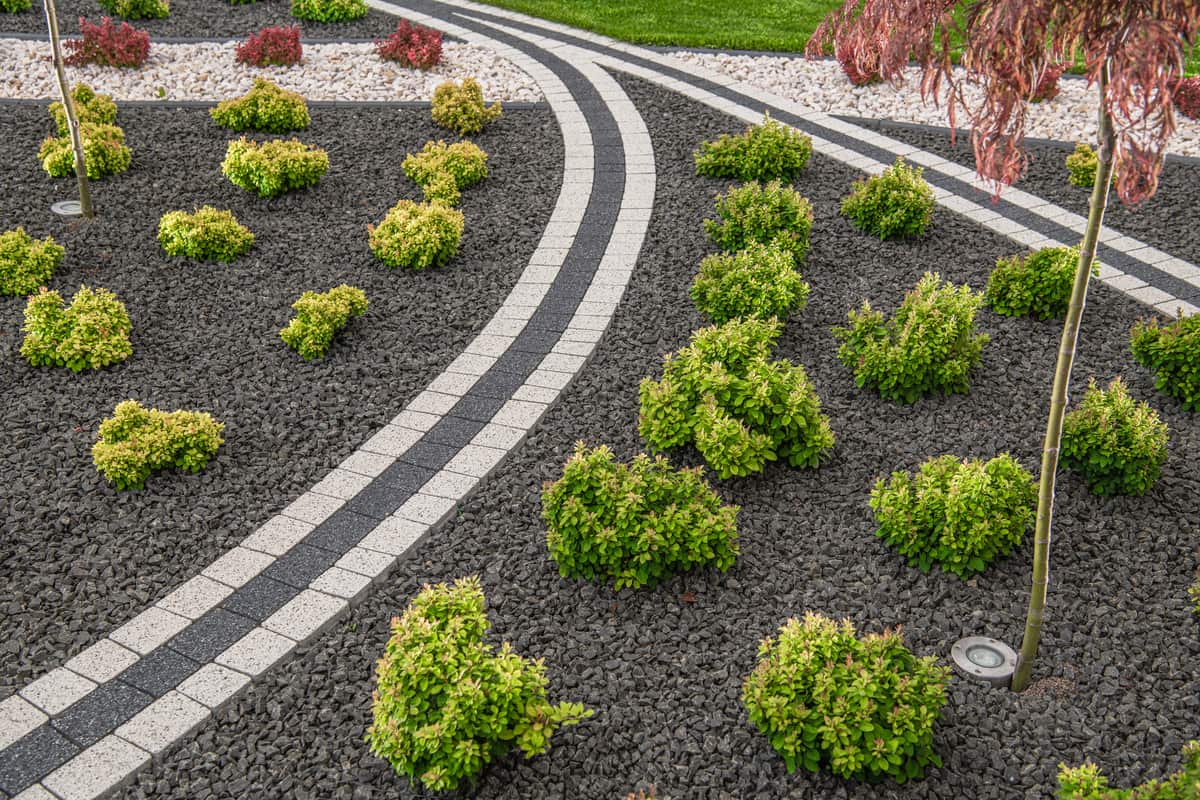
- Gravel Installation: For pathways or decorative borders.
- Landscape Fabric: To suppress weeds effectively.
- Seasonal Upgrades: Flower planting or ornamental additions.
FAQs
- When is the best time to schedule this service? Late fall and early spring are optimal times.
- How long does it take? Most jobs can be completed in a few hours, depending on size.
- Are there any additional fees? Yes, depending on debris disposal and any extra services required.
Why Choose Lee’s General Landscaping
- Experienced local crew that works clean and efficient.
- Licensed, bonded & insured for peace of mind.
- Hundreds of 5-star reviews across Yelp and Google.
Ready for a yard that stays neat?
Call or text Lee’s General Landscaping for a quick quote and a maintenance plan that fits your property.
⭐⭐⭐⭐⭐ 400+ Yelp Reviews • ⭐⭐⭐⭐⭐ 130+ Google Map Reviews
📧 Email: lees.g.landscaping@gmail.com
📞 Office: 206-259-7919
🕘 Hours: Mon–Sun: 9AM–6PM
🔒 Licensed • Bonded • Insured