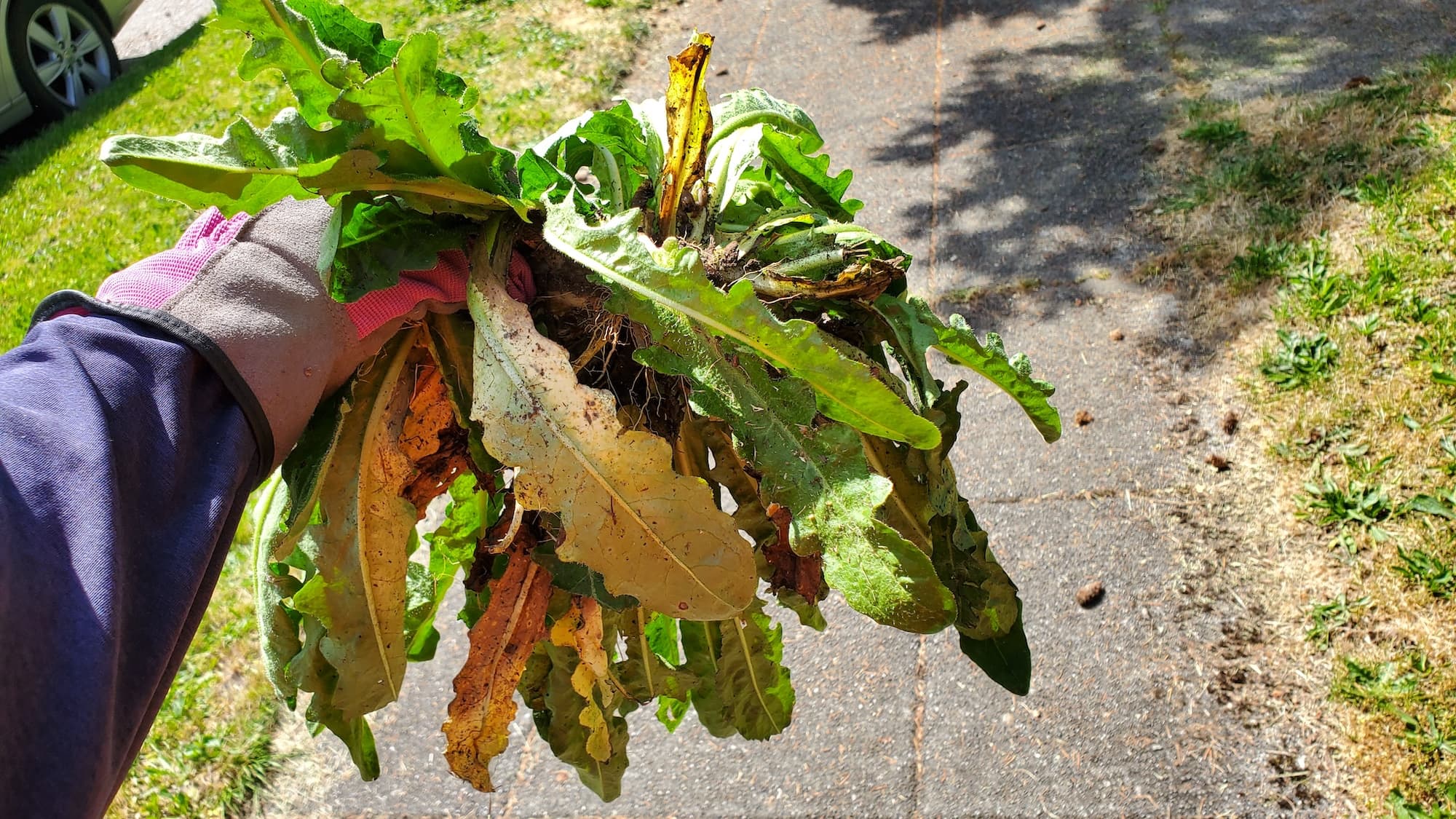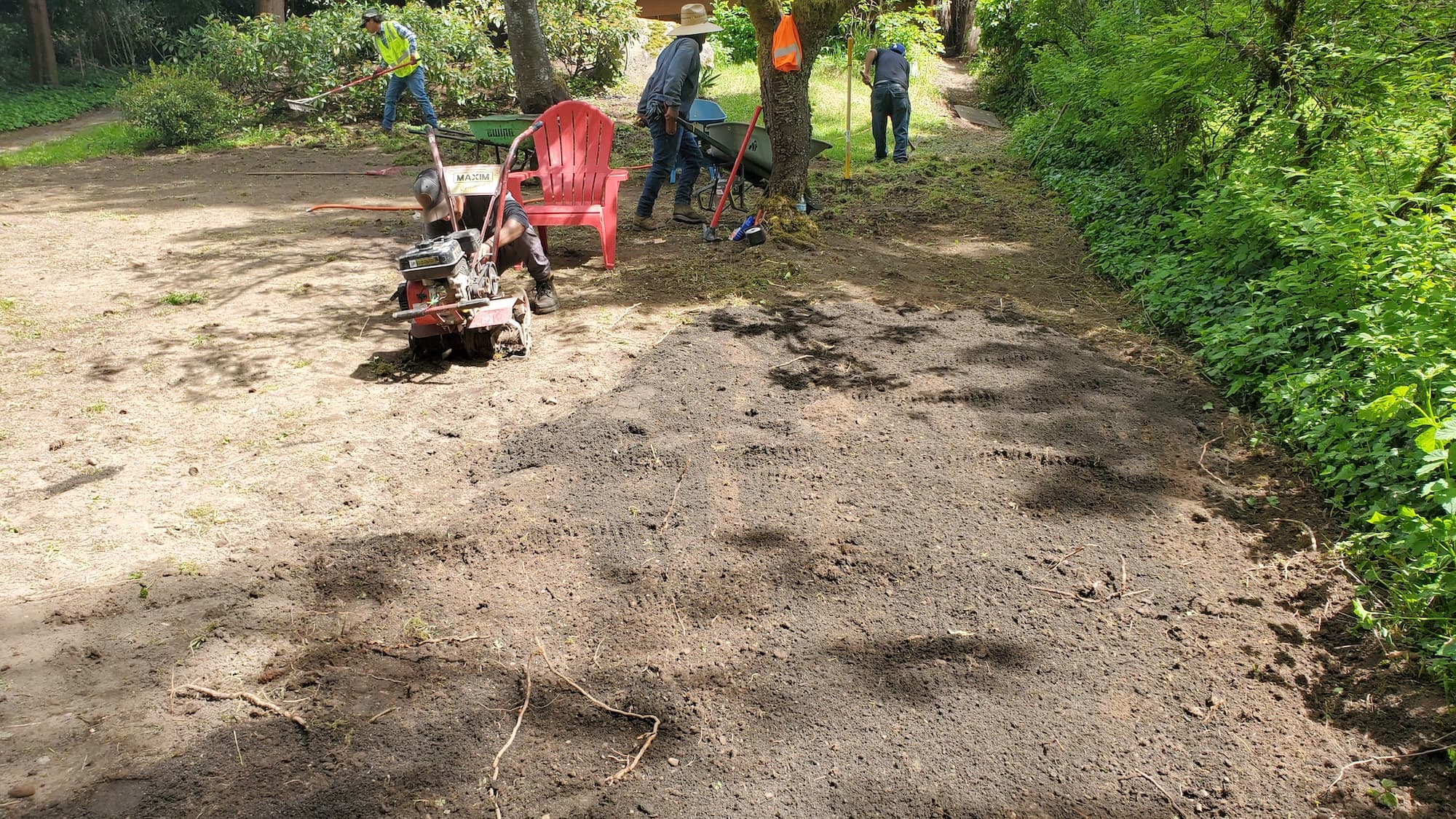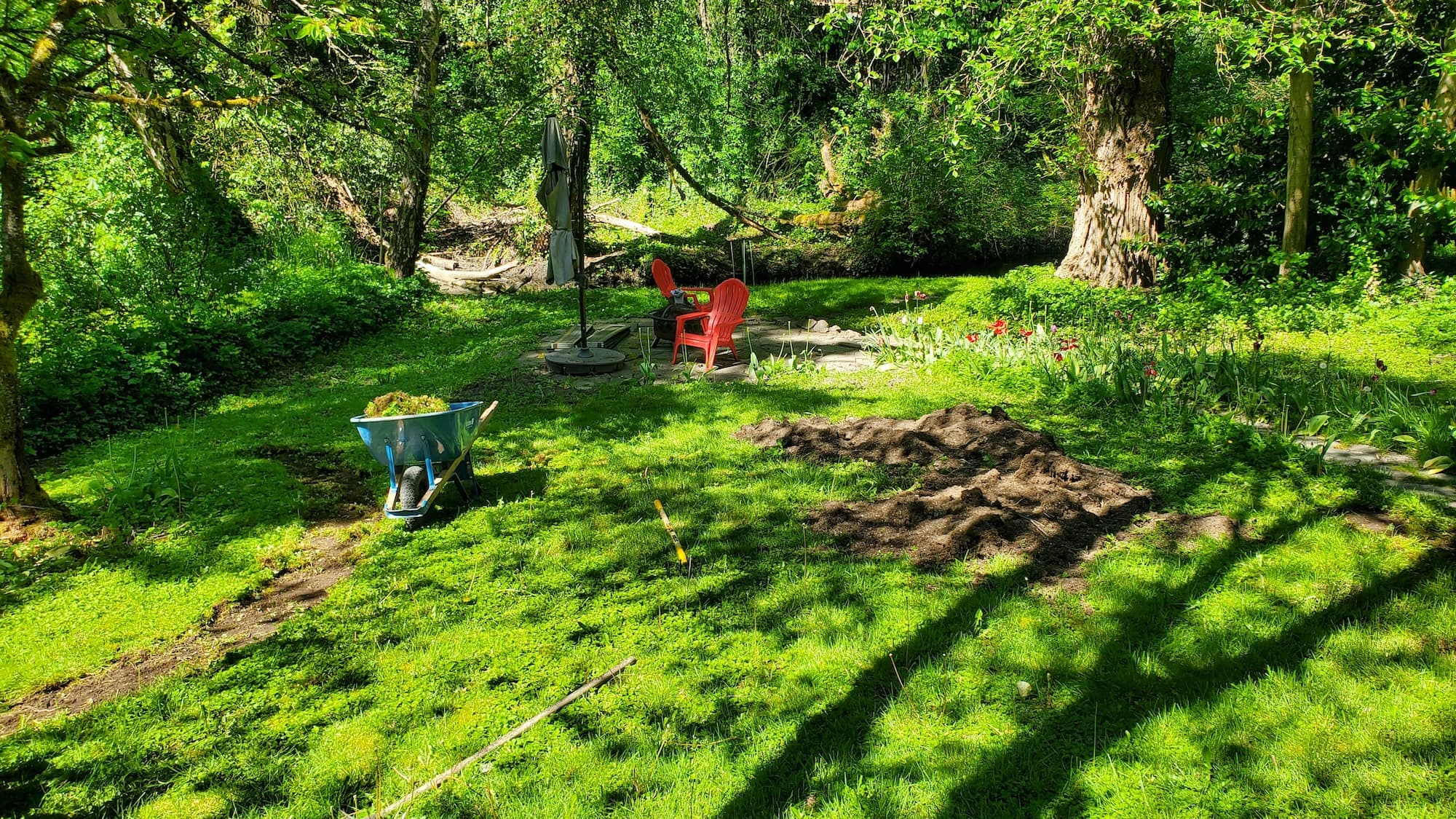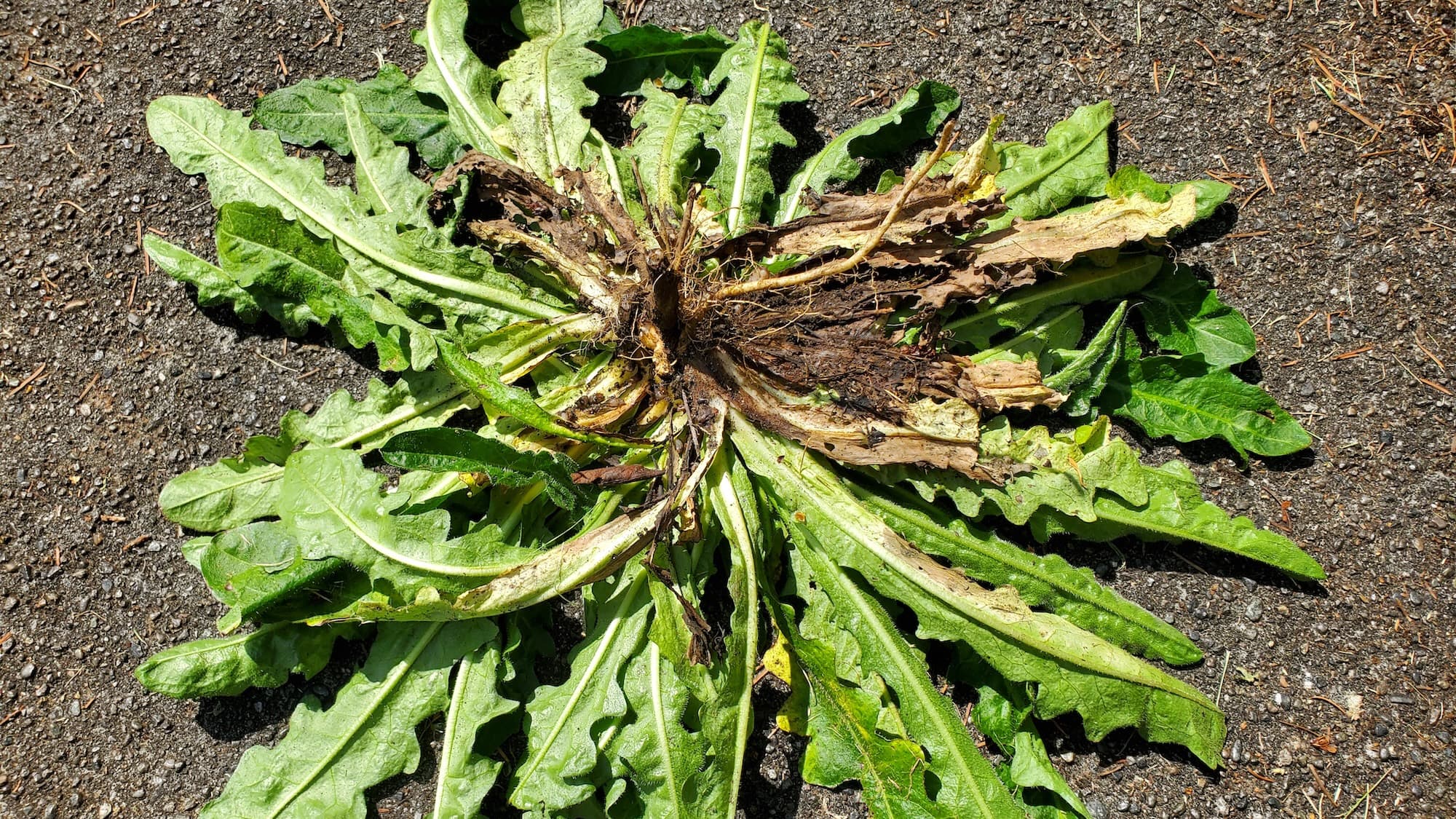
Bindweed root removal and disposal
Bindweed is a persistent and invasive weed that can quickly take over your garden or landscape, choking out your desired plants and ruining your curb appeal. Homeowners often face the daunting challenge of removing bindweed roots, which can grow deep and spread widely. The best solution? A thorough and effective removal process combined with responsible disposal.
When you successfully eliminate bindweed, you not only enhance the appearance of your property but also reduce future maintenance needs and improve safety by eliminating trip hazards. In this article, we’ll cover the tools and materials you’ll need, a step-by-step guide to removal, timelines, cost ranges, safety notes, maintenance tips, and when to consider hiring a professional.
Description
What the Service Includes
- Assessment: Evaluating the extent of the bindweed infestation.
- Preparation: Clearing the area of debris and other plants.
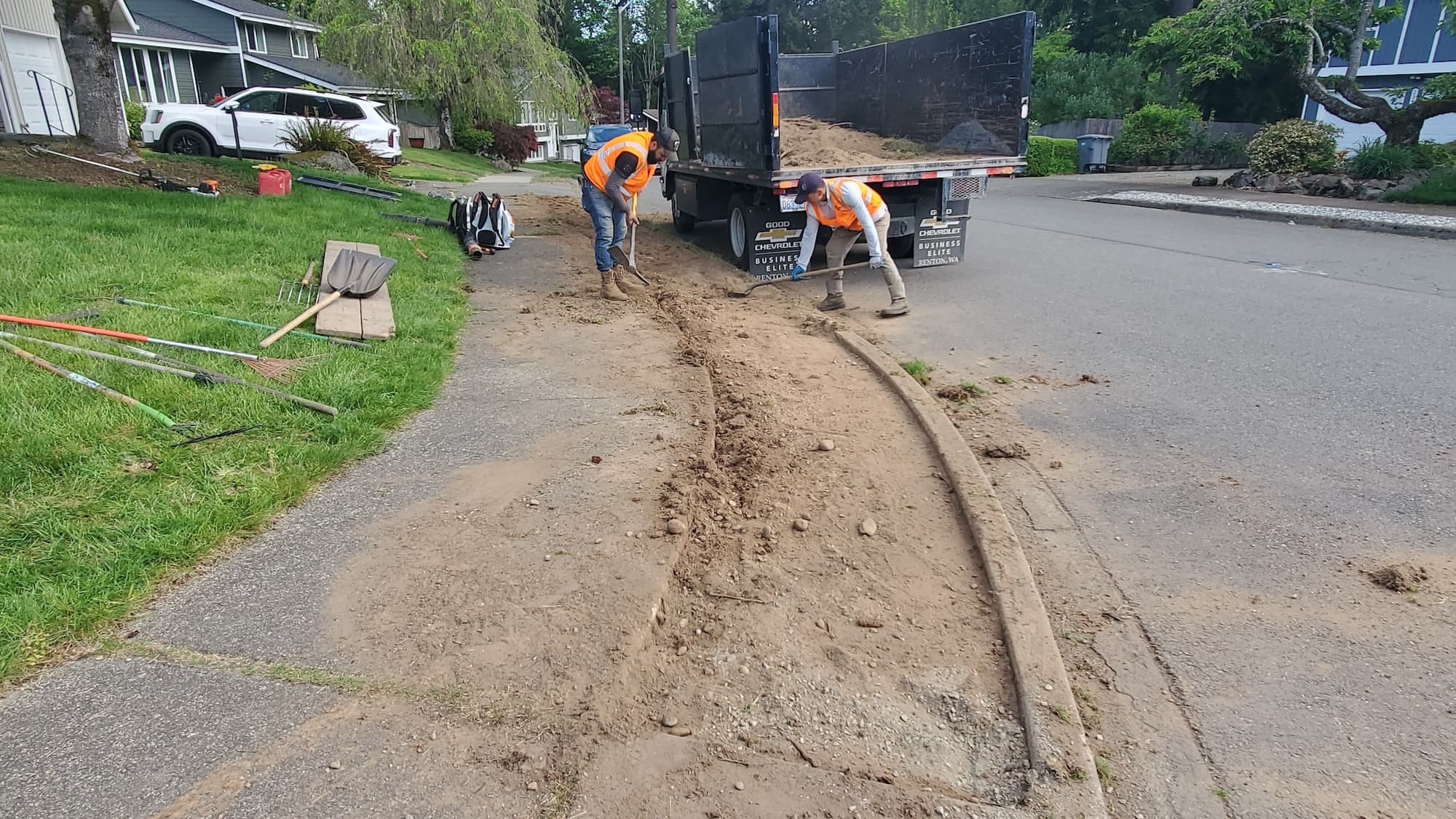
- Removal: Digging up the roots and stems of the bindweed.
- Disposal: Properly disposing of bindweed to prevent regrowth.
- Follow-up: Recommendations for ongoing monitoring and prevention.
Key Benefits
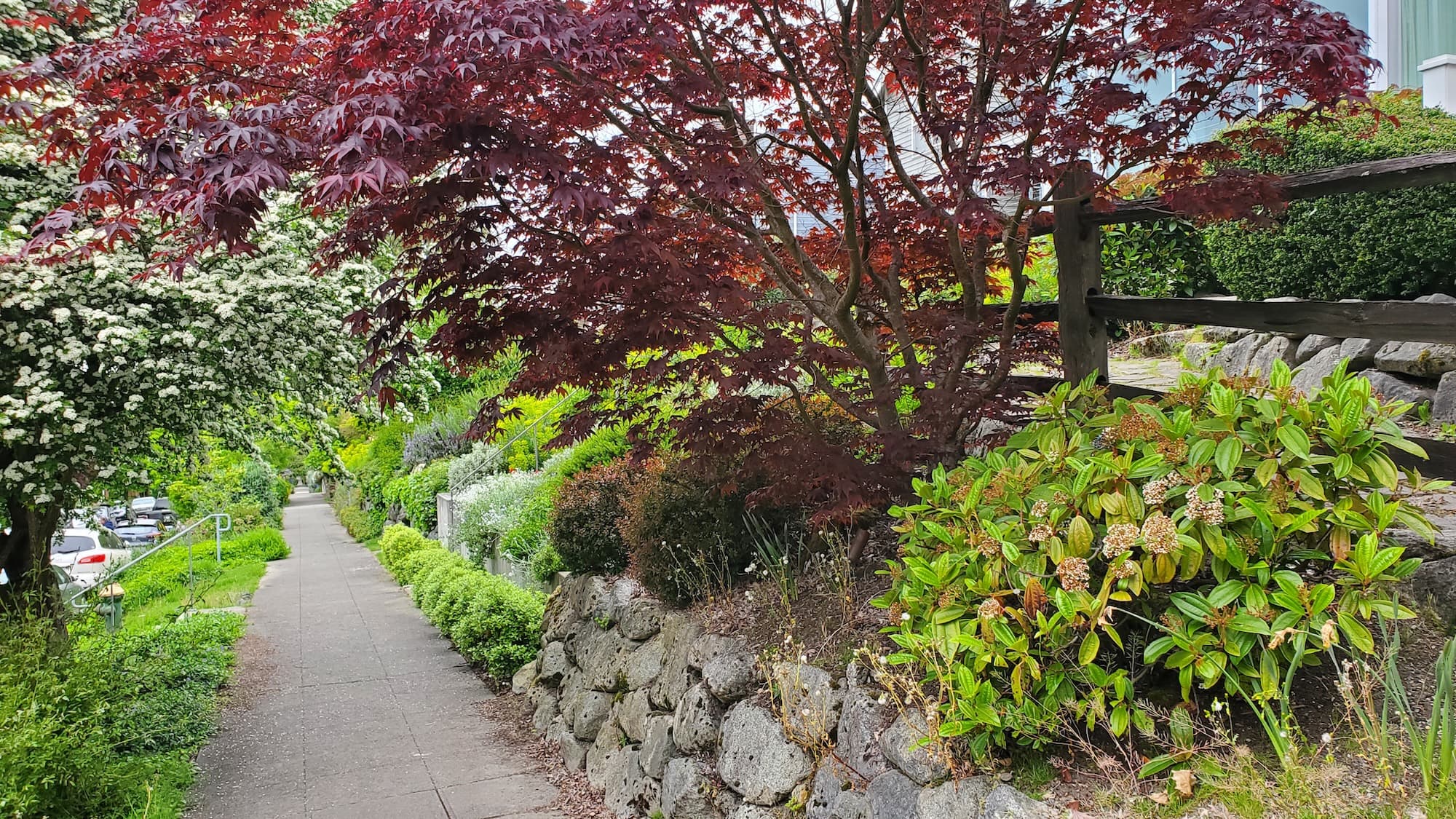
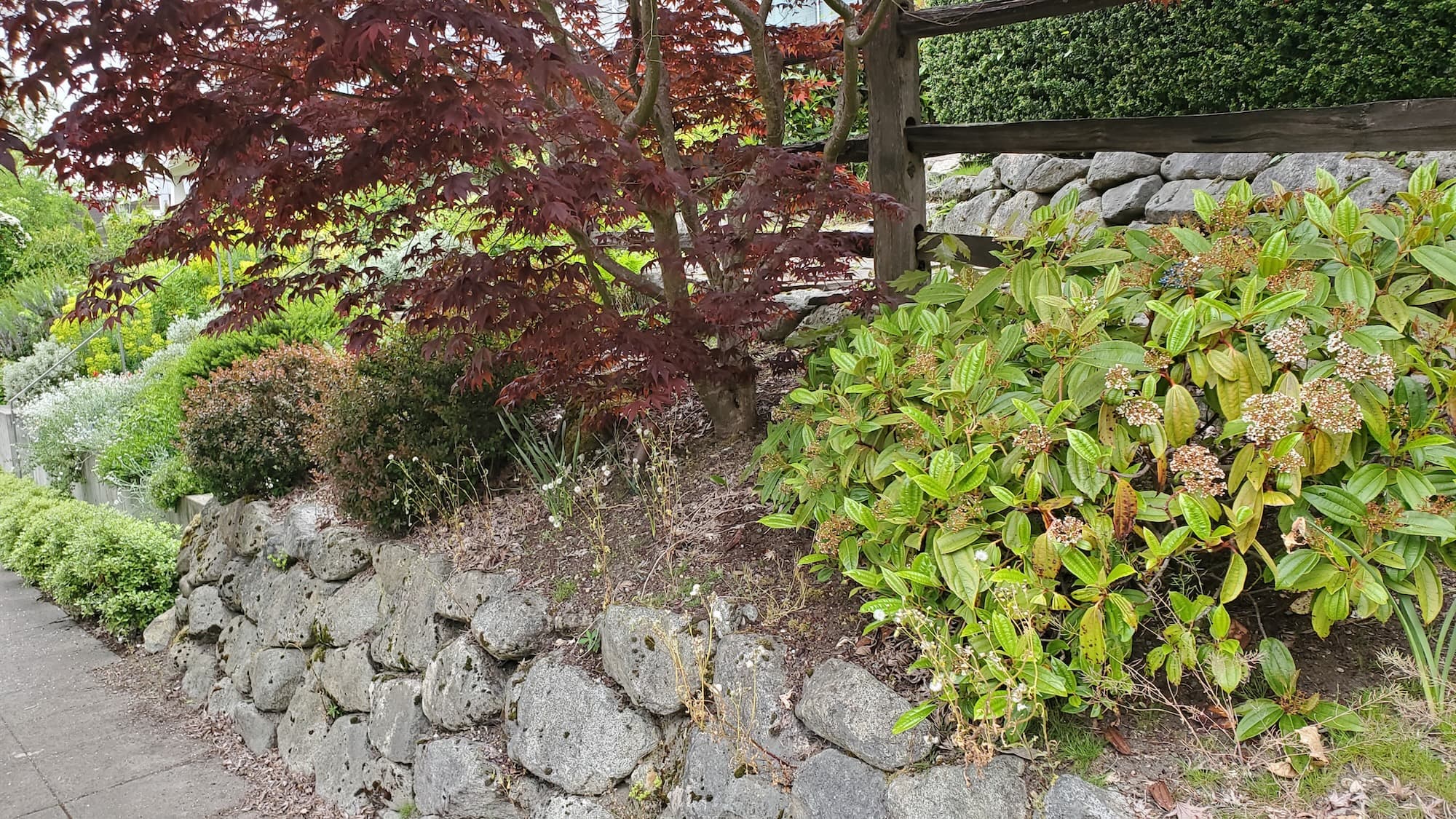
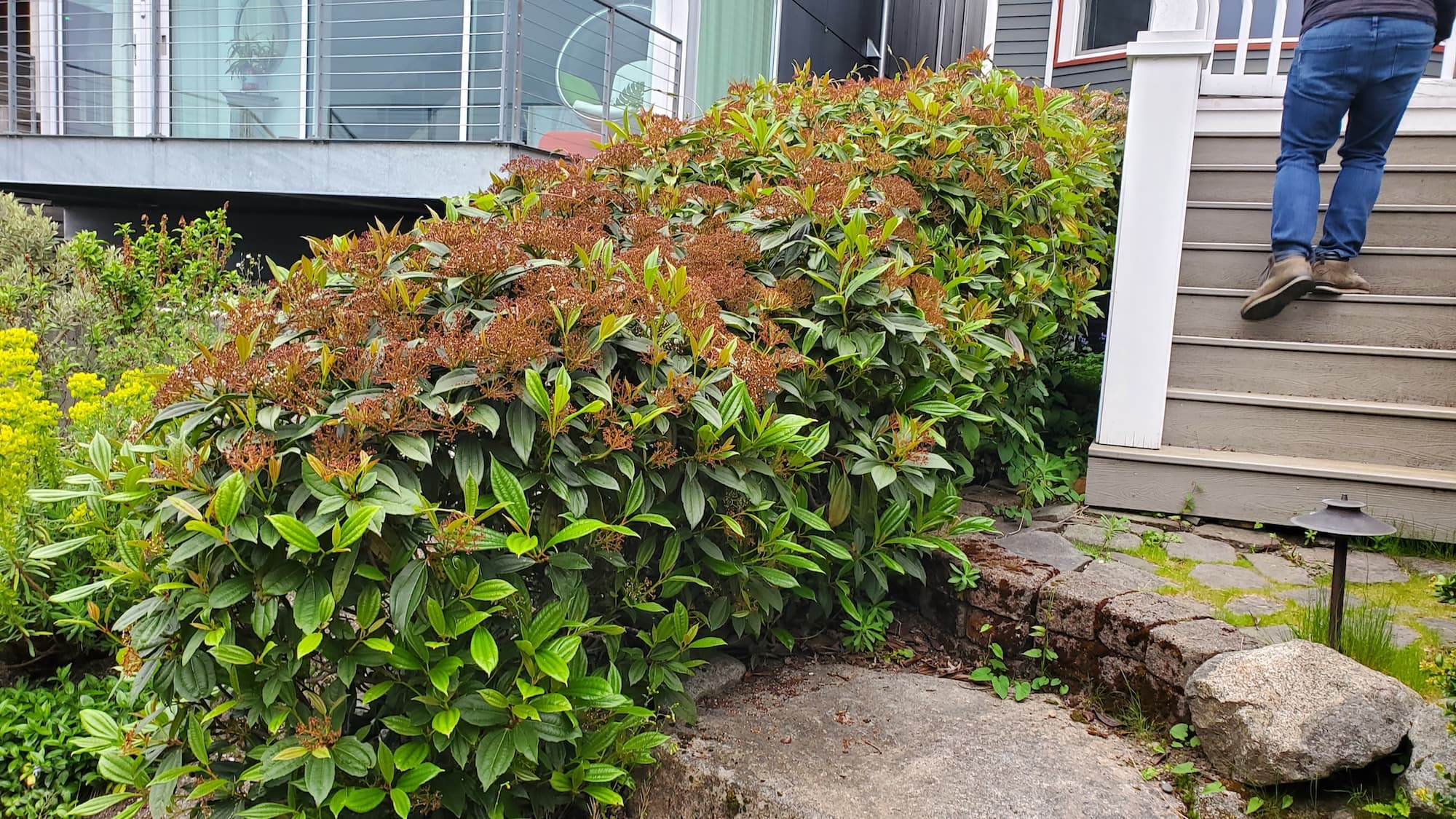
- Improved Appearance: A bindweed-free landscape enhances your property’s curb appeal.
- Durability: Healthy plants can thrive without competition from bindweed.
- Safety: Reducing trip hazards protects family and visitors.
- Eco-friendly Options: Employing natural herbicides or manual removal methods minimizes environmental impact.
Why Hire a Pro
Hiring a professional crew means you benefit from local expertise, access to licensed and insured teams, and the use of professional tools that can make the job more efficient and effective.
Our Approach
Step-by-Step Breakdown
- Site Assessment: Identify the extent of the bindweed roots and plan the removal process.
- Clear the Area: Remove any debris or plants that may obstruct access to the bindweed.
- Manual Removal:
- Use a spade or garden fork to dig around the bindweed, ensuring you remove as much root as possible.
- Pull the bindweed out gently to avoid breaking the roots.
- Chemical Treatment (if necessary):
- If the infestation is severe, consider applying a targeted herbicide. Follow the manufacturer’s instructions carefully.
- Dispose of Debris:
- Place bindweed in trash bags to prevent it from taking root elsewhere. Do not compost it.
- Monitor the Area: Keep an eye on the area for any signs of regrowth.
What Homeowners Can Expect
- A clean, organized workspace.
- Efficient removal that minimizes disruption to your other plants.
- Clear communication throughout the process.
We’re a full-service landscaping and hardscaping crew. Our goal is to tidy your yard, protect your property, and give it lasting curb appeal.
Service Pricing
Pricing Structure
- Flat Rate: Typically for smaller jobs, where a set fee covers the entire removal process.
- Custom Quotes: Based on lot size, bindweed volume, access difficulties, and any requested add-ons (like mulching or planting).
Variables Impacting Cost
- Lot Size: Larger areas will naturally take more time and resources.
- Debris Volume: The amount of bindweed and other waste to be removed can affect the price.
- Access: Hard-to-reach areas may require additional labor or tools.
- Add-ons: Services like mulching or planting can increase overall costs.
Additional Fees
- Be aware of potential extra charges for tax, dump fees, or hauling costs.
What’s Included
Core Services
- Trimming: Cutting back overgrown plants to access bindweed.
- Edging: Defining garden borders to prevent future encroachment.
- Weeding: Removing other invasive plants along with bindweed.
- Mulching: Applying mulch to suppress future weed growth.
- Pruning: Ensuring healthy growth of surrounding plants.
Optional Extras
- Gravel Installation: For pathways or decorative touches.
- Landscape Fabric: To prevent weeds from returning.
- Planting: Adding new plants to fill in areas left bare.
FAQs
Common Customer Concerns
- Scheduling: We usually can schedule within a week, depending on our workload.
- Turnaround Time: Most jobs can be completed in a day, but larger infestations may take longer.
- Dump Fees: These are typically included in your quote unless specified otherwise.
Maintenance Tips
- Regularly check for signs of regrowth.
- Maintain healthy competition among your desired plants.
- Consider a landscape fabric barrier to help manage weeds.
Why Choose Lee’s General Landscaping
- Our experienced local crew works clean and efficiently.
- We are licensed, bonded & insured for your peace of mind.
- With hundreds of 5-star reviews across Yelp and Google, our reputation speaks for itself.
Ready for a yard that stays neat?
Call or text Lee’s General Landscaping for a quick quote and a maintenance plan that fits your property.
Common Mistakes
- Leaving Roots Behind: Ensure all roots are removed to prevent regrowth.
- Composting Bindweed: This can spread seeds; always dispose of it in the trash.
- Ignoring Follow-up: Regular checks are essential to ensure bindweed doesn’t return.
⭐⭐⭐⭐⭐ 400+ Yelp Reviews • ⭐⭐⭐⭐⭐ 130+ Google Map Reviews
📧 Email: lees.g.landscaping@gmail.com
📞 Office: 206-259-7919
🕘 Hours: Mon–Sun: 9AM–6PM
🔒 Licensed • Bonded • Insured