Automatic sprinkler timer installation
Installing an automatic sprinkler timer can transform your lawn care routine from a chore into a breeze. Homeowners often face the challenge of maintaining a healthy, vibrant garden while juggling busy schedules. An automatic timer not only saves you time but also ensures your plants receive consistent watering, enhancing curb appeal and promoting healthy growth. In this article, we’ll guide you through the installation process, the tools and materials needed, cost expectations, and tips to keep your system running smoothly.
Description
What the Service Includes
- Assessment: Evaluating your landscape to determine the best watering schedule and zones.
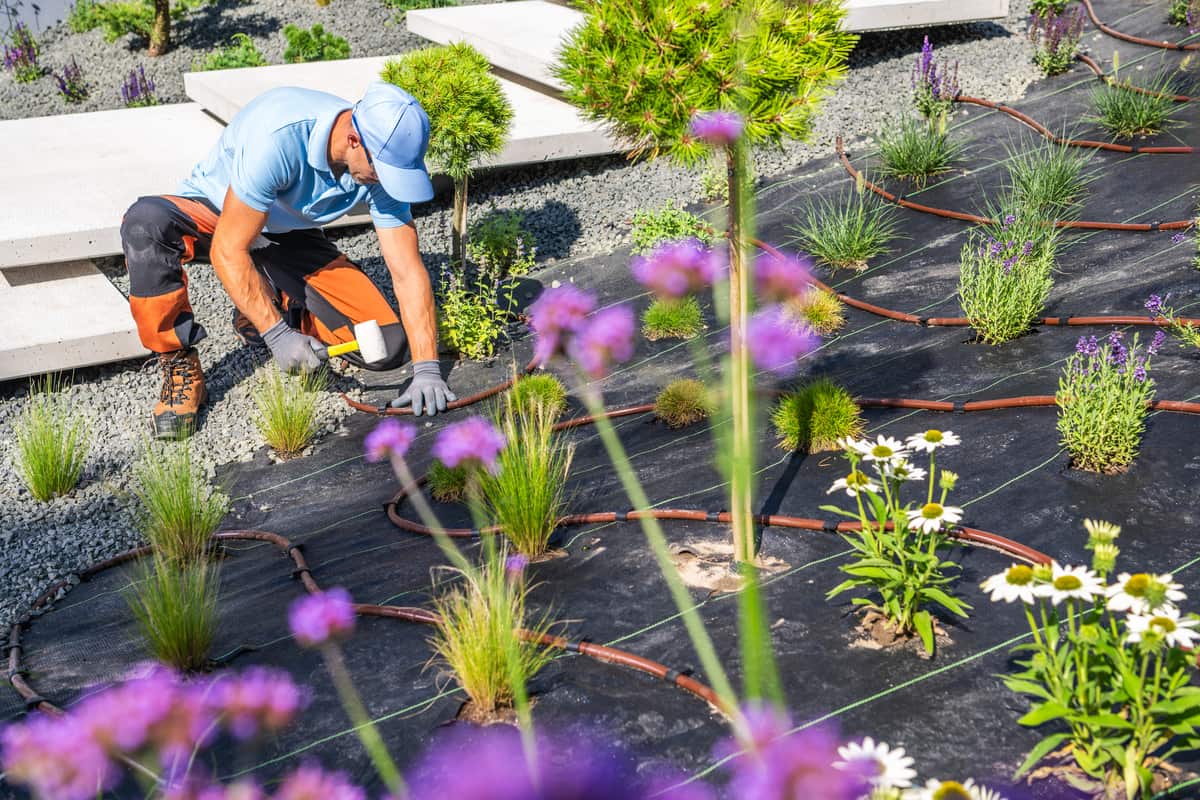
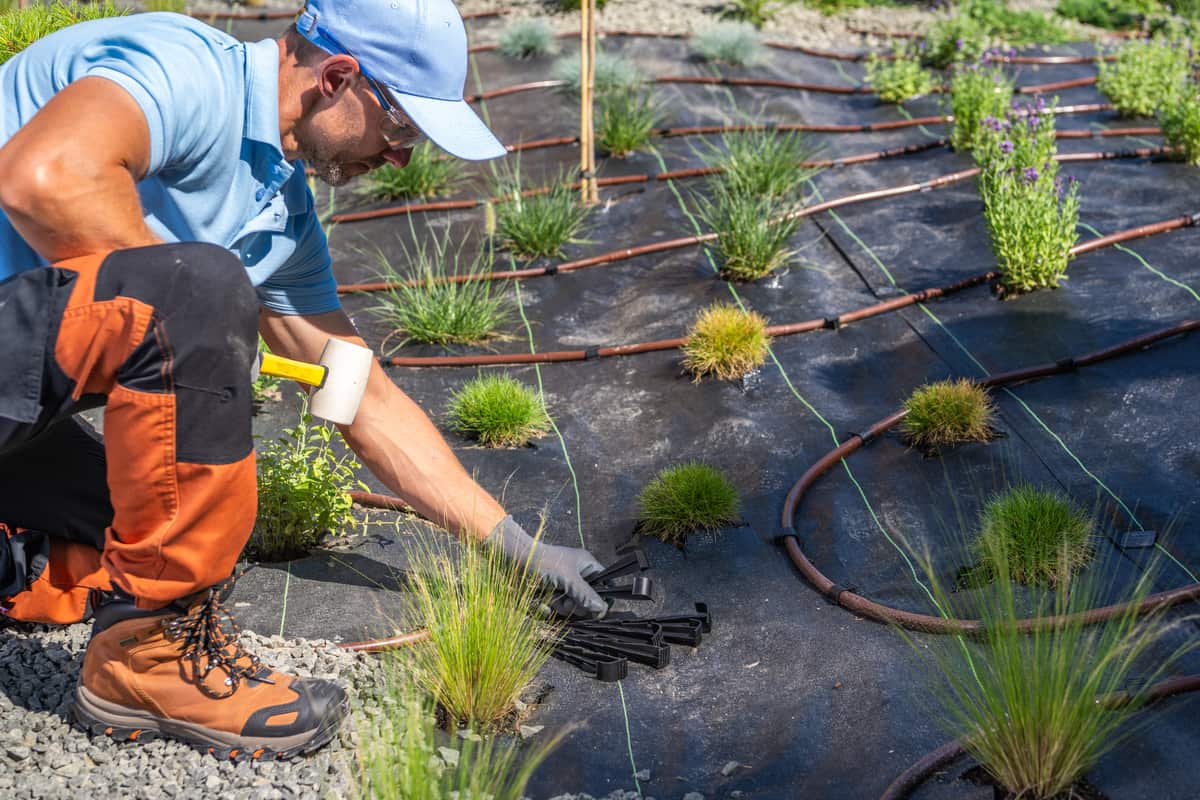
- Installation: Setting up the timer, connecting it to your existing irrigation system, and programming it for optimal performance.
- Testing: Running the system to ensure proper functioning and coverage.
Key Benefits
- Improved Appearance: A well-watered lawn enhances your home’s curb appeal.
- Durability: Protects your plants from drought stress, promoting longevity.
- Safety: Reduces the risk of overwatering, which can lead to slippery surfaces.
- Eco-Friendly Options: Many timers come with smart technology that adjusts watering based on weather conditions.
Why Hire a Pro
- Local Expertise: Familiarity with climate and soil types.
- Licensed & Insured Crew: Peace of mind knowing your installation is handled by professionals.
- Professional Tools: Access to specialized equipment for a flawless installation.
Our Approach
Step-by-Step Breakdown
Gather Tools & Materials:
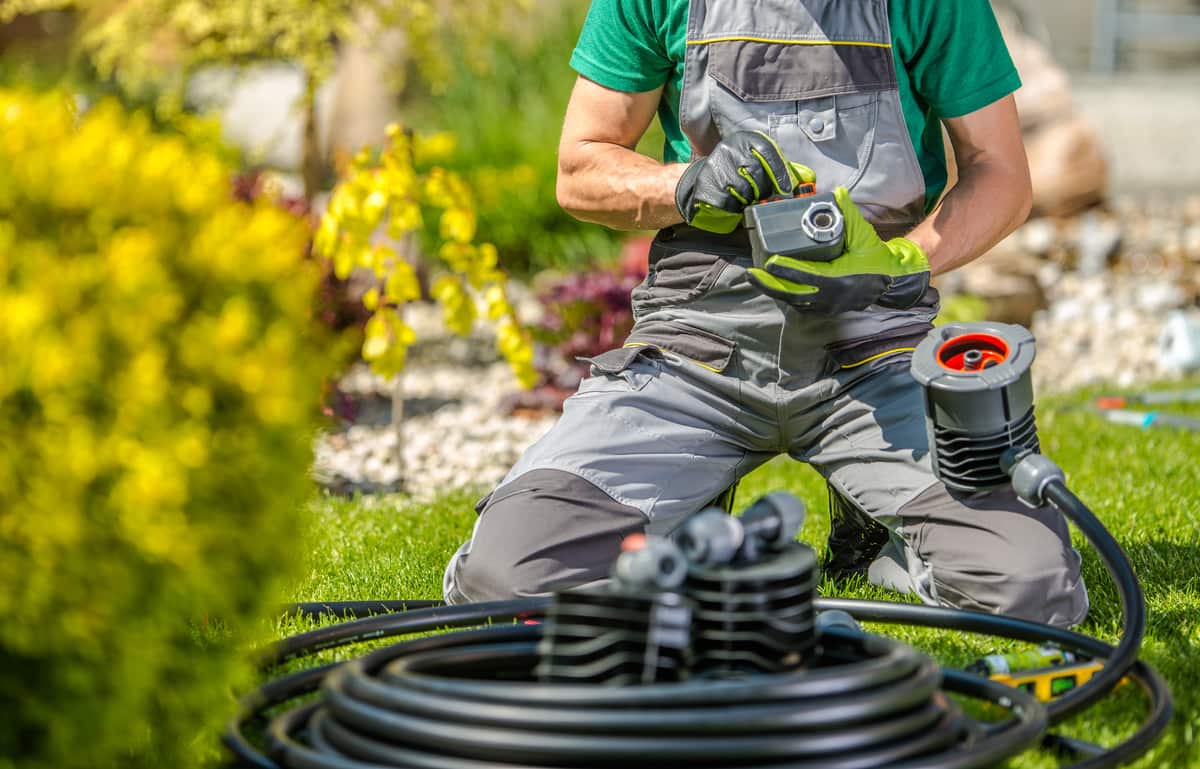
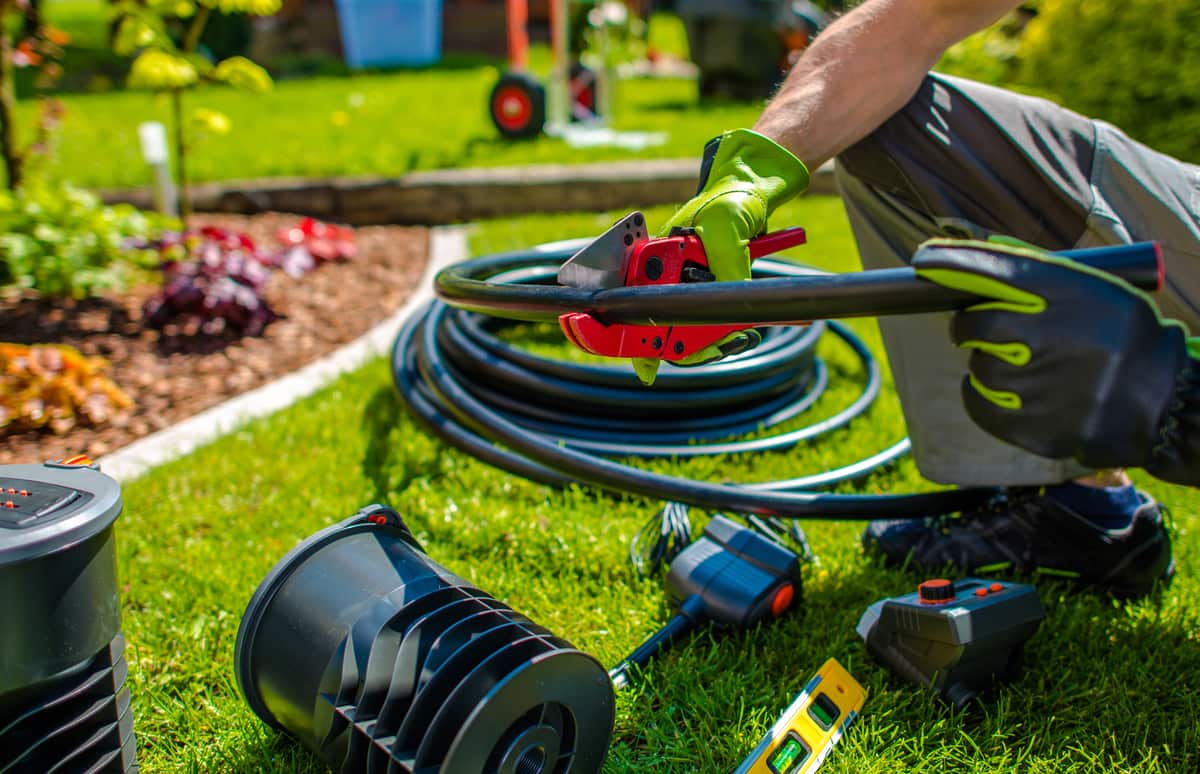
- Tools: Screwdriver, wire strippers, drill, level, and a wrench.
- Materials: Automatic sprinkler timer, wiring, connectors, and possibly a rain sensor.
Turn Off Water Supply: Ensure the water supply to the sprinkler system is turned off before starting.
Remove Old Timer (if applicable): Unscrew and detach the old timer from the wall or mounting bracket.
Mount the New Timer: Use the level to ensure it’s straight, then secure it to the wall with screws.
Connect Wiring: Follow the manufacturer’s instructions to connect the wires from the timer to the corresponding zones in your sprinkler system.
Program the Timer: Set your desired watering schedule, including duration and frequency.
Test the System: Turn on the water supply and run the system to check for leaks and proper coverage.
Adjust Settings as Needed: Fine-tune the timer settings based on your landscape’s needs.
On-Site Expectations
Our crew works efficiently and respectfully, ensuring minimal disruption to your daily routine. We prioritize safety and cleanliness, leaving your property tidy after completing the installation.
Service Pricing
Pricing Structure
- Flat Rate vs. Custom: Most installations have a flat rate for standard systems, while custom setups may vary based on specific requirements.
Cost Variables
- Lot Size: Larger properties may require more zones and additional materials.
- Debris Volume: Clearing the area for installation can affect costs.
- Access: Difficult-to-reach areas may require extra labor.
- Add-Ons: Features like rain sensors or smart technology can increase costs.
Additional Costs
Keep in mind potential tax, dump fees, or extra hauling charges that may apply depending on your location and project specifics.
What’s Included
Core Services
- Installation: Complete setup of the automatic timer.
- Testing: Ensuring everything works as intended.
- Basic Programming: Initial setup of watering schedules.
Optional Extras
- Rain Sensors: Automatically adjust watering based on rainfall.
- Smart Technology: Wi-Fi-enabled timers for remote access and control.
- Seasonal Upgrades: Adjustments for winterization or summer heat.
FAQs
Common Concerns
- Scheduling: Most installations can be completed in one day, depending on complexity.
- Turnaround Time: Expect a quote within 24-48 hours after your initial inquiry.
- Dump Fees: These are typically included in the flat rate unless additional debris removal is necessary.
Maintenance Tips
- Regular Checks: Inspect your system monthly for leaks or clogs.
- Seasonal Adjustments: Modify your watering schedule with the changing seasons.
- Battery Replacement: If your timer is battery-operated, replace batteries annually.
DIY vs. Pro
DIY
- Pros: Cost savings, hands-on experience.
- Cons: Risk of improper installation, potential for system damage, and time-consuming.
Professional Installation
- Pros: Expertise, guaranteed workmanship, and time savings.
- Cons: Higher upfront cost.
If you’re comfortable with basic electrical work and plumbing, a DIY installation could be feasible. However, for peace of mind and optimal results, hiring a professional is often the best route.
Common Mistakes
- Inaccurate Programming: Ensure the timer is set correctly for your landscape’s needs.
- Neglecting Maintenance: Regular checks can prevent larger issues.
- Ignoring Local Regulations: Be aware of any local watering restrictions or HOA guidelines.
Why Choose Lee’s General Landscaping
- Experienced Local Crew: We know the ins and outs of our community’s landscaping needs.
- Licensed, Bonded & Insured: Enjoy peace of mind with our professional credentials.
- Five-Star Reviews: We pride ourselves on customer satisfaction—check us out on Yelp and Google!
Ready for a yard that stays neat?
Call or text Lee’s General Landscaping for a quick quote and a maintenance plan that fits your property.
⭐⭐⭐⭐⭐ 400+ Yelp Reviews • ⭐⭐⭐⭐⭐ 130+ Google Map Reviews
📧 Email: lees.g.landscaping@gmail.com
📞 Office: 206-259-7919
🕘 Hours: Mon–Sun: 9AM–6PM
🔒 Licensed • Bonded • Insured