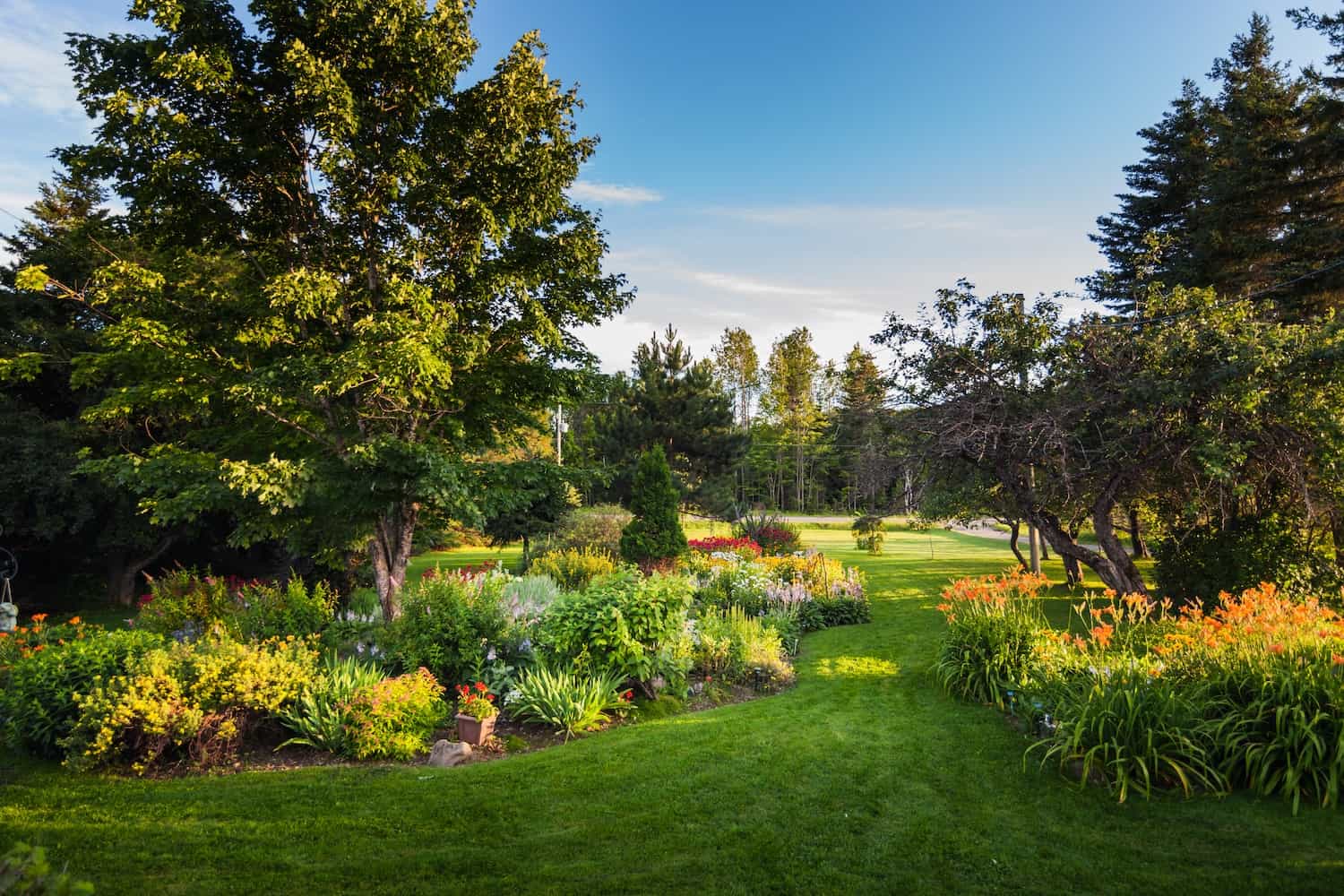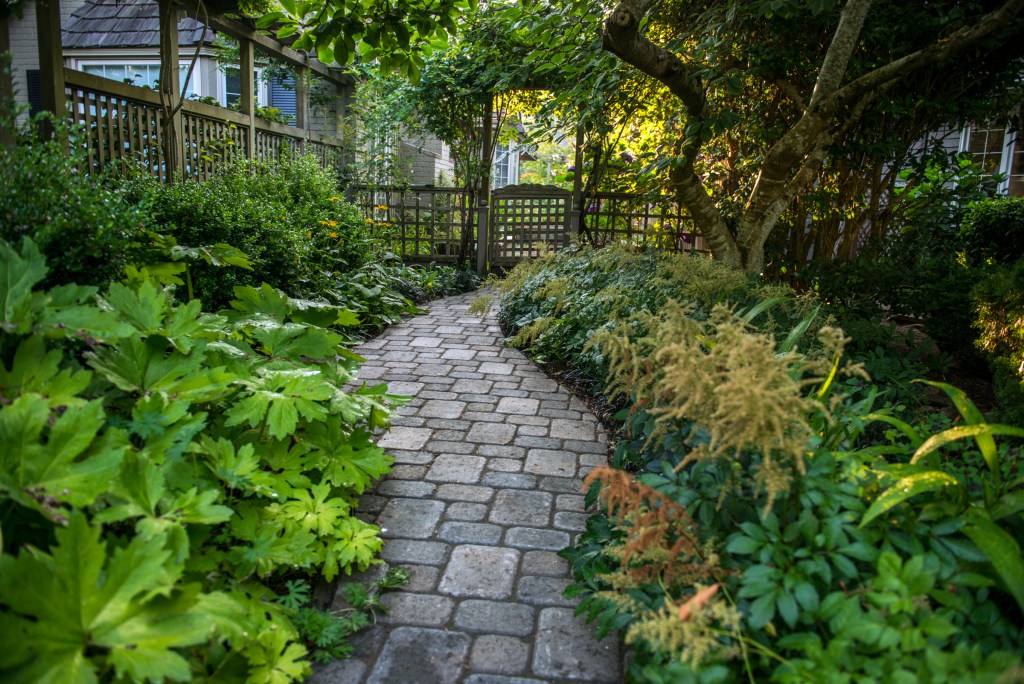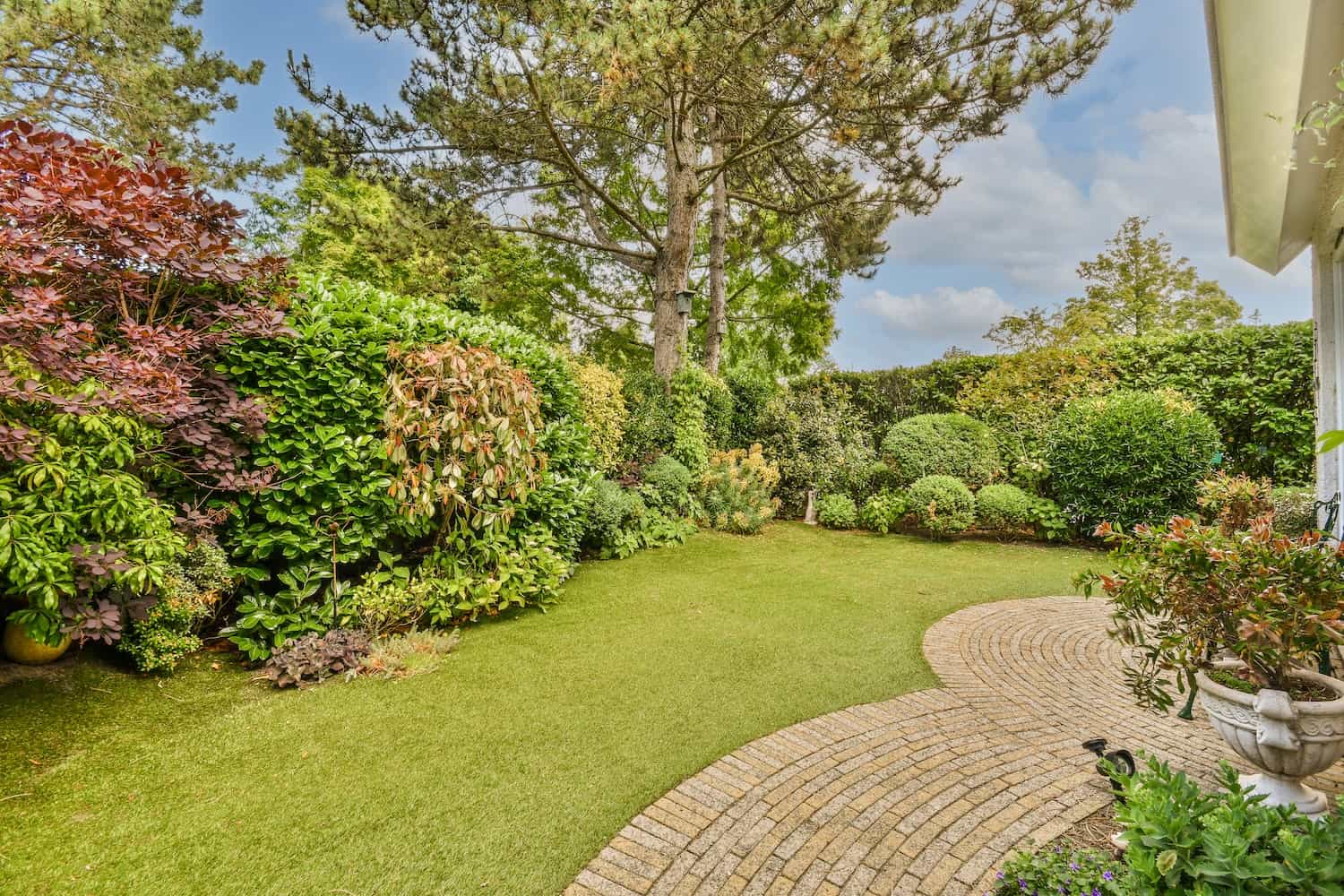

Healthy plants depend on healthy soil—and that comes down to the minerals and nutrients available to them. Just like people need a balanced diet, plants require certain elements to grow strong, resist disease, and produce flowers or fruit. Understanding plant nutrition and how fertilizers work can help Seattle homeowners make better choices for their lawns and gardens.
The Essential Nutrients Plants Need
Plants require over a dozen nutrients, but they’re grouped into three main categories:
Primary Nutrients (needed in the largest amounts):
- Nitrogen (N): fuels leafy growth and green color. Lawns especially depend on it.
- Phosphorus (P): promotes root growth, flowers, and fruit.
- Potassium (K): helps plants resist disease, drought, and cold.
Secondary Nutrients:
- Calcium (Ca): supports strong cell walls and root health.
- Magnesium (Mg): central to chlorophyll, the green pigment that captures sunlight.
- Sulfur (S): important for proteins and enzymes.
Micronutrients (needed in small amounts, but still critical):
Iron, manganese, zinc, copper, boron, molybdenum, and chlorine. Deficiencies usually show up as yellowing leaves, poor growth, or distorted flowers.
How Nutrients Move in Soil
Seattle soils tend to be on the acidic side, which affects how well plants can take up nutrients. Some nutrients “lock up” in low pH soils, so even if they’re present, plants can’t use them. That’s why soil testing is valuable—it tells you what’s actually available, not just what’s in the ground.
- Sandy soils lose nutrients quickly because water drains fast.
- Clay soils can hold nutrients better, but sometimes too tightly.
- Adding organic matter improves both types by boosting nutrient retention and soil biology.
Fertilizers Explained
Fertilizers are simply concentrated sources of nutrients. The three numbers on the bag (like 10-10-10) represent the percentage of nitrogen, phosphorus, and potassium.
Types of fertilizers:
- Synthetic fertilizers: fast-acting, precise nutrient ratios, but can leach away if overapplied.
- Organic fertilizers: slower release, often improve soil structure, examples include compost, manure, bone meal, and fish emulsion.
- Specialized blends: formulated for lawns, vegetable gardens, or specific plants like rhododendrons.
Fertilizer Tips for Homeowners
- Test your soil first. Don’t add nutrients blindly—Seattle’s acidic soils may need lime more than fertilizer.
- Read the label. Match the N-P-K ratio to what your plants need.
- Lawns: high nitrogen.
- Flowering plants: more phosphorus and potassium.
- Apply at the right time.
- Lawns: spring and fall.
- Gardens: before planting and during active growth.
- Don’t overdo it. Too much fertilizer can burn plants, pollute streams, and waste money.
- Use compost. It adds organic matter and slow-release nutrients that improve soil long-term.
Sustainable Alternatives
If your goal is a low-maintenance, eco-friendly yard:
- Choose native plants adapted to local soils—they need less fertilizer.
- Mulch garden beds to recycle nutrients and protect soil.
- Leave grass clippings on the lawn to return nitrogen naturally.
Conclusion
Plants, like people, need a balanced diet. By understanding the basics of plant nutrition and using fertilizers wisely, Seattle homeowners can grow healthier lawns, gardens, and landscapes. A soil test, the right fertilizer choice, and steady organic matter additions will keep your yard thriving for years to come.