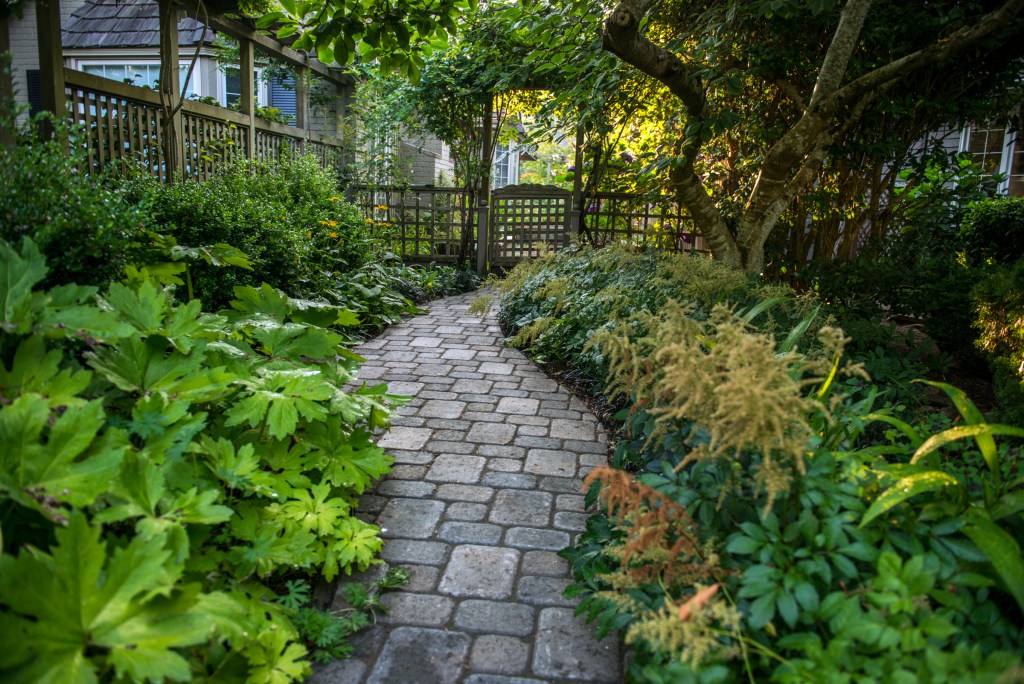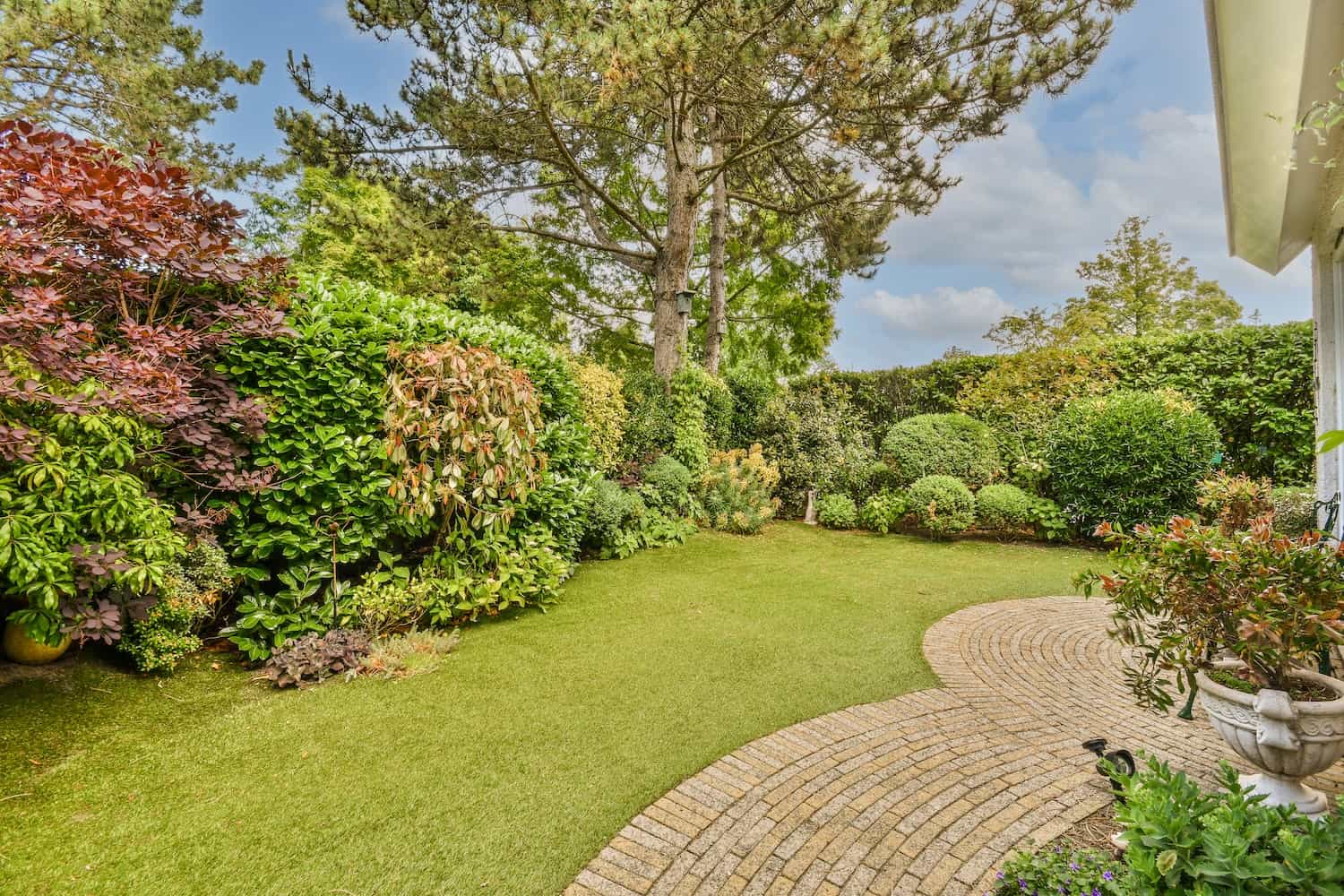

Healthy yards and gardens don’t start with plants—they start with the soil. Soil is more than “dirt.” It’s a living system that supplies nutrients, holds water, supports roots, and houses billions of microorganisms. Understanding the basics of soil science can help Seattle homeowners make better landscaping decisions and avoid problems down the road.
Why Soil Matters
Soil determines how well your plants grow, how much water your yard retains, and whether weeds take over. Healthy soil means healthier plants, less need for fertilizers, and stronger resistance to pests and diseases. Poor soil, on the other hand, often leads to stunted plants, patchy lawns, and wasted time and money.
The Makeup of Soil
Soil is made up of four main ingredients:
- Minerals: sand, silt, and clay particles that give soil its texture.
- Organic matter: decomposed plants, roots, and compost that feed soil life.
- Water: held in pores between soil particles for plants to use.
- Air: oxygen for roots and soil organisms.
The balance of these ingredients determines whether soil drains quickly (sandy), holds too much water (clay), or has the ideal mix (loamy).
Soil in the Seattle Area
Seattle soils vary a lot because of our glacial history, hills, and development. Some homeowners deal with heavy clay that holds water and compacts easily. Others have sandy or rocky soils that drain too fast.
- Clay soils: common in low-lying areas; hold water but can suffocate roots if compacted.
- Sandy soils: often found in upland areas; drain quickly but may lack nutrients.
- Urban fill soils: common in developed neighborhoods; can be a mix of construction debris, subsoil, and imported topsoil.
Knowing what type you have is the first step to improving it.
Keys to Healthy Soil
- Soil Structure
Good soil has crumbly “aggregates” that allow water, roots, and air to move freely. Heavy foot traffic, machinery, or overwatering can break this structure down. - Soil pH
Soil acidity affects nutrient availability. Most Seattle soils tend toward acidic, which is good for native plants but may require lime if you want a healthy lawn. - Soil Life
Worms, fungi, and microbes are essential for nutrient cycling and plant health. Chemical overuse or salt/vinegar treatments harm these organisms. - Organic Matter
Adding compost, mulch, or cover crops keeps soil fertile, improves water retention, and feeds soil life.
Testing Your Soil
A soil test is the best way to understand your soil’s condition. It can tell you:
- pH level (acidic vs. alkaline)
- Nutrient levels (nitrogen, phosphorus, potassium, etc.)
- Organic matter content
Local testing services and garden centers can provide this for homeowners.
Tips for Homeowners
- Use mulch to protect soil, keep moisture in, and suppress weeds.
- Avoid walking on wet soil to prevent compaction.
- Water deeply but less often to encourage deep roots.
- Add compost regularly to maintain organic matter.
- Choose plants suited to your soil type—don’t fight nature if you don’t have to.
Conclusion
Healthy soil is the foundation of every successful landscape. By learning the basics of soil science and taking small steps to protect and improve your soil, you’ll create a stronger, more resilient yard that looks better and requires less maintenance.
Your soil is alive—treat it well, and it will reward you for years to come.