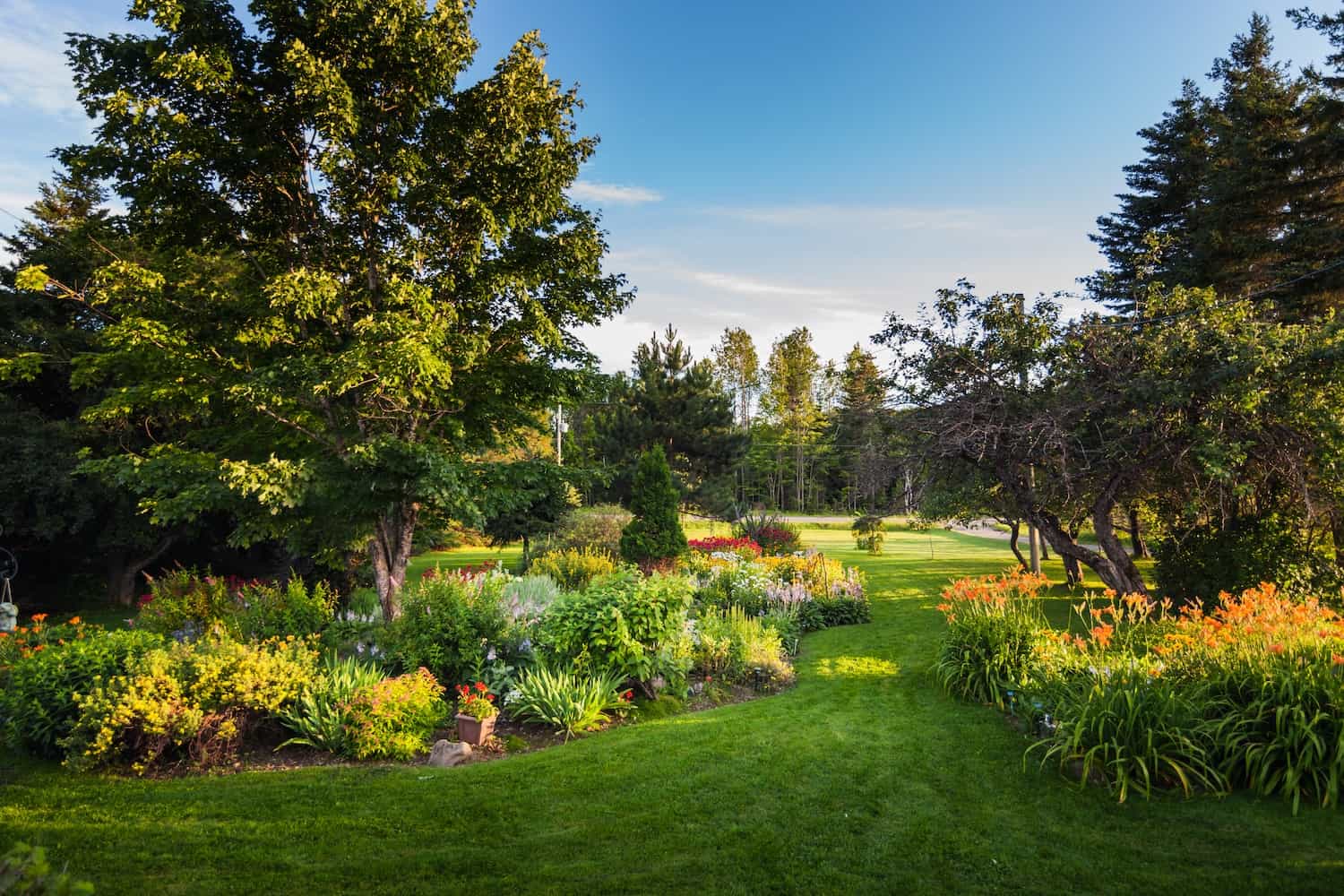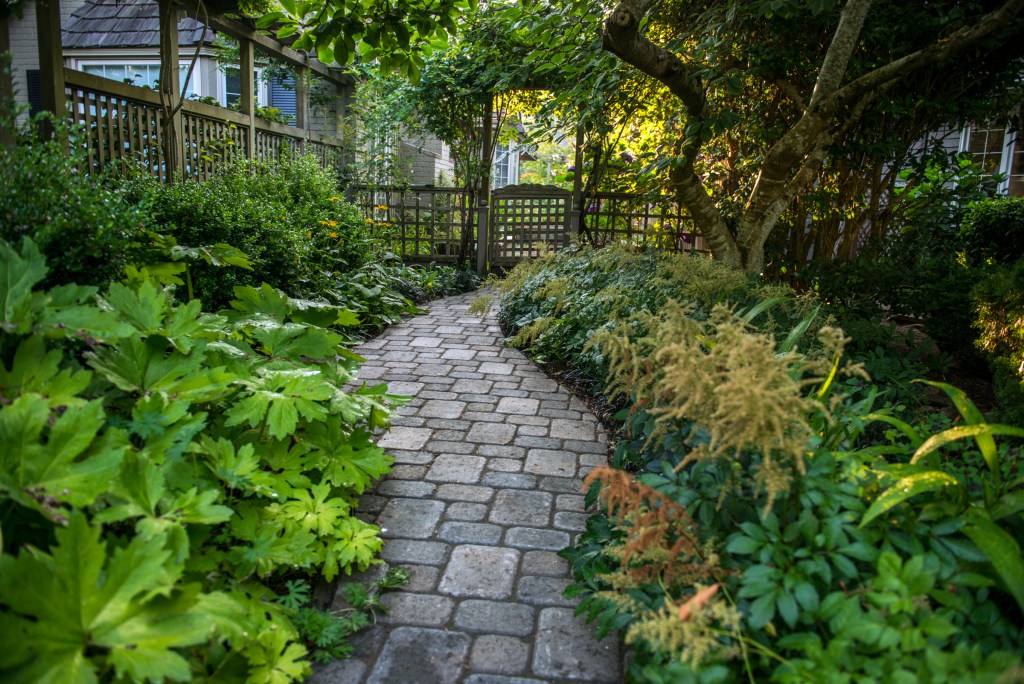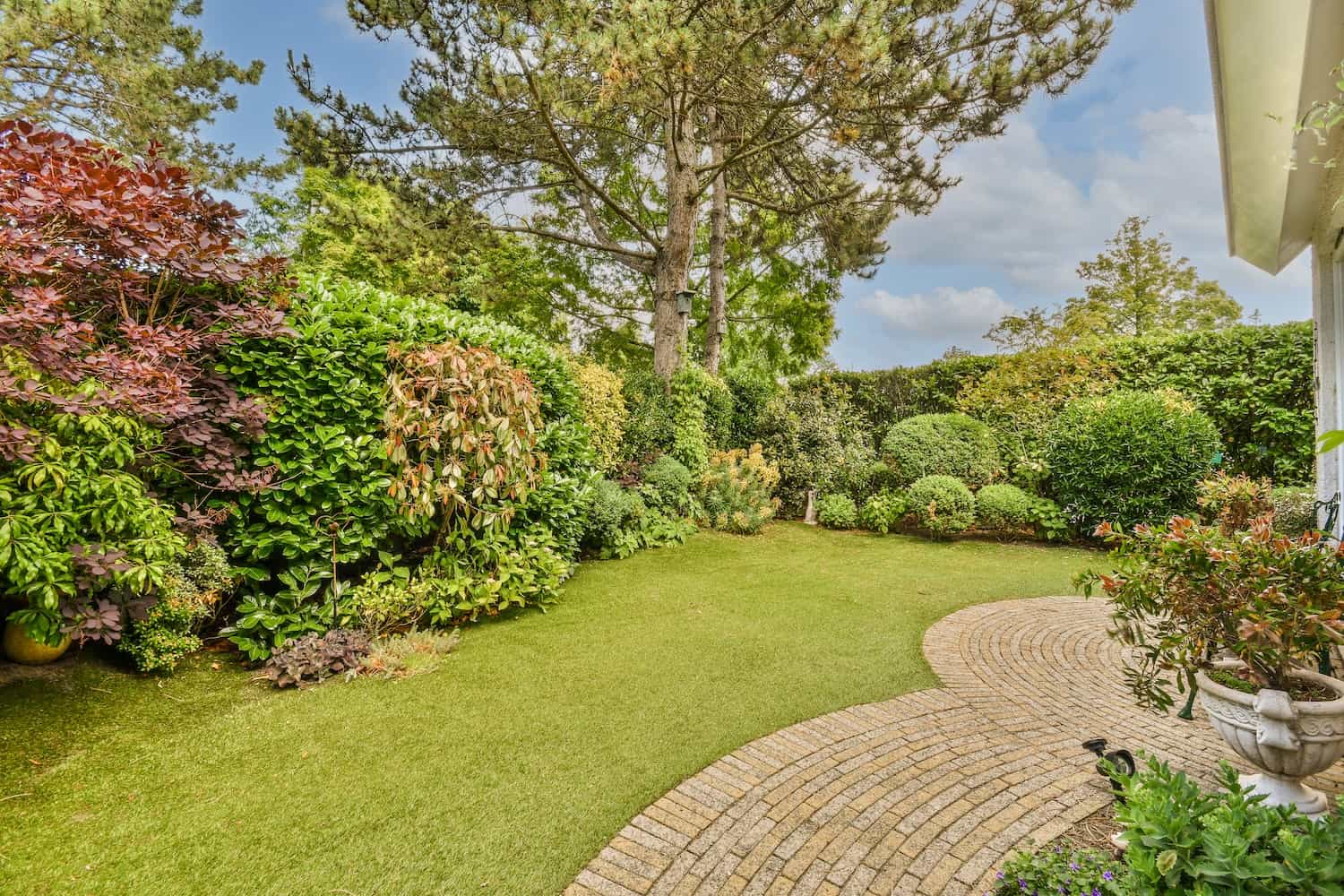

In Seattle, gardens and backyards don’t just attract plants and pollinators—they also attract animals. Some are welcome visitors, like songbirds and squirrels. Others, such as rats, raccoons, or deer, can cause damage to lawns, gardens, and even homes. Learning the basics of vertebrate pest management helps homeowners protect their landscapes while respecting the wildlife that shares our city.
Common Vertebrate Pests in Seattle
Rats and Mice
- Norway rats and roof rats are the most common.
- They chew wiring, burrow in gardens, and contaminate food.
- Often attracted to compost bins, bird seed, and pet food left outdoors.
Raccoons
- Known for digging up lawns to hunt grubs and crane fly larvae.
- Can raid garbage cans and damage gardens.
- Sometimes use attics, chimneys, or sheds as dens.
Moles
- Create tunnels and mounds in lawns.
- Feed on grubs and worms (don’t eat plants directly).
- Usually a cosmetic issue but can frustrate homeowners.
Deer
- Increasingly common in suburban areas near greenbelts.
- Browse on shrubs, fruit trees, and garden plants.
- Can damage young trees and ornamental plantings.
Coyotes
- Adapted well to urban Seattle.
- May prey on outdoor cats and small pets, but rarely a threat to people.
- Attracted by unsecured garbage, compost, and pet food.
Prevention First: Reducing Attractants
- Secure food sources: Don’t leave pet food or bird seed outside overnight. Use rodent-proof compost bins.
- Seal entry points: Block gaps into sheds, crawl spaces, and attics.
- Manage garbage: Use tight-fitting lids and secure bins to prevent raccoon or rat access.
- Protect gardens: Fencing and netting are effective against deer and rabbits.
- Maintain lawns: Reduce grub populations (a raccoon’s favorite food) with proper lawn care.
Safe Control Methods
- Trapping (for rodents): Snap traps are more effective and humane than glue traps. Always place them where pets and children can’t access.
- Exclusion: Hardware cloth around raised beds or tree guards to protect young plants from gnawing.
- Deterrents: Motion-activated sprinklers, lights, or sound devices can discourage raccoons and deer.
- Professional help: For serious infestations (rats in walls, raccoon dens in attics), contact licensed wildlife control or pest management professionals.
Seattle-Specific Considerations
- Rodent activity peaks in fall and winter when food outside is scarce.
- Raccoons and coyotes are part of the urban ecosystem; relocation is not legal in Washington. Focus is on prevention, not removal.
- Deer browsing is a growing issue in neighborhoods near forest edges like Bellevue, Issaquah, and North Seattle. Deer-resistant plants and fencing are the best long-term solutions.
Living with Wildlife Responsibly
It’s important to remember that these animals are part of the broader ecosystem. The goal of vertebrate pest management isn’t to eliminate them but to reduce conflicts. By making your yard less attractive, protecting vulnerable plants, and using humane deterrents, you can keep your garden thriving while respecting the wildlife around you.
Conclusion
Seattle’s mix of forests, water, and urban development makes vertebrate pests a reality for many homeowners. With simple steps—securing food sources, using barriers, and making thoughtful plant choices—you can minimize damage while keeping your yard healthy.
The best defense is prevention, and with the right strategies, your garden can be a place for plants and people to flourish—without being overrun by uninvited animal guests.