
If you’ve spent any time in your garden, you’ve probably noticed it’s never just about plants. Insects are everywhere—flying, crawling, pollinating, chewing, or simply living quietly under the soil surface. This study of insects is called entomology, and for homeowners, it’s the key to knowing which garden “bugs” are friends, which are foes, and how to live with both.
Why Entomology Matters in the Garden
Insects are the most diverse group of animals on the planet, and they play essential roles in our landscapes:
- Pollinators help fruit trees, vegetables, and flowers reproduce.
- Predators keep pest populations in check.
- Decomposers recycle organic matter into healthy soil.
- Pests can damage plants, lawns, or even structures if left unchecked.
Knowing which insect you’re dealing with makes all the difference between reaching for chemicals unnecessarily or encouraging a natural balance.
Common Insect Groups in Seattle Yards
Pollinators
- Bees: Native bumblebees and mason bees are crucial for fruit trees and flowers.
- Butterflies and moths: Help with pollination while adding beauty to the yard.
- Hoverflies: Often mistaken for bees, but harmless and excellent pollinators.
Predators (the “good guys”)
- Lady beetles (ladybugs): Eat aphids and soft-bodied pests.
- Ground beetles: Hunt slugs, snails, and caterpillars at night.
- Lacewings: Their larvae are nicknamed “aphid lions” for a reason.
Pests (the “troublemakers”)
- Aphids: Sap-sucking insects that distort new plant growth.
- European crane flies: Larvae chew on grass roots, damaging lawns.
- Spotted wing drosophila: A fruit fly that infests ripening berries and cherries.
Decomposers
- Beetles, ants, and springtails: Break down organic matter.
- Worms (not insects, but important): Enrich soil structure and fertility.
Encouraging the Good, Managing the Bad
- Plant for diversity: Native flowers attract pollinators and predator insects.
- Avoid broad-spectrum pesticides: They kill beneficial insects along with pests.
- Provide habitat: A mix of shrubs, groundcovers, and mulch gives insects shelter.
- Act early: Handpick pests or use targeted methods before infestations get out of control.
Seattle’s Special Insect Concerns
- Mason bees are a Pacific Northwest favorite—many homeowners now keep them in small bee houses.
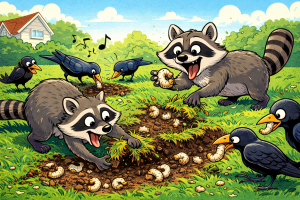
- European chafer beetles (recently spreading in Seattle lawns) can cause turf damage when raccoons and crows dig for their grubs.
- Yellowjackets can be aggressive in late summer but also play a role in controlling other insects.
Conclusion
Insects are not just “bugs in the garden”—they’re part of a bigger system that keeps plants, soil, and wildlife in balance. By learning a little entomology, Seattle homeowners can spot the difference between helpful pollinators, natural pest controllers, and invasive troublemakers.
The next time you see movement in your yard, take a closer look. Chances are, those tiny creatures are telling you something important about the health of your landscape.