Google & Yelp’s top landscaping & hardscaping contractor with 500+ reviews.
Clumping vs. Spreading Bamboo: What Seattle Homeowners Need to Know
Learn the difference between clumping and spreading bamboo, and how Lee’s General Landscaping can help Seattle homeowners manage or remove it.
Clumping vs. Spreading Bamboo: What Seattle Homeowners Need to Know
If you’re a Seattle homeowner dealing with bamboo—or thinking of planting some—it’s critical to know the difference between clumping vs. spreading bamboo. While bamboo can be beautiful and create a serene, private atmosphere, it can also become a costly landscaping headache if left unmanaged. Let’s walk through the key differences, common issues in our Seattle yards, and how Lee’s General Landscaping can help you tackle bamboo the right way.
Identifying the Problem in Seattle
Seattle’s moist climate and mild winters create a perfect environment for bamboo to thrive—and sometimes take over. Spreading bamboo, often called “running bamboo,” grows aggressively underground through rhizomes and can quickly invade neighboring properties, crack sidewalks, and damage home foundations if not controlled. On the other hand, clumping bamboo grows in tight clusters and is easier to contain—but even that can get out of hand without proper care.
We often see homeowners surprised by how fast bamboo spreads, especially in older homes or rentals where it’s been ignored. Some even face city fines or neighbor disputes due to overgrowth. Invasive bamboo is more than just a plant—it’s a legal and property value issue if not addressed properly.
Why Choose Lee’s General Landscaping?
Here at Lee’s General Landscaping, we’ve seen bamboo in every stage—from brand-new growth to full-on jungle. Whether you’re trying to remove invasive running bamboo or maintain a decorative clumping variety, our process is thorough and tailored to Seattle’s terrain.
- On-Site Inspection – Mr. Lee and our crew start by assessing the site and determining what type of bamboo you’re dealing with.
- Defined Scope of Work – We clearly outline what needs to be done: containment, partial removal, or full extraction.
- Site Prep – We protect surrounding plants, hardscapes, and structures before we dig.
- Commercial-Grade Equipment – Our tools cut through even the thickest rhizomes for effective root removal.
- Thorough Clean-Up – We leave your yard neat, safe, and ready for new growth—or nothing at all if you want it gone for good.
We’re known for being straight shooters. If bamboo’s too far gone, we’ll tell you honestly and offer the best fix—even if it’s more than a weekend job.
Key Benefits of Our Bamboo Management Services
Hiring a pro means you save time, avoid property damage, and don’t have to worry about bamboo returning in six months. Our service:
- Stops invasive growth at the root
- Protects your home, fences, and landscape investments
- Improves your curb appeal and resale value
- Reduces maintenance headaches down the road
Plus, we can install root barriers or landscape alternatives that prevent future regrowth.
Our Proven Best Practices
We don’t just yank bamboo out. We use eco-conscious practices, including root barrier installation, composting safe biomass, and replanting with native species when appropriate. We always recommend a follow-up maintenance schedule and optional landscape upgrades to make the most of your space once the bamboo’s gone.
Track Record & Guarantee
With over 500 glowing reviews and decades serving the Seattle area, we take pride in delivering results that speak for themselves. Our work is backed by a 100% satisfaction guarantee—we don’t leave until the job is done right.
Next Steps & Call-to-Action
Got bamboo that’s out of control? Thinking of planting but not sure what kind to get? Let’s take a look and talk it through. Call us today at 206-312-2445 or email lees.g.landscaping@gmail.com to book your free on-site consultation.
📆 Hours: Monday–Sunday, 9AM–6PM
🌱 Let’s reclaim your yard and restore your peace of mind.
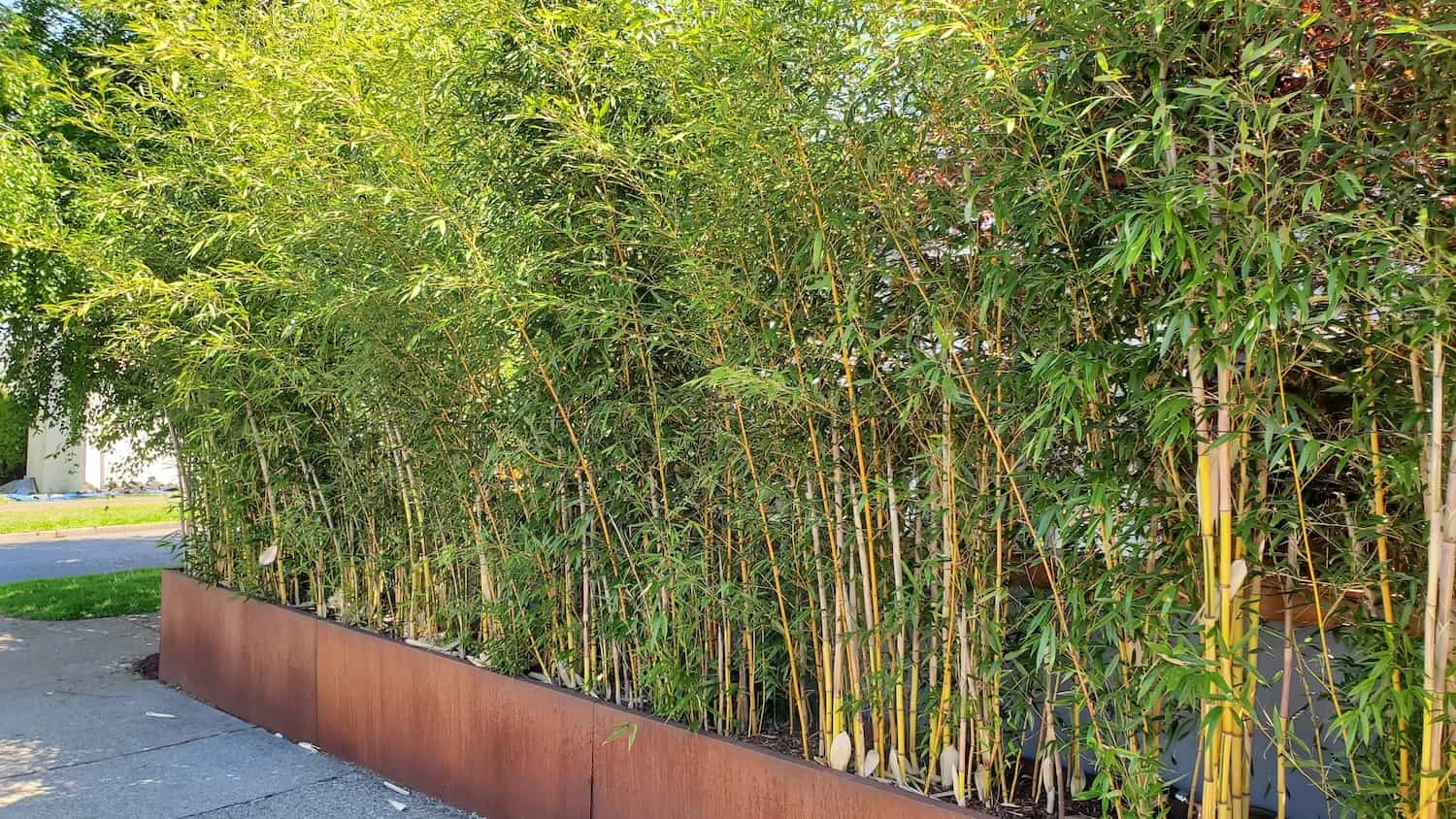
Clumping vs. spreading bamboo: Know the difference before planting or removing.